
Picking a new colour for your home’s outside is a big deal. It’s more than just slapping on some paint; it’s about the first impression your place makes and something you’ll live with for ages. The right shade can totally change how your home feels, making it look better from the street and making you even prouder of it. But with so many choices, how do you even start? Let’s chat about how to find that perfect exterior colour.
Understanding Colour Psychology Outdoors
Colours really affect our mood, and that’s just as true for the outside of a house as it is for the inside. When you’re outside, though, colours look different because of the natural light, the sky, and all the greenery around, which can change how they hit you.
Warm shades like soft yellows, creams, and gentle terracottas make a home feel friendly and cheerful. They bring a sunny vibe even on a gloomy day, making your place look welcoming. Then there are cool colours, like slate grey, sage green, and dusky blues, which give off a calm, sophisticated feel. These colours look lovely with nature, helping a home blend right into its surroundings. And you can’t go wrong with classic whites and off-whites; they’re timeless, making a property look crisp, clean, and often bigger than it is.
Matching Home Style to Hues
Your home’s architectural style is a fantastic place to start when picking colours. Some palettes just naturally go with certain eras and designs. For example, a Victorian terrace can totally pull off deep, rich colours like burgundy or forest green for its trim. Meanwhile, a modern, minimalist house might look amazing with a bold black and white scheme.
For a classic country cottage, soft pastels or earthy tones that match the garden are always a winner. If you live in a 1930s semi, sticking to its roots with a classic cream or white on the rendered bits above the brickwork always looks smart. Need some ideas? There are tons of galleries showing beautiful exterior house colours that can help you picture what might work for your place.
Durable Finishes for Every Surface
The perfect colour is only half the battle; you also need the right kind of paint to make sure it lasts. Your home’s exterior is always battling the elements, from pouring rain to harsh sun, so it needs to be tough. Plus, different surfaces need specific paint types. Wooden window frames and doors need a flexible paint that can handle them expanding and shrinking, while metal railings need something that stops rust.
For brickwork or rendered walls, the paint needs to protect but also let the walls breathe. A good quality product like Sandtex masonry paint is made to create a barrier against the weather while letting moisture out of the walls. This helps avoid damp problems and keeps your paint job looking fresh for longer.
Testing Colours Before Committing
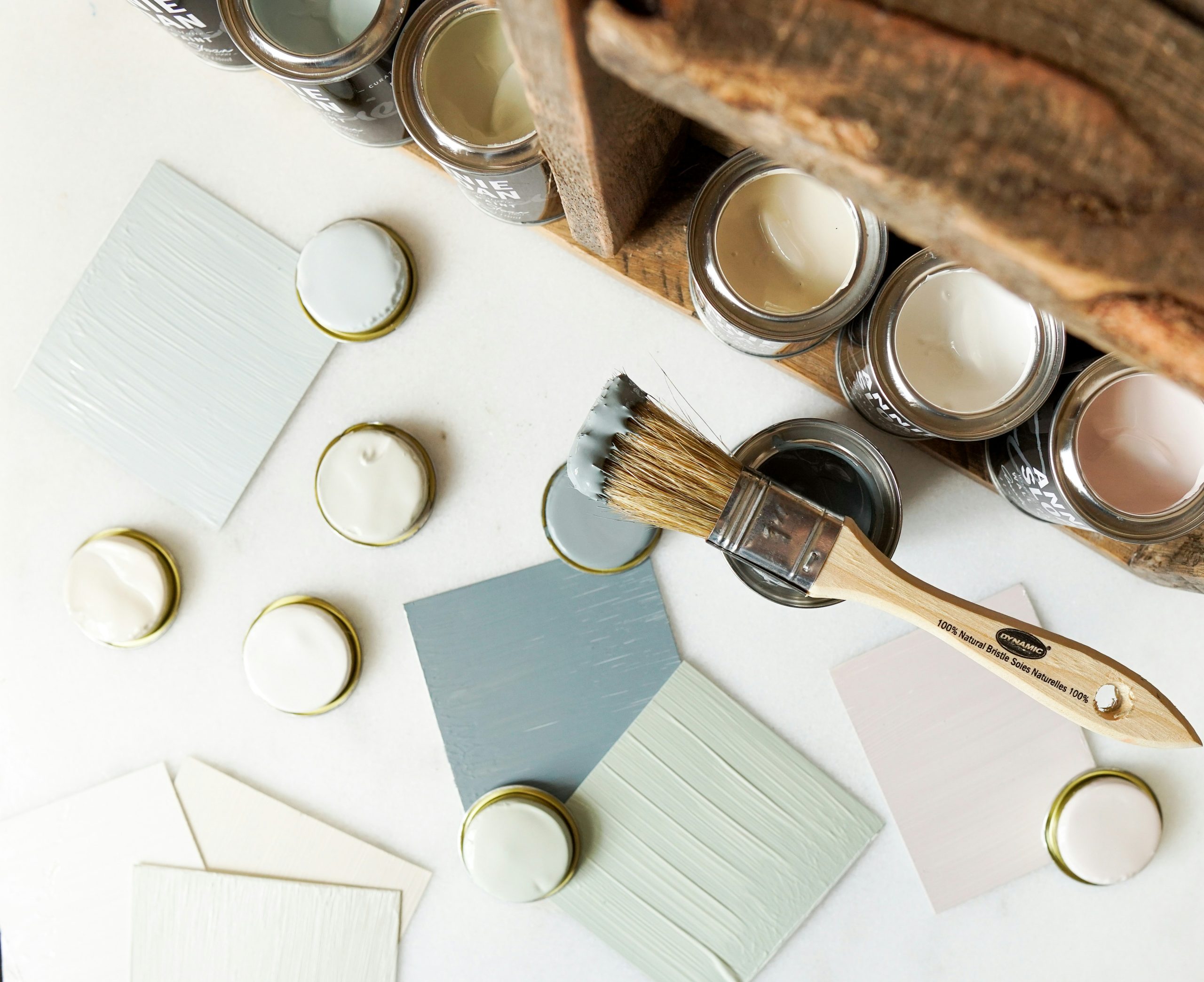
One of the biggest mistakes you can make is picking a colour from a tiny little swatch in a shop. How a colour looks on a card under indoor lights is totally different from how it will look on a big wall outside your house. That’s why tester pots are your best friend.
Don’t just dab a tiny bit on the wall. Paint big sample patches, at least the size of an A4 paper, in a few different spots. Try one on a wall that gets lots of sun and another on a wall that’s usually in the shade. Then, watch them throughout the day. A colour might look perfect in the soft morning light but feel too bright in the harsh afternoon sun. Taking the time to check your feelings on exterior paint colour in different conditions will save you from expensive regrets.
Seasonal Considerations for Paint
Finally, getting the timing right for your project is important for a professional and long-lasting finish. The best conditions for painting outside are several dry, mild days in a row. Spring and autumn are usually the sweet spots for this kind of work in the UK.
Painting when it’s cold and damp in winter can be a disaster, as the paint will take ages to dry and might not stick properly. On the flip side, painting in the middle of a heatwave can make the paint dry too fast, leading to brush strokes you can see and an uneven finish. A gentle, overcast day with not much wind is perfect for getting a smooth, durable result.
Choosing a new colour for your home should be fun! With a little planning and testing, you can pick a shade that not only protects your property but also shows off your personal style for many years to come.
