
Lighting Trends for 2027 – Let’s talk about lighting, because I honestly think it’s one of the most underrated parts of decorating a home.
You can have the most beautiful sofa, the perfect paint colour and all the Pinterest-worthy accessories in the world, but get the lighting wrong and the whole room can feel a little flat. Get it right, though, and suddenly everything looks warmer, more inviting and just that little bit more expensive.
And no, you don’t need a designer on speed dial or a huge renovation budget to make it happen.

As we look ahead to 2027, lighting is becoming about so much more than choosing a nice pendant for the ceiling. We’re seeing sculptural designs, interesting materials, softer light, vintage-inspired details and a growing appreciation for lamps that make a room feel as good as it looks.
Think boutique hotel meets beautifully lived-in home, with a little bit of personality thrown in for good measure.
Whether you’re planning a living room makeover, updating a tired bedroom or simply wondering why your home never feels quite as cosy in the evening as you’d like, these are the seven lighting trends for 2027 I’d have on my radar.
And trust me, one of the easiest changes doesn’t involve replacing your main light at all.

Lighting Trends for 2027
1. Sculptural Lighting That Looks Like a Work of Art
Forget lighting that simply blends into the background. In 2027, the light fitting itself is becoming part of the interior design.
Sculptural lighting is all about choosing pieces that look beautiful even when they’re switched off. Think oversized curves, unusual silhouettes, organic shapes and materials that catch your eye before you’ve even turned the light on.
Imagine a beautifully shaped pendant above a dining table, a sculptural table lamp on a sideboard or an unusual wall light that doubles as a piece of art.
It’s the kind of detail that makes a room feel considered without having to fill it with lots of accessories.
What I particularly love about this trend is that it doesn’t have to mean anything overly dramatic. A softly curved ceramic lamp, a rounded glass shade or a simple sculptural floor lamp can make just as much of an impact as a huge designer statement piece.
How to bring sculptural lighting into your home
Start with one area that feels a little unfinished. Perhaps it’s the corner of your living room, the space beside your bed or the dining table that never quite feels like the focal point it should be.
Choose a lamp or pendant with an interesting shape and let it do the talking.
If your furniture is fairly simple, this is a wonderful opportunity to introduce something with more personality. A sculptural lamp looks particularly lovely against a warm neutral wall, rich wood furniture or a deeper, moodier colour.
And don’t feel you need to match every light fitting in the room. In fact, a little variation can make your home feel much more individual.
My advice? Buy the lamp because you love its shape, not just because it’s currently trending. It’s a piece you’ll see every day, so it should make you happy.
2. Layered Lighting Is Replacing the One Big Light
If there’s one lighting change that can genuinely transform the way your home feels, this is it.
We’ve all walked into a room, flicked on the main ceiling light and immediately felt that something wasn’t quite right. Everything is illuminated, but the room feels stark, flat and somehow less cosy than it did a moment ago.
The answer isn’t necessarily a new light fitting. It’s learning to use several different sources of light together.
Layered lighting combines ambient lighting, task lighting and accent lighting to create a room that feels balanced and works for different activities throughout the day.
Ambient lighting provides general illumination. Task lighting helps you read, cook or work. Accent lighting highlights details such as artwork, shelves or architectural features.
Put them together, and you have far more control over the atmosphere of your home.
How to make layered lighting work
In a living room, you might combine a ceiling pendant with a table lamp beside the sofa, a floor lamp in a reading corner and a small accent light on a console table.
In the bedroom, bedside lamps can create a softer evening atmosphere, while discreet task lighting helps with reading.
In the kitchen, combine general lighting with focused illumination over worktops and decorative pendants above an island or dining area.
The secret is to create different pools of light at different heights rather than relying on a single bright source in the middle of the ceiling.
You don’t need to buy everything at once, either. Start by adding one or two lamps to the room where you spend the most time in the evening.
You’ll be surprised how much difference it can make.
And here’s my favourite part: layered lighting can make even fairly affordable furniture and accessories feel more considered because the light creates depth, highlights textures and makes the room feel more welcoming.
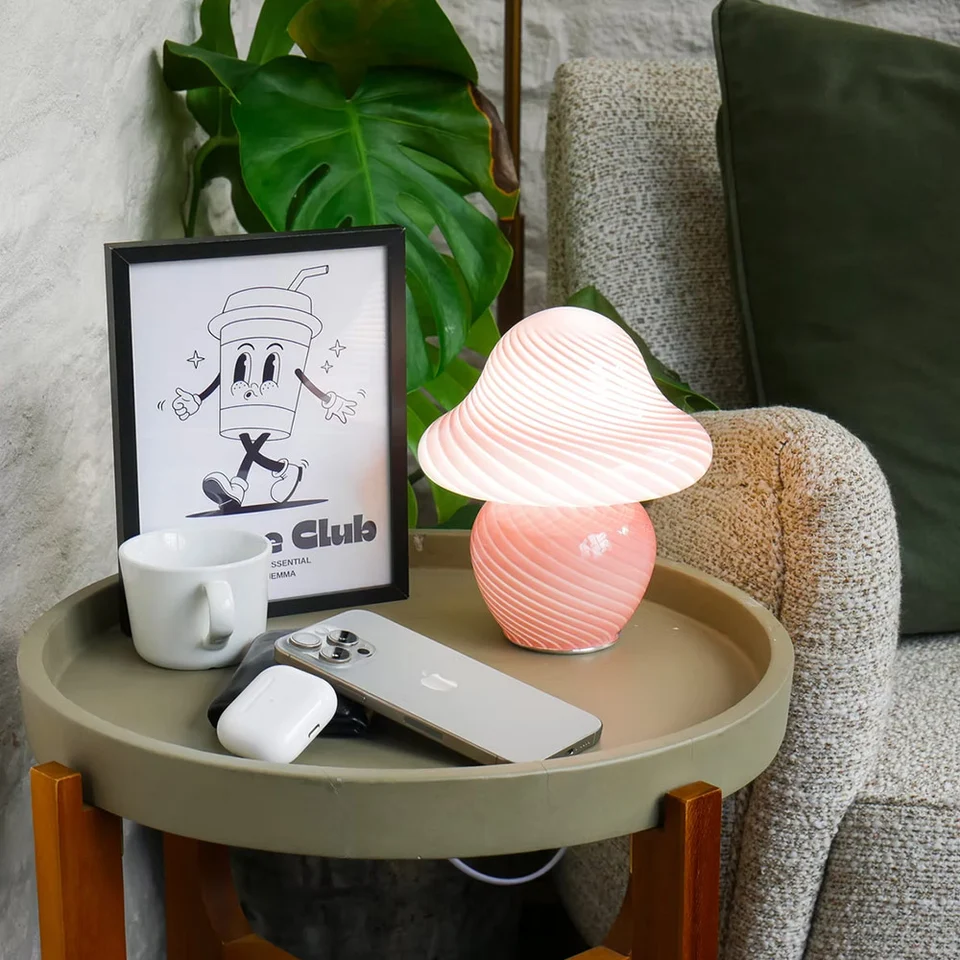
3. Warm, Cosy Lighting Is Here to Stay
There’s something lovely about walking into a room in the evening and being greeted by a soft, warm glow rather than a blast of cold, bright light.
And as homes continue to become spaces for relaxing, entertaining and switching off, lighting that creates a sense of comfort is an easy design choice to get right.
For 2027, warm ambient lighting is well worth embracing, particularly in living rooms, bedrooms and dining spaces where atmosphere matters just as much as practicality.
Think soft pools of light, fabric shades, warm-toned bulbs and gentle illumination that makes a room feel inviting after dark.
This doesn’t mean every room needs to be dim or candlelit. You still need good visibility for everyday tasks. The idea is to choose lighting that suits what you’re doing and how you want the space to feel.
Which light bulb colour should you choose?
Light colour is measured in Kelvin. As a general guide, bulbs around 2700K tend to create a warm, cosy glow, while bulbs around 3000K offer a slightly less amber warmth that can work well in kitchens and other multifunctional spaces.
Higher colour temperatures produce a cooler appearance, which may be useful for particular tasks but can feel less cosy in a room designed for relaxing.
The right choice depends on your space, finishes and personal preference.
If your living room feels cold despite having warm paint colours and soft furnishings, check the bulbs before changing anything else.
A warmer bulb, a fabric lampshade and a couple of strategically placed lamps might be all you need.
For a particularly inviting look, combine warm lighting with natural wood, textured cushions, linen curtains and soft neutral colours.
It’s a simple way to create that relaxed, expensive-looking atmosphere without making the room feel like a showroom.

4. Vintage-Inspired Glass and Coloured Lamps Are Having a Moment
If you’ve been saving interiors images featuring amber glass, softly coloured shades and beautiful vintage-inspired lamps, this trend is for you.
Lighting is becoming a lovely way to introduce colour and character into a room without committing to painting an entire wall or buying a new piece of furniture.
Think amber glass, smoky tones, opaline shades, jewel-inspired colours and glass designs that look almost as beautiful as decorative objects.
These finishes can add warmth and depth to an otherwise simple interior, particularly when combined with natural materials and a thoughtful colour palette.
A coloured glass lamp on a bedside table or console can become a focal point without dominating the room.
How to style coloured lighting
If your home is mostly neutral, consider an amber or smoky-glass lamp to introduce a little warmth.
For a richer look, try deep green, burgundy or blue in a room with warm wood, cream walls or darker furniture.
You can also use vintage-inspired lighting to complement a more traditional interior. A decorative glass wall light or an elegant table lamp can sit beautifully alongside antique furniture, patterned fabrics and artwork.
The trick is not to overthink it. You don’t need every accessory to match perfectly.
In fact, mixing old and new is often what makes a room feel personal. A vintage-style lamp on a contemporary side table can look much more interesting than a perfectly coordinated set.
And if you’re working with a smaller budget, changing the lampshade or introducing a coloured glass lamp can be an easy way to experiment without replacing your existing lighting.
One important thing to remember: a coloured shade can affect the appearance of the light it produces. Check how the lamp looks when illuminated, not just how it looks in a product photograph.
5. Oversized Pendant Lights Are Making a Statement
Sometimes, bigger really is better.
Oversized pendant lights are a brilliant way to give a room a focal point, particularly when the rest of the interior is fairly understated.
Instead of choosing a small, forgettable ceiling fitting, think about a pendant that feels deliberately substantial. It might have an oversized fabric shade, a dramatic sculptural shape or an interesting combination of glass and metal.
The effect can be particularly beautiful above a dining table, in a living room with high ceilings or in a bedroom where you want the lighting to feel like part of the overall design.
It’s a look that feels confident, but it doesn’t have to be flashy.
Where should you use an oversized pendant?
A dining table is one of the easiest places to make this trend work. A statement pendant helps define the dining area and creates a natural gathering point.
In a living room, a larger pendant can add interest overhead, especially if the furniture and colour scheme are relatively simple.
Bedrooms can benefit from oversized shades too, although you need to consider ceiling height and the way the light sits in relation to the bed.
Scale is important here. A pendant that looks beautiful in a large showroom might overwhelm a smaller room, while a fitting that’s too small can disappear in a generous space.
Before buying, consider the dimensions of the room, the ceiling height, the size of the furniture beneath the fitting and how much light you actually need.
Also check the manufacturer’s installation guidance and have electrical work carried out by a suitably qualified professional where required.
If you want a statement look without an overly dramatic finish, choose a generous fabric or opal-glass shade in a soft, neutral colour.
It’s a lovely way to make the room feel finished without introducing too many competing details.

6. Natural Materials and Handmade Details Bring Warmth
One of the things I love most about interiors is how a change in texture can completely alter the feel of a room.
And lighting is a wonderful way to introduce those tactile details.
For 2027, natural-looking materials and handmade-inspired finishes are worth considering if you want your home to feel a little less polished and a little more personal.
Think ceramic bases, linen shades, textured glass, timber details, woven materials and metal finishes with a softer, aged appearance.
Rather than everything looking perfectly smooth and identical, these designs celebrate subtle variations in texture and shape.
They’re particularly appealing if you love interiors that feel relaxed, layered and connected to natural materials.
How to bring natural lighting into your home
A ceramic table lamp can look beautiful on a wooden sideboard, while a linen shade can soften the light beside a bed.
In the living room, try combining natural textures with warm wood furniture, wool rugs and earthy colours such as olive, terracotta, sand and cream.
For a more contemporary look, choose a simple sculptural lamp with a tactile finish and keep the surrounding accessories minimal.
You can also introduce natural materials through smaller details. A wooden lamp base or a textured ceramic shade can add warmth without becoming the main feature of the room.
The key is to think about how the materials work together. If your room already contains lots of wood and woven textures, a glass or metal lamp might provide a welcome contrast.
If the space feels a little cold, a fabric shade or ceramic base can soften it.
And don’t worry about making everything match. Mixing materials is often what gives a room its character.

7. Smart and Adjustable Lighting Makes Homes More Flexible
Not every lighting trend is about how a lamp looks. Some of the most useful changes are happening behind the scenes.
Smart lighting and adjustable lighting systems are making it easier to change the atmosphere of a room throughout the day, whether you’re working from home, cooking dinner or settling down for the evening.
The appeal is simple: your lighting can adapt to the way you use your home.
Instead of having one fixed setting, you can create different lighting scenes for different moments.
A brighter setting might work well when you’re cleaning or concentrating, while a softer, warmer scene can help create a more relaxed atmosphere in the evening.
Depending on the system, you may be able to adjust brightness, colour temperature and, with compatible products, colour itself.
How to introduce smart lighting without overcomplicating things
You don’t need a completely automated home to enjoy the benefits.
Start with a compatible smart bulb in a table lamp or a smart plug for a suitable lamp that you want to control more easily.
You could create a reading setting for your living room, a softer evening setting for your bedroom or a practical brighter setting for your kitchen.
Dimmable lighting is another useful option, particularly in rooms that serve several purposes.
For example, a dining room might need brighter illumination for homework or crafts but a softer atmosphere for dinner with friends.
The important thing is to choose products that work together and are suitable for your existing fittings and electrical installation.
Check compatibility, dimming requirements and manufacturer instructions before purchasing. Not every bulb works with every dimmer, and some smart systems require a hub or a compatible wireless connection.
I also wouldn’t feel pressured to make every light in your home smart. A few well-chosen controls can be more useful than a complicated system you’ll never bother using.
The aim is to make your home more comfortable and flexible, not to give yourself another gadget to manage.

How to Make Your Home Look More Expensive with Lighting
You don’t need to replace every light fitting to give your home a more considered look.
Often, the biggest difference comes from thinking about where the light falls, how it feels in the evening and whether each room has enough variety.
Here are a few simple changes worth trying.
Add lamps at different heights. A table lamp, a floor lamp and a ceiling light create more depth than a single central fitting.
Choose your bulbs carefully. The colour temperature can change the entire atmosphere of a room. Check that your bulbs suit the purpose of the space.
Use lighting to highlight your favourite details. A carefully positioned lamp or suitable picture light can draw attention to artwork, shelving or architectural features.
Don’t overlook the lampshade. Changing a shade can refresh an existing lamp and alter the way light spreads around the room.
Think about the whole room. Lighting should work with your wall colours, furniture, flooring and natural light rather than being chosen in isolation.
Use dimmers where appropriate. Being able to adjust brightness makes a room more versatile, provided the bulbs, controls and fittings are compatible.
Make sure the practical lighting works, too. Beautiful ambient light is wonderful, but kitchens, stairs, bathrooms and work areas still need suitable illumination for safety and everyday tasks.
Lighting Trends for 2027: Frequently Asked Questions
What are the biggest lighting trends for 2027?
Sculptural lamps, layered lighting, warm ambient light, vintage-inspired glass, oversized pendants, natural materials and adjustable smart lighting are all strong directions to consider. The common thread is that lighting is becoming more personal, decorative and adaptable to everyday life.
Is the big light going out of fashion?
The main ceiling light isn’t disappearing, but relying on it as the only source of illumination can make a room feel flat. Combining ceiling lighting with table lamps, floor lamps, wall lights and task lighting gives you more flexibility and creates a more inviting atmosphere.
What lighting makes a home look expensive?
Layered lighting, well-proportioned statement fittings, attractive lampshades and warm, balanced illumination can all make a home feel more considered. You don’t necessarily need expensive designer lighting; thoughtful placement and a mix of light sources can make a significant difference.
Are warm or cool light bulbs better for a living room?
Warm-white bulbs are often a good starting point for living rooms because they create a comfortable atmosphere. Around 2700K is a popular choice, although 3000K can work well depending on the room and your preferences. Adjustable lighting lets you tailor the result to different activities.
How can I update my lighting on a budget?
Start by adding a table lamp or floor lamp, changing a tired lampshade or replacing unsuitable bulbs with a warmer option. You could also reposition existing lamps to highlight darker corners or add a dimmer where the fitting and electrical setup allow it.
What lighting works best in a small living room?
A combination of appropriately sized lamps, wall lights and a suitable ceiling fitting can help create depth without taking up valuable floor space. Wall-mounted lighting is particularly useful where side tables are limited. Choose fittings that suit the room’s proportions and avoid relying on a single bright light source.
Final Thoughts: The Right Lighting Changes Everything
If there’s one thing to take away from the lighting trends for 2027, it’s that you don’t have to spend a fortune to make your home feel different.
A sculptural lamp can become a beautiful focal point. Layered lighting can make a living room feel more inviting. A warm bulb can soften an entire colour scheme, while a vintage-inspired shade can introduce just the right amount of character.
And sometimes, the best change is simply switching off the main light and using the lamps you already own.
My advice? Start with the room you use most in the evening. Think about how you want it to feel, look at where the light falls and make a few small changes before committing to a complete makeover.
Because beautiful lighting isn’t just about what you see. It’s about how your home feels when you walk through the door, settle onto the sofa and finally get a moment to yourself.
And that’s a trend worth holding on to.
Also see Flooring Trends in 2027
