
Keeping laminate flooring looking flawless comes down to six simple habits. You need to stop dirt at the door, use furniture pads, tackle spills instantly, sweep with soft tools, damp mop without soaking the boards, and fix any damage quickly. That is the short answer if you are in a rush. Laminate is a fantastic choice for UK homes because it gives you that beautiful wood effect without the brutal price tag of solid timber. But it does need a bit of specific care to stay pristine.
I think people often assume laminate is indestructible. It is tough but it is not magic. The UK market for this stuff is absolutely massive right now. A lot of that demand comes from residential renovations where people want a hardwearing floor that looks premium without breaking the bank.
You have to treat it with a bit of respect if you want it to last the 15 to 25 years the manufacturers promise.
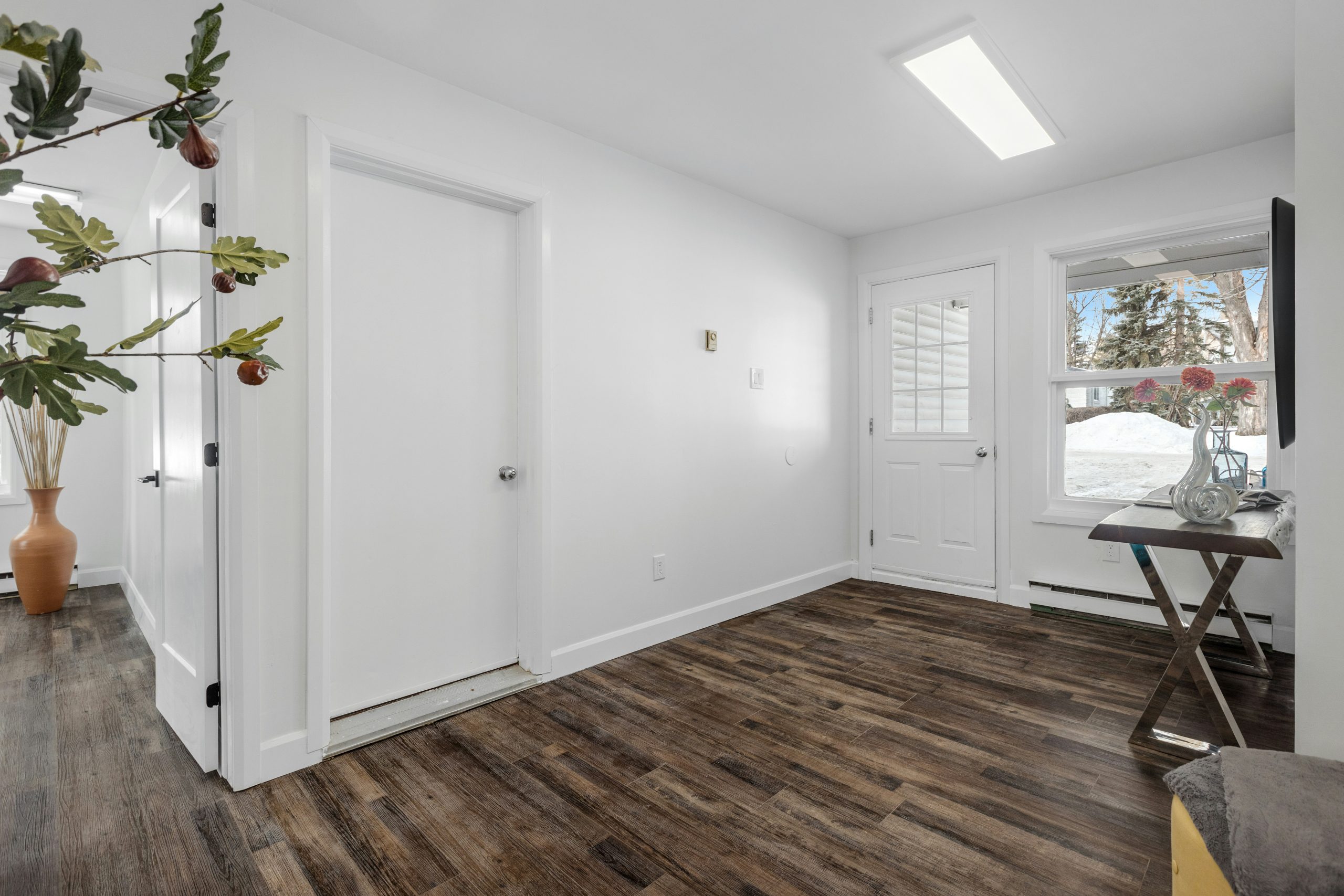
Stop dirt at the door
Grit and sand brought in from outside act literally like sandpaper on the surface of your floor. This causes fine micro-scratches over time that dull the finish and make the planks look cloudy. We get a lot of rain and mud in this country. It is just a fact of life.
Placing high-quality doormats at every single entrance is the absolute easiest way to trap dirt before it makes its way into your living room. A heavy mat catches the worst of the British weather.
It seems so obvious but people always forget this step.
I think we underestimate how much gravel gets stuck in the treads of our shoes. You spend good money on flooring and then let the kids drag half the local park inside. A simple mat saves you years of wear. And maybe ask guests to take their shoes off when they visit. It feels a bit awkward sometimes but they usually don’t mind. I once bought a really expensive pair of trainers and wore them indoors for a week before realising they were covered in tiny stones. My hallway did not thank me for that. High gloss laminate shows those scratches up instantly so prevention is your best bet.
Protect against heavy furniture
Moving chairs and heavy sofas can easily grind dirt into the floor or cause deep gouges. Self-adhesive felt pads under the legs of all your furniture distribute the weight evenly. This allows items to glide smoothly across the surface.
Hardwearing does not mean invincible.
I remember when I moved into my first flat in London a few years back. I dragged a heavy oak dining table across the living room and left a massive scratch right down the middle of the boards. I felt sick. Felt pads cost pennies & they save you absolute heartache. Just stick them on every chair leg and table foot you own. Check them every few months because they do fall off eventually.
Modern sofas are incredibly heavy. When you sit down the furniture shifts slightly. Over time that tiny movement digs into the laminate wear layer. The same goes for moving kitchen appliances. If you need to pull a washing machine out for repairs put a piece of hardboard down first. Dragging heavy white goods across bare planks is asking for trouble.
Tackle spills immediately
Modern laminate is tough but the seams are rarely waterproof. If you spill a cup of tea or notice water splashed around the dog bowls you need to wipe it up straight away with a dry microfibre cloth. Leaving moisture to sit causes the inner core of the boards to swell and buckle.
Once that core swells it never shrinks back down.
You are left with raised edges that catch your socks. Water damage is probably the number one killer of these floors. Manufacturers try to design boards to accomodate minor accidents but standing water will always win in the end. It seeps into the locking mechanism between the planks.
Keep a cloth handy in the kitchen. If you drop an ice cube kick it under the fridge at your own peril. Pick it up and dry the spot. I know it sounds pedantic but moisture is your biggest enemy here. Plant pots are another silent destroyer. People overwater their houseplants and the excess drips onto the floor. Put a proper waterproof tray under every single plant pot in your house.
Sweep with the right tools
Dust and pet hair build up quickly. This dulls the finish of your flooring and makes the whole room look tired. When cleaning use a soft-bristle broom or a vacuum cleaner set specifically to the hard floor mode.
Avoid using stiff bristles or vacuum beater bars. These cause unnecessary abrasion on the wear layer. The wear layer is what gives laminate its long lifespan. If you scratch it up with a heavy duty vacuum attachment you ruin that protective shield.
I often see people using the carpet setting on hard floors. It just beats the dirt into the planks.
A simple soft sweep daily prevents a lot of issues. You can check out places like Good Housekeeping for basic cleaning advice if you want a second opinion. They test a lot of vacuums. But honestly any machine with a soft brush attachment will do the job perfectly well. Changing vacuum heads is annoying. I get it. But dragging a spinning plastic brush across your nice new floor is worse.
Damp mop but never soak
When your floor needs a deeper clean use a well wrung microfibre mop and a gentle pH-neutral cleaner. You should never use a steam mop or pour water directly onto the planks. The excess heat and moisture will penetrate the joints and warp the laminate.
Mopping should be a damp affair.
A soaking wet mop is a disaster waiting to happen. The water seeps into the locking system. Cleaning routines, moisture management, daily dust removal, neutral cleaners. These are the things that keep the floor alive. You introduce these habits and suddenly the floor looks brand new again.
If you suspect your cleaner is leaving a dull residue go over the floor again with a separate clean damp mop using only water. Sometimes less is more with cleaning products. People love to pour half a bottle of floor cleaner into a bucket thinking it will make the room smell nice. It just leaves a sticky film that attracts more dirt. Stick to the recommended dose.
Address damage quickly
Even with the best care routine accidental drops and heavy impacts happen. Someone drops a heavy pan or a tool slips out of your hand. If a board gets chipped or deeply scratched you do not have to replace the entire room.
Booking a professional laminate floor repair can seamlessly restore the damaged area. They blend the colour and texture perfectly with the surrounding planks.
A lot of people assume a chip means the whole floor is ruined. It really doesn’t. Fixing small issues early stops them from becoming bigger problems. A chip can catch moisture and expand. Getting a pro in to fill and colour match the spot is surprisingly cost effective.
I dropped a hammer once while hanging a picture. It took a chunk out of the floor. I ignored it for months and the edges started to peel. I definetely should have got it sorted sooner. Small repairs save you from having to lift up half the room to replace one single board.
Final Thoughts
Looking after your home takes a bit of effort. Laminate is brilliant because it gives you that premium look without demanding constant sanding and oiling like solid wood. You just need to be mindful of water & grit.
I sometimes look at my own floors and wonder if I should have gone for tiles in the hallway. But then winter hits and the laminate feels so much warmer underfoot. It is a trade off I am happy to make.
Stick to the basics. Keep the dirt out. Dry up the spills. Use soft tools.
If you follow these steps your floors will survive kids, pets, and whatever else life throws at them. They might even outlast your mortgage. It just takes a little bit of daily awareness to keep everything looking sharp. Home improvements are expensive enough without having to redo them every five years because you used a steam mop.
