
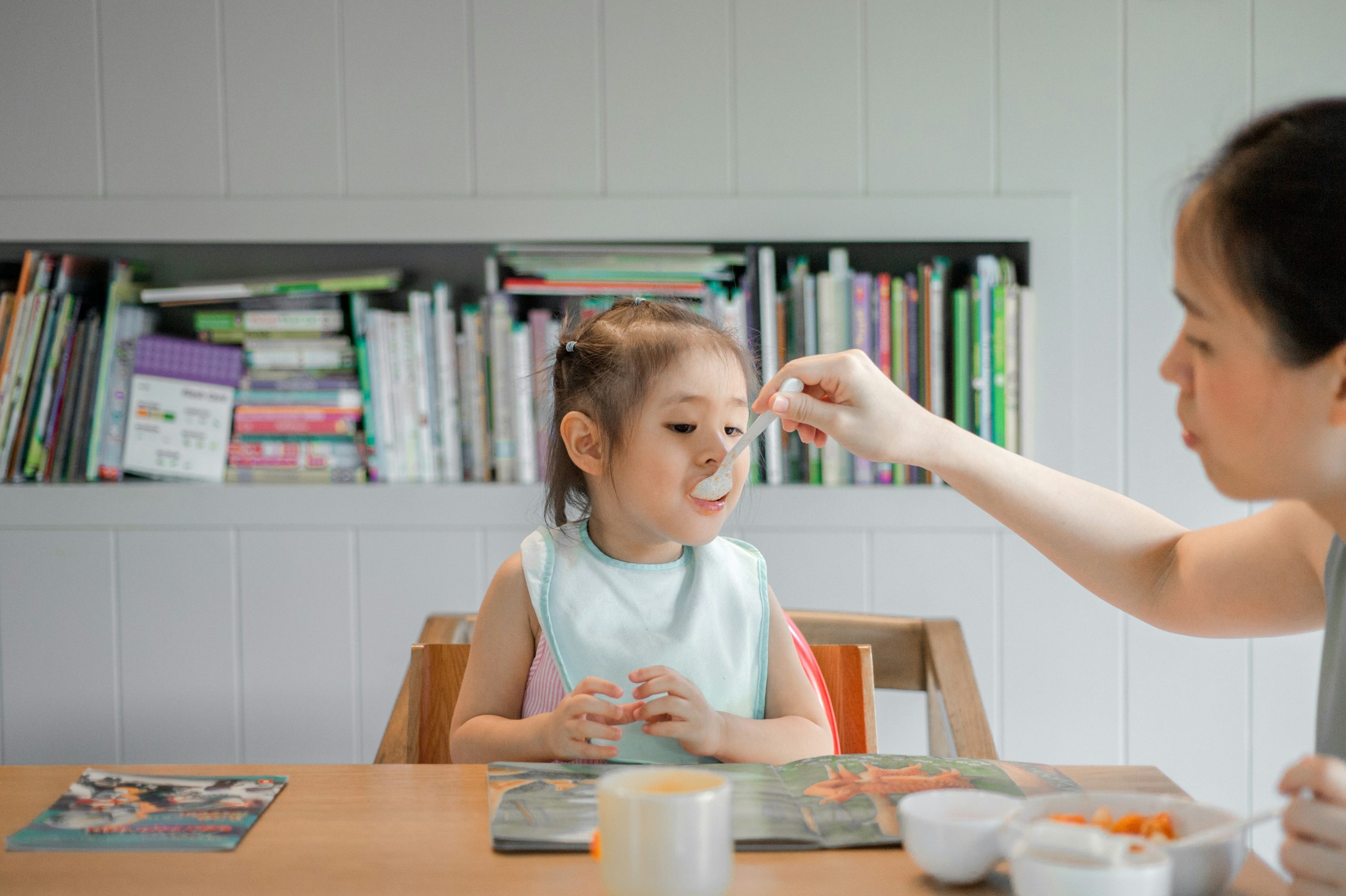
Being a parent means you’re always learning and changing to keep up with your child’s needs. From their physical health to how they feel inside, making a supportive home is super important for them to do well. It can feel like a huge job, but if you focus on a few main things, you can set them up for a happy, growing life.
This guide will walk you through the main parts of your child’s health, giving you practical tips on what they eat, how active they are, how much they sleep, and how to support their feelings.
Nutritional Needs for Growing Bodies
Good food is like the super fuel for your child’s growth, learning, and playtime. Their bodies and brains are growing incredibly fast during these early years, so they really need the right nutrients. We know it can sometimes feel like a fight, especially with a picky eater, but trying to offer lots of different foods consistently can really help.
Aim for a rainbow of fruits and veggies, because different colours often mean different vitamins and minerals. Whole grains give them steady energy, lean proteins help build muscles, and healthy fats are key for brain health. Foods rich in calcium, like milk, yogurt, and cheese, are also super important for strong bones. It’s good to know the specific nutritional needs for their age group to make sure they’re getting everything they need.
Don’t worry if they say no to something new. It can take many tries before a child accepts a new food. A great trick is to get them involved. Let them help pick out vegetables at the store or mix ingredients in a bowl. When kids feel like they have a say in their food, they’re often more willing to try it. Remember that good nutrition supports children’s energy and overall development, so keep at it!
Encouraging Active Play
Moving around is just as important for a child’s growth as eating well. Active play helps them build strong muscles and bones, get better at moving their bodies, and stay at a healthy weight. Besides the physical stuff, it’s also a fantastic way for them to burn off energy, feel less stressed, and learn how to interact with the world around them.
The cool thing about active play is that it doesn’t have to be planned or complicated. For little ones, it can be as simple as crawling around the living room, chasing bubbles in the garden, or having a dance party to their favourite songs. As they get older, things like riding a scooter, kicking a ball in the park, or building a fort are all awesome ways to keep them moving.
Try to make physical activity a normal part of your family’s day. Walk to the shops instead of driving, spend weekends exploring local parks or woods, and encourage playing outside no matter the weather. Cutting down on screen time also naturally opens up more chances for active fun. The goal is to make moving enjoyable, not a chore, so they grow up loving to be active.
Understanding Sleep Patterns
Sleep is like the quiet superhero of a child’s well-being. It’s when they’re sleeping that their bodies do a lot of important work, like growing, fixing things, and sorting out memories from the day. A child who gets enough sleep is usually happier, bounces back more easily, and can learn and focus better. But getting enough sleep can be tough for many families, especially since diet impacts mental health.
The amount of sleep a child needs child’s sleep needs change quite a bit as they get older. A newborn might sleep most of the day and night, while a school-aged child usually needs about 9 to 11 hours of sleep without interruptions. Setting up a regular bedtime routine is one of the best ways to help them sleep well. This tells their body and mind it’s time to calm down. A routine could be a warm bath, putting on pyjamas, brushing teeth, and reading a story together.
Try to keep their bedroom calm, dark, and cool. Blackout curtains can be super helpful, especially when it’s lighter in the summer. If your child is going through a tough sleep phase, be patient and consistent. Sleep regressions are common and often happen when they hit new developmental milestones or when routines change.
Emotional Development in Early Years
Helping your child understand and handle their feelings is one of the most important things you do as a parent. From the intense frustration of the “terrible twos” to the worries of starting school, their emotional world can be a bit wild.
The ‘terrible twos’ are a well-known phase, but emotional challenges can pop up at any time. Knowing about developmental stages, like exactly what age is a toddler, helps you have realistic expectations for how they manage their feelings.
Think of yourself as their emotional coach. Start by helping them name what they’re feeling. When they’re upset, you can say, “It looks like you’re feeling really frustrated right now,” or “I can see you’re sad we have to leave the park.” This shows them you understand and teaches them the words to express themselves.
Showing them how you handle your own emotions is also key. Let them see you deal with your own frustrations and disappointments in a calm, helpful way. Talk about your own feelings in a way they can understand. This teaches them that all feelings are normal and there are healthy ways to deal with them.
Most importantly, create a safe, loving space where they know they can always come to you for comfort and support.
Building Positive Routines
Kids really do best when things are predictable. Routines help them feel safe and secure because they know what to expect from their day. This sense of order can cut down on arguments and make your home feel more peaceful. When life feels predictable, kids are often more cooperative, confident, and relaxed.
Setting up simple routines for the main parts of the day can make a huge difference.
- Morning Routine: A consistent way of getting dressed, eating breakfast, and brushing teeth can help you get out the door with less fuss.
- Mealtime Routine: Eating together at the table without distractions like the TV helps everyone connect and encourages better eating habits.
- Bedtime Routine: As we talked about, a calming bedtime routine is super important for good sleep. This is a must-have in our house!
Being consistent is the most important part. Of course, life happens, and routines will sometimes get messed up, but getting back to them as soon as possible gives your child a comforting anchor. By creating a framework for the day, you give your child the stability they need to explore, learn, and grow with confidence.
Supporting your child’s health is an ongoing journey of love, patience, and learning. By focusing on these main areas, you’re giving them the best possible start in life and teaching them healthy habits that will stick with them forever.
