
An unexpected accident can turn your life upside down, leaving you to deal with challenges that extend beyond your physical injuries. You might find it difficult to work or maintain your usual routines.
The financial pressure and emotional strain can also take their toll – especially when recovery takes longer than expected. But giving yourself time to heal and taking practical steps towards recovery can help you move forward at a manageable pace.
Prioritise physical recovery and rehabilitation
It’s understandable that you might want to just get back to where you were right away. However, it’s essential that you listen to the medical professionals who are caring for you.
Resist the urge to do more than you’ve been advised to do before your body has healed. Pushing through pain often triggers setbacks that prolong your recovery.
Depending on the severity of your injuries, your GP or hospital consultant might refer you to a multidisciplinary team that includes physiotherapists to restore movement or occupational therapists to adapt your home environment. For some, their treatment also includes conversations with clinical psychologists to address pain management.
Each of these specialists tailors exercises and practical strategies so you can regain your physical independence and safely return to the activities you did before your accident.
Recognise the emotional effects of an accident
A serious incident can leave a lasting psychological impact. You might notice sudden waves of fear or a low mood. Your sleep can be impacted, or you might find you have trouble concentrating on routine tasks.
This is all part of your mind attempting to process a frightening ordeal. If you find that you’re feeling increasingly anxious or you have intrusive thoughts, speak openly with your GP or self-refer to an NHS talking therapies service. Getting some support early gives you the practical coping techniques you need to help manage your mental wellbeing in the weeks and months after your accident.
Rebuild everyday routines gradually
Give yourself time to heal. Eat regular meals and ask trusted friends for help with shopping and other errands. Get into a predictable daily timetable to help with recovery, one that blocks out time for sleep and restful activities.
Start by reintroducing one manageable activity each week, such as a short walk close to your home or a phased return to work, so you can monitor your energy levels without overwhelming your nervous system.
Keep records and understand the practical aftermath
As well as your physical and mental recovery, there are some practical steps to take that can also help put your mind at ease.
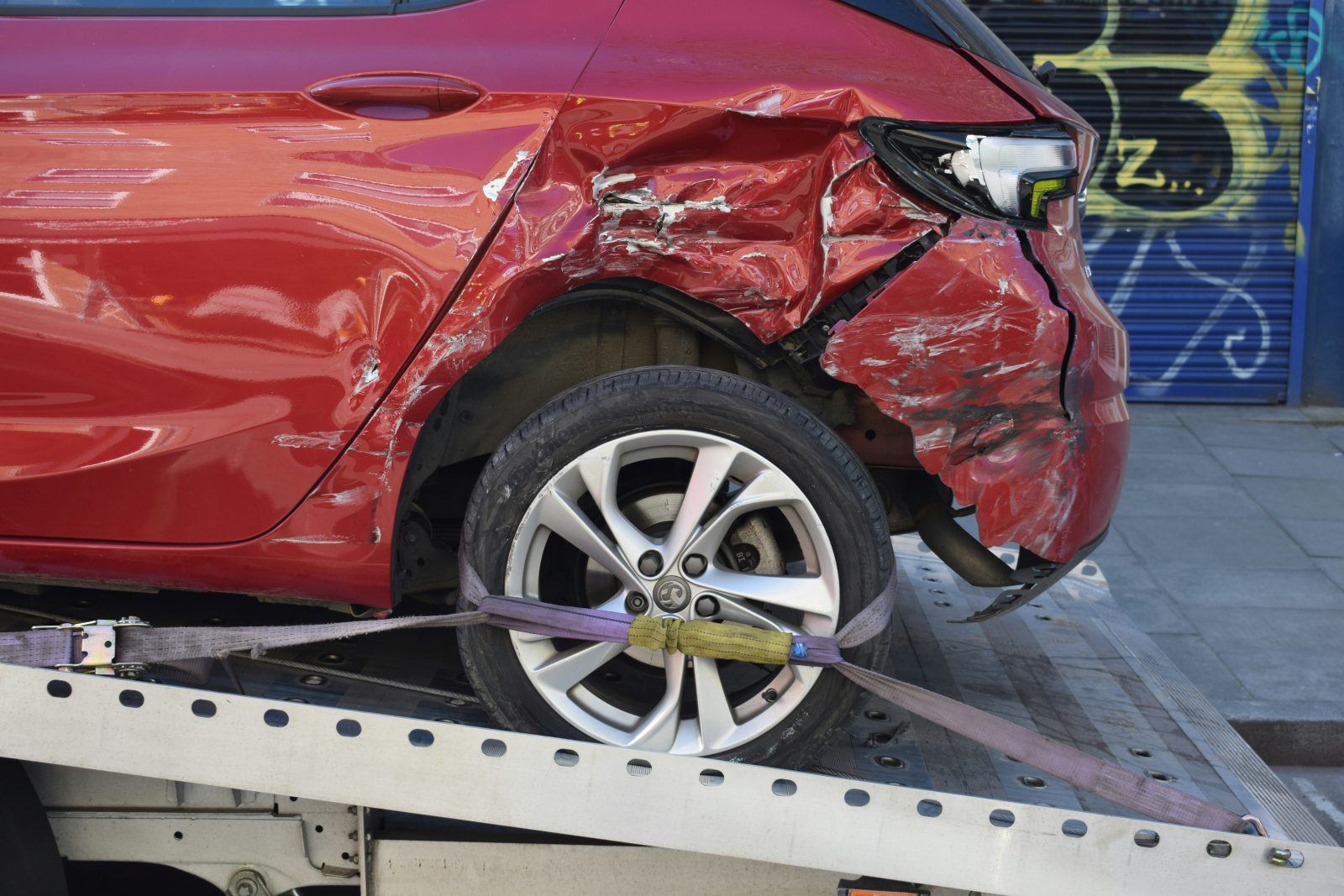
One of the main areas of focus is on the legal and administrative side of things. With a road traffic collision, there are certain legal steps to take. You must stop at the scene, exchange your name, address, and vehicle registration, and report the incident to your insurer.
Organise a dedicated folder containing scene photographs, medical discharge notes, insurer correspondence, and receipts for prescriptions or travel. Accurate records can help make it easier to gather everything that’s needed for an insurance or road traffic accident compensation claim.
It’s worth taking the time to put together a picture of what happened. If your claim is successful, you could receive compensation that can be put towards your recovery. This, in turn, helps to get you back on track after what you’ve been through.
By giving yourself time to recover and dealing with practical responsibilities steadily, you can rebuild your confidence and work towards a more independent future.
