
Bullet Journal vs Junk Journal: What’s the Difference and Which One Is Right for You?
Table of Contents
ToggleIf you’ve been exploring creative journaling, you’ve probably come across two popular styles: the bullet journal and the junk journal. At first glance, they might seem similar — both involve notebooks, creativity, and personalization. But the truth is, they serve very different purposes.
So what exactly is the difference between a bullet journal and a junk journal? And which one should you start?
In this detailed guide, we’ll break down the key differences, purposes, supplies, layouts, and benefits of each to help you decide which journaling style fits your lifestyle.
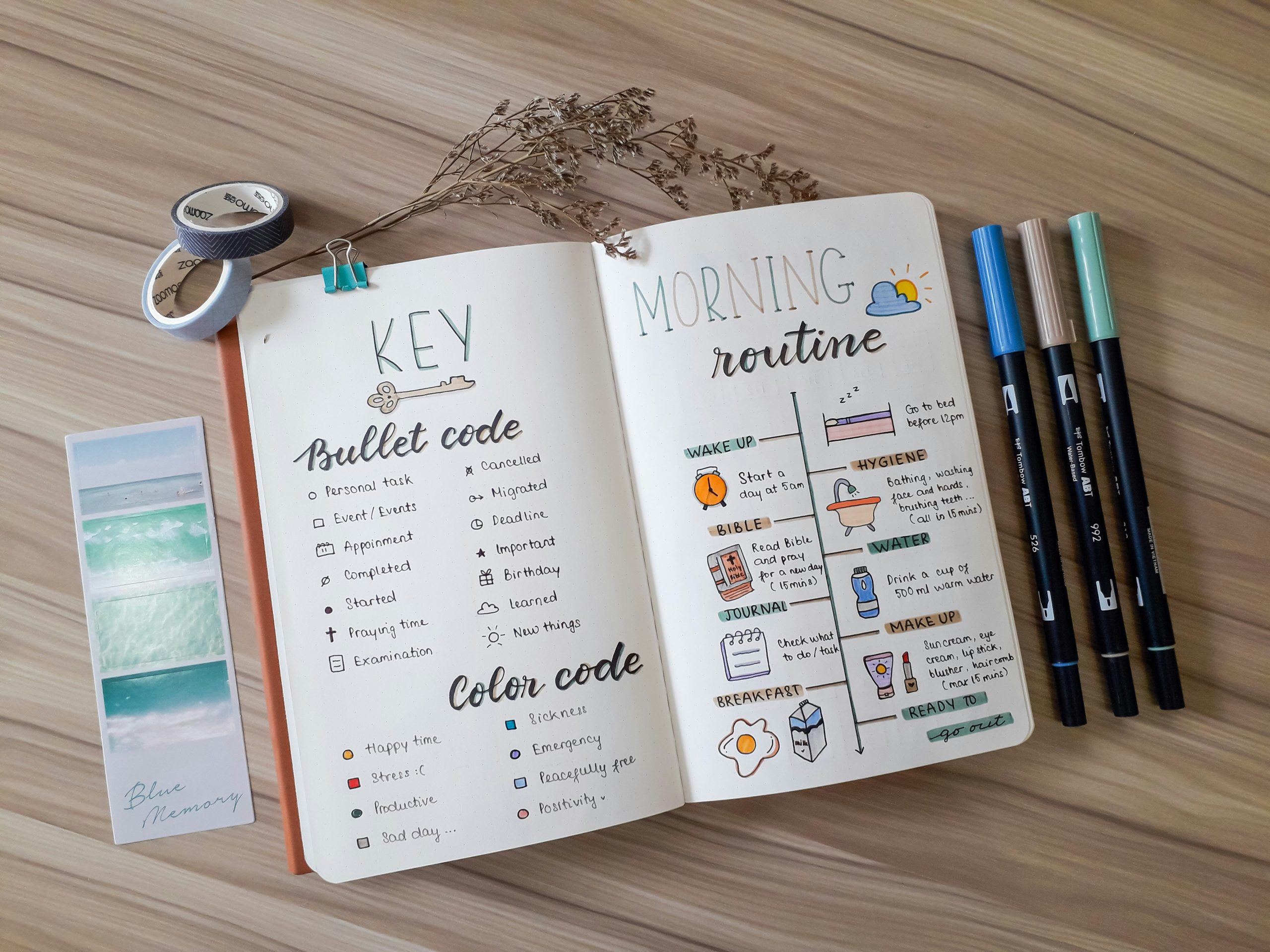
What Is a Bullet Journal?
A bullet journal (often called a BuJo) is a customizable planning system created by Ryder Carroll. It’s designed to help you organize tasks, goals, schedules, and ideas in a flexible notebook format.
Unlike traditional planners with pre-printed layouts, a bullet journal starts as a blank notebook. You create your own:
-
Monthly spreads
-
Weekly layouts
-
Daily logs
-
Habit trackers
-
Goal-setting pages
-
To-do lists
The core idea behind the bullet journal method is productivity and intentional living. It combines planning, reflection, and organization into one system.
Primary Purpose of a Bullet Journal
A bullet journal is mainly used for:
-
Task management
-
Time management
-
Goal tracking
-
Productivity
-
Personal development
While many people decorate their bullet journals with calligraphy and artwork, the foundation is functional planning.
What Is a Junk Journal?
A junk journal, on the other hand, is a creative, handmade memory book created from recycled and found materials. Instead of focusing on organization, junk journals focus on storytelling, memory keeping, and artistic expression.
Junk journals often include:
-
Old book pages
-
Maps
-
Receipts
-
Ticket stubs
-
Fabric scraps
-
Envelopes
-
Postcards
-
Newspaper clippings
The “junk” in junk journal simply refers to repurposed materials — not trash. It’s about turning everyday paper items into something meaningful.
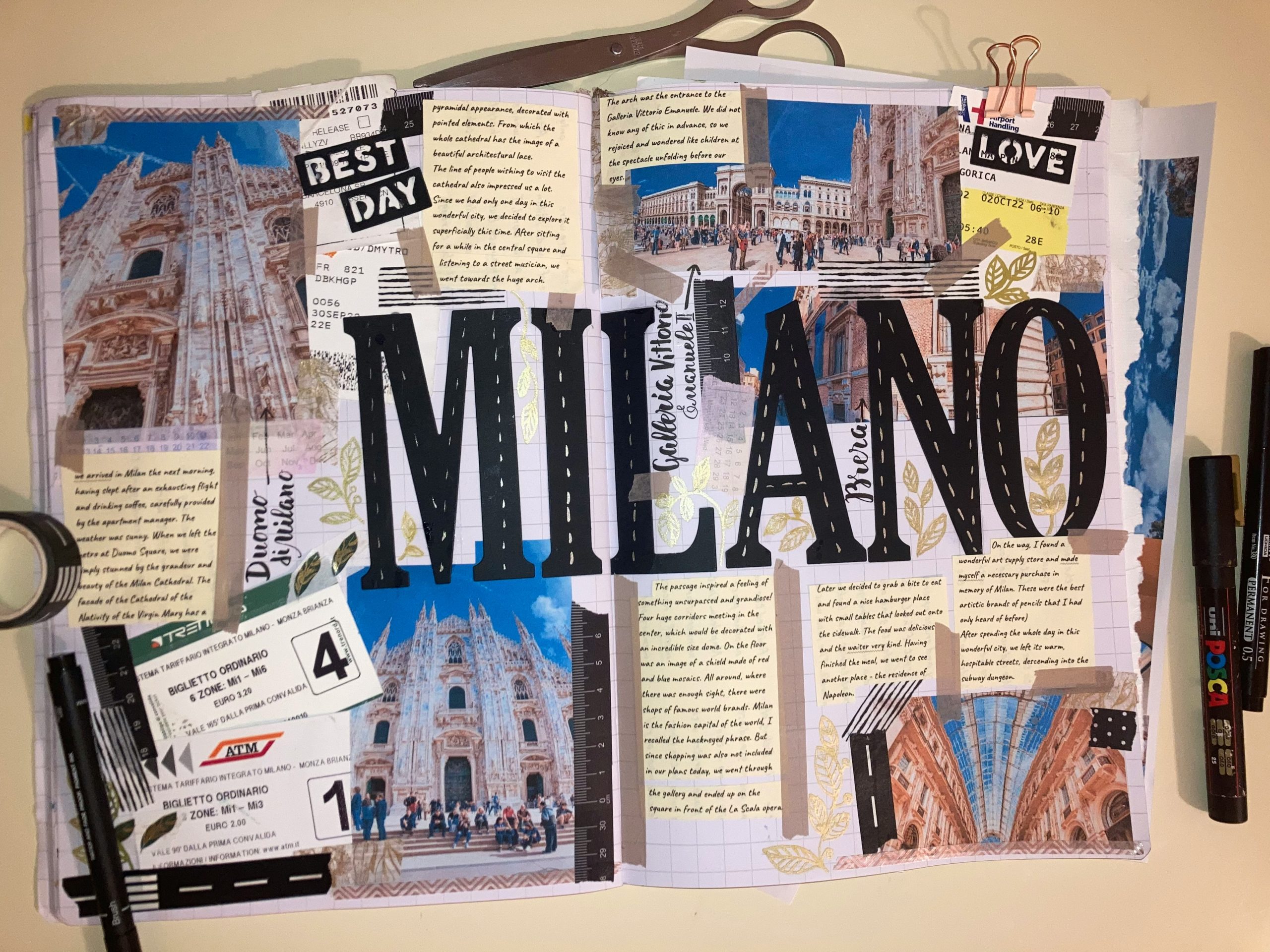
Primary Purpose of a Junk Journal
A junk journal is mainly used for:
-
Memory keeping
-
Creative expression
-
Travel documentation
-
Art journaling
-
Scrapbooking
It’s less about structure and more about creativity.
Key Differences Between a Bullet Journal and a Junk Journal
Let’s break this down clearly.
Bullet Journal vs Junk Journal
1. Purpose: Planning vs. Memory Keeping
The biggest difference between a bullet journal and a junk journal is purpose.
-
A bullet journal helps you plan your life.
-
A junk journal helps you preserve your memories.
If you’re trying to stay organized, track habits, and manage your schedule, a bullet journal is the better fit.
If you want to document a vacation, express your creativity, or create a scrapbook-style book, a junk journal is ideal.
2. Structure: Organized vs. Freeform
Bullet journals follow a structured system. They often include:
-
Index pages
-
Numbered pages
-
Consistent layouts
-
Organized spreads
Even when decorated, the layouts serve a practical function.
Junk journals are intentionally messy and layered. There are:
-
No rules
-
No required layouts
-
No structure
Pages may be different sizes, stitched in, folded, or layered with collage.
3. Materials Used
Bullet Journal Supplies
A basic bullet journal requires:
-
A notebook (often dotted grid)
-
Pen or marker
-
Ruler (optional)
-
Highlighters or brush pens (optional)
Many bullet journal users prefer minimal supplies because the focus is functionality.
Junk Journal Supplies
Junk journaling uses mixed materials like:
-
Vintage book pages
-
Brown paper bags
-
Wrapping paper
-
Magazine cutouts
-
Washi tape
-
Fabric
-
Stickers
-
Glue and scissors
The more eclectic, the better.
4. Aesthetic Style – Bullet Journal vs Junk Journal
Bullet journals can range from minimalist black-and-white layouts to highly artistic spreads with watercolor designs. However, even decorative bullet journals maintain clarity and structure.
Junk journals embrace imperfection. They often feature:
-
Layered textures
-
Distressed edges
-
Tea-dyed paper
-
Collage-heavy pages
The aesthetic leans toward vintage, boho, or scrapbook-inspired styles.
5. Flexibility and Pressure
Interestingly, people sometimes feel more pressure with bullet journaling because it involves consistency and tracking.
Missing a week of planning can feel disruptive.
Junk journaling has less pressure. You can add pages whenever inspiration strikes. There are no deadlines, no tracking requirements, and no missed spreads.
Similarities Between Bullet Journals and Junk Journals
Despite their differences, they share a few things:
-
Both are customizable.
-
Both allow creativity.
-
Both use notebooks as the base.
-
Both can include handwriting and art.
Some people even combine the two — using a bullet journal for planning and adding junk journal-style decorative elements.
Which One Should You Choose?
Here’s a quick guide.
Choose a Bullet Journal If You:
-
Love making lists
-
Want better time management
-
Enjoy tracking habits and goals
-
Prefer structure
-
Like clean layouts
Choose a Junk Journal If You:
-
Love scrapbooking
-
Save paper souvenirs
-
Enjoy mixed media art
-
Want a creative outlet
-
Don’t want rigid rules
You can also use both for different purposes. Many creative people keep a bullet journal for productivity and a junk journal for memory keeping.
Can You Combine a Bullet Journal and a Junk Journal?
Absolutely.
Some journalers create hybrid systems by:
-
Adding collage elements to monthly spreads
-
Creating memory pages in their bullet journal
-
Using junk journal techniques for cover designs
-
Adding envelopes and pockets to planning pages
There’s no rule that says you must choose one.
Final Thoughts: Bullet Journal vs Junk Journal
When comparing a bullet journal vs junk journal, it really comes down to intention.
A bullet journal helps you design your future.
A junk journal helps you preserve your past.
One organizes your goals.
The other celebrates your experiences.
Neither is better — they simply serve different creative and practical needs.
If you’re feeling overwhelmed and want clarity in your daily life, start a bullet journal.
If you’re feeling nostalgic and want to create something artistic and meaningful, start a junk journal.
Or better yet — try both and see which one feels like home.
If you’d like, I can also:
-
Create Pinterest pin descriptions for this post
-
Write an Etsy product description
-
Or create a comparison chart graphic idea for social media
Which journaling style are you leaning toward right now?
