
I
The kitchen is so much more than a place to cook. It’s the bustling heart of the home, where families gather, friends chat over a cuppa, and memories are made. Creating a kitchen that you truly love, one that reflects your style and stands the test of time, is a rewarding project. With a bit of thoughtful planning, you can design a space that is not only beautiful but perfectly suited to your lifestyle.
Planning Your Kitchen Layout
Before you even think about colours or cabinet styles, the layout needs your full attention. How you move around and use the space is the foundation of a successful kitchen design. The classic concept of the ‘kitchen triangle’, the path between the sink, fridge and cooker, is still a useful starting point, but modern kitchens often require more flexible thinking, especially in open-plan homes.
Consider how you use your kitchen day-to-day. Do you need a breakfast bar for quick meals? Would a central island provide valuable prep space and storage? Think about workflow and ergonomics. You want your most-used items to be easily accessible and for the layout to feel intuitive. Taking the time to plan your kitchen layout properly will prevent frustrations later on and ensure your space is a joy to be in.
Choosing Your Kitchen Aesthetic
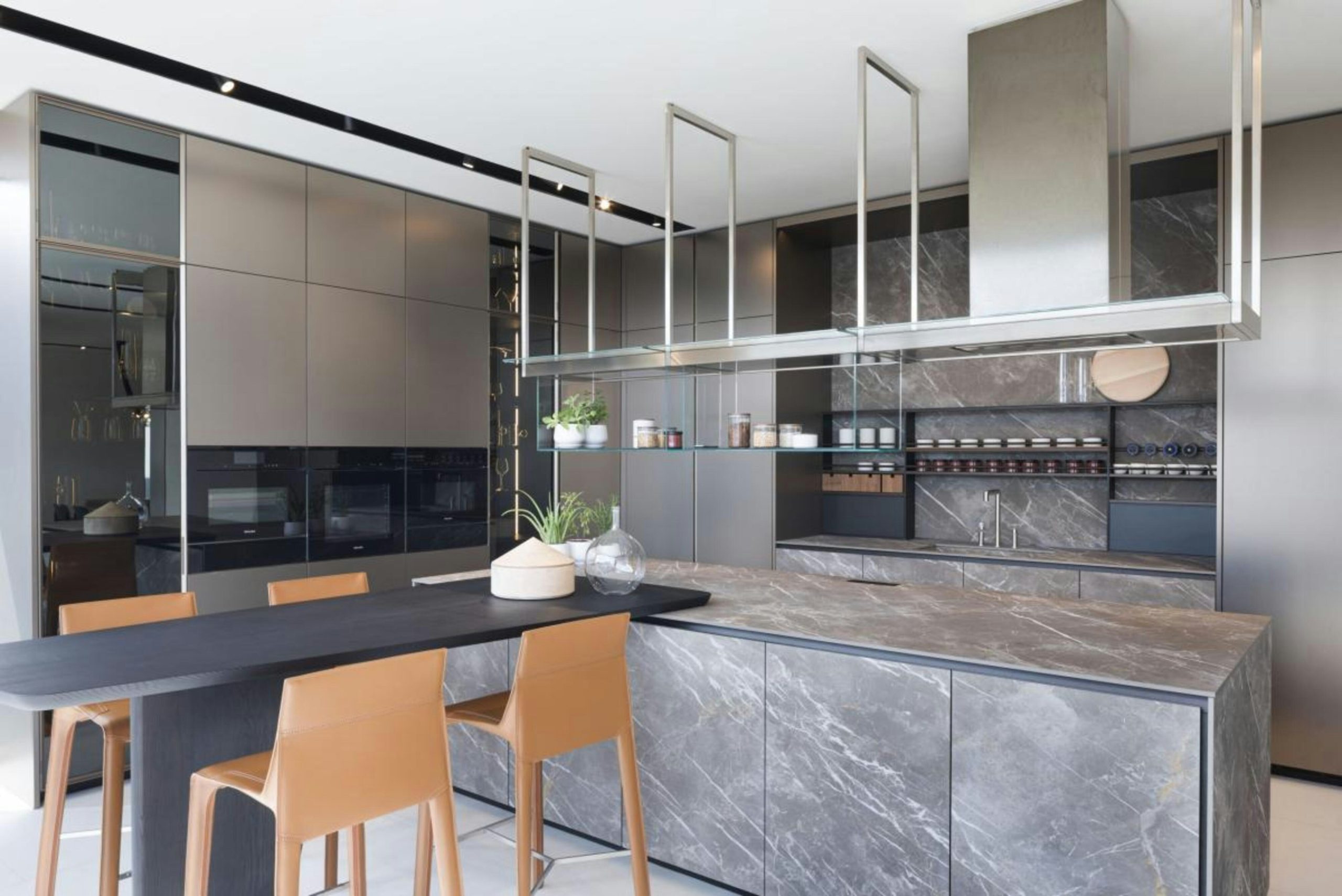
This is the fun part where your personality gets to shine. Are you drawn to the clean lines and uncluttered feel of a modern kitchen, or the warm, classic comfort of a traditional Shaker style? Perhaps the minimalist, natural vibe of Scandinavian design appeals, or the raw, edgy look of an industrial aesthetic.
A great way to focus your ideas is by creating a mood board. Use platforms like Pinterest or tear pages from magazines to gather images that resonate with you. Look for common themes in the colours, textures and overall feeling. This visual guide will become an invaluable tool when you start choosing specific elements. From the cabinet colour to the style of the handles, every choice contributes to the final look, so having a clear vision is key to creating a cohesive design. For more inspiration, you can explore an ultimate guide to designing your perfect space.
Materials That Marry Beauty and Durability
A kitchen needs to be tough. Your chosen materials must withstand daily wear and tear, from spills and heat to scratches and stains, all whilst looking fantastic. The worktop is arguably the hardest-working surface in the room, so this decision is particularly important.
Natural materials like wood and stone have timeless appeal but may require regular maintenance. Laminates offer a budget-friendly option with a huge variety of finishes. For a blend of style and resilience, engineered quartz has become incredibly popular. A high-quality Caesarstone worktop, for instance, provides a non-porous, highly durable surface that comes in an extensive palette of colours and patterns, making it easy to match with any aesthetic. Don’t forget flooring and splashbacks, which also need to be practical and tie in with your overall design scheme.
The Importance of Bespoke Finishes
Standard, off-the-shelf kitchens can be brilliant, but it’s the bespoke touches that truly elevate a space and make it feel uniquely yours. These are the details that solve specific problems or add a touch of luxury that you’ll appreciate every single day. This could mean custom-built cabinetry that makes use of an awkward corner, providing storage that fits your exact needs.
Think about a pantry with pull-out drawers, a cleverly hidden bin system or integrated charging stations for your devices. It’s also about the finishing touches that reflect your style. Statement lighting over an island, a unique tap that feels great to use or beautifully crafted handles can transform the look and feel of the entire room. These thoughtful additions are what turn a functional kitchen into a dream kitchen.
Bringing Your Vision to Life
Once your plans are in place, it’s time to make them a reality. This stage often involves collaborating with a team of professionals, including kitchen designers, joiners and fitters. Clear communication is essential. Be prepared with your mood board and a detailed list of your requirements to ensure everyone is on the same page.
Setting a realistic budget from the outset is crucial. Be sure to factor in not just the big-ticket items like appliances and cabinetry, but also the costs of labour, plumbing, electrics and a contingency fund for any surprises. A kitchen renovation can be disruptive, but with a clear plan and a reliable team, the process can run smoothly, leaving you with a beautiful, functional space that will be the heart of your home for many years to come.
Further reading
Also see my post on minimalist kitchen design ideas
