
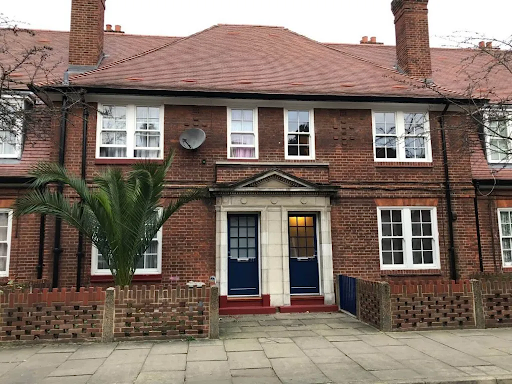
Period homes have a unique charm. From windows and original fireplaces to high ceilings and exposed timber, these features are part of what makes older properties so special. But when winter arrives, these same elements can also make living spaces feel cold and draughty. Period homes often have less thermal efficiency than modern builds and can struggle to retain warmth. The good news is that there are practical ways to enhance comfort through the colder months without compromising the home’s period. This guide offers clear, actionable tips for making a period property feel warm, welcoming and cosier in winter.
Understand Your Home’s Heat Loss
Before making changes, it helps to understand how heat is lost. In period homes, the main areas where warmth escapes are windows, doors, roofs and solid brick or stone walls. Older windows and doors can let in cold air around the frames and through single glazing. Roof spaces without adequate insulation allow warm air to rise out of the house. Recognising these weak points enables you to target improvements effectively.
Improve Thermal Performance of Windows and Doors
Windows and doors have a big impact on how warm a home feels. Period features can add charm but often lack the insulating qualities of modern alternatives. There are several ways to improve performance while preserving the home’s style.
One option is upgrading to double glazed modern sash windows. These windows replicate traditional proportions while offering far better insulation and draught protection. These achieve A-rated energy efficiency with a 1.4 U-value, helping to reduce heat loss while keeping interiors comfortable throughout the colder months. With improved glazing technology and tight seals, these windows maintain the traditional appearance of period homes while delivering modern thermal performance. They also allow smooth sliding operation and controlled ventilation without compromising energy efficiency.
Another approach is upgrading doors and frames with draught seals to reduce cold air infiltration around edges.
Heavy lined curtains help too. Thick thermal curtains create an insulating barrier over windows in the evening and at night. They are especially effective for south and west facing rooms where heat can be lost rapidly after sunset.
Enhance Wall and Loft Insulation
Heat loss through the roof and walls can be reduced with insulation. Loft insulation is one of the most cost-effective measures in any home. It slows the escape of warm air upwards and cuts energy use. For period homes with accessible loft spaces, topping up insulation to recommended depths makes a noticeable difference.
Solid wall insulation is more involved but delivers long-term comfort benefits. Internal wall insulation boards can be fitted behind plaster without affecting external stone or brickwork. These boards reduce cold bridging and help maintain even temperatures.
Use Rugs and Soft Furnishings
Hard flooring such as stone or old timber floors often feels cold underfoot in winter. Layering with rugs not only adds texture and style but also retains warmth. Thick natural fibre rugs trap heat and make rooms feel more inviting. In living rooms and bedrooms, rugs visually anchor seating areas and provide thermal comfort.
Soft furnishings like throws, blankets and upholstered cushions add further warmth. Textured fabrics such as wool, boucle or velvet create a snug feel. Choose colours and patterns that complement your décor to keep spaces looking cohesive.
Plan Lighting for Warm Ambience
During winter, daylight hours are limited and natural light can be weak. Well planned lighting makes a space feel warmer. Instead of relying on a single overhead light, build a scheme using table lamps, wall lights and plug-in uplighters. Placing light sources at different heights creates layers of light and a sense of depth.
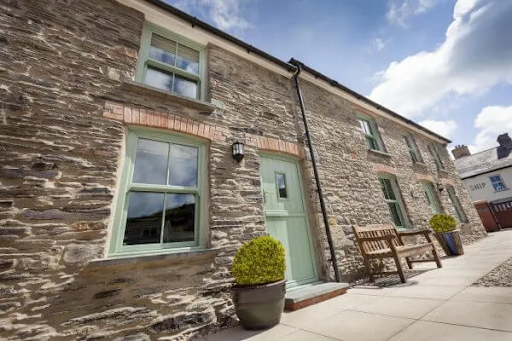
Warm tone bulbs, often marked as 2700K or lower, emit softer light that mimics evening light and adds warmth to spaces. Position lamps near familiar architectural features like fireplaces or alcoves and use dimmers where possible to adjust brightness throughout the evening.
Create Warm Zones with Furniture Layout
The way you arrange furniture influences how cosy a room feels. Group seating around a focal point like a fireplace or a large rug to create zones where people naturally gather. Pull sofas and chairs closer together to reduce large open spaces that make rooms feel cold.
Orient furniture away from draughty areas such as large windows or external doors. Use bookcases and shelving to break up expanses of bare wall, especially if walls feel cold to touch. Adding storage units and display shelves also introduces layers and texture that help spaces feel snug.
Add Supplementary Heat Sources
While insulation and soft furnishings improve comfort, sometimes extra heat sources are needed in the coldest months. Period homes often have fireplaces. If you use yours, ensure it is well serviced and fitted with a well-designed grate and doors to control airflow. A wood burning stove can add both heat and ambience. Modern stoves are highly efficient and can be a focal point in living spaces.
Electric radiators or convection heaters in rooms that are used less often can also help maintain background warmth without heating the entire house. Choose units with thermostatic controls so heat is supplied efficiently and only where needed.
Make Use of Doors and Curtains for Zoning
Rather than heating the whole house all the time, you can create warm zones. Keep doors closed to unoccupied rooms. In hallways and larger spaces, consider using thick curtains across openings where appropriate to block cold drafts from circulation areas.
A curtain across an archway or large entrance can cut down on air movement and trap heat in living and dining areas. These solutions are reversible and do not require building work.
Refresh Soft Textures Seasonally
A quick seasonal refresh of textiles makes a strong impact. Swap out light summer throws for heavier blankets and add textured cushions in rich tones. Fabrics like faux fur and knitwear bring visual warmth and encourage a sense of comfort. These small changes make daily living feel more inviting.
Utilise Interior Accessories That Add Warmth
Accessories might seem decorative, but can serve practical functions. Wall hangings and tapestries add insulation to cold walls and help with sound absorption. Upholstered screens or storage units placed against external walls create extra insulation and reduce the sensation of cold surfaces.
Mirrors placed opposite light sources amplify light and reflect warmth deep into rooms. Houseplants also soften interiors and make spaces feel more alive, even during the low light of winter.
Monitor and Improve Heating Efficiency
Finally, check that your central heating system is functioning effectively. Bleed radiators to remove air pockets and consider balancing radiators so each room receives heat proportionate to its needs. Smart thermostats help manage energy use while maintaining comfort. By controlling when and where heat is delivered, you avoid overheating unused rooms while keeping living spaces warm.
Winter in a period home can be challenging if heat escapes quickly and spaces feel cold. By focusing on insulation, smart use of soft materials, thoughtful lighting, sensible furniture placement and supplementary heating, you can make your home feel cosier without losing its unique charm. These changes range from simple seasonal swaps like rugs and curtains to long-term improvements such as secondary glazing and loft insulation, each contributing to a warmer, more inviting living environment.
