
I’ll admit it: most of my home has arrived in a cardboard box. The dining chairs, the rattan headboard, the brass floor lamp in the corner, and a frankly embarrassing number of the cushions currently piled on my sofa. A few years back, ordering furniture online felt like a bit of a lottery; I once unrolled a jute rug in the hallway and genuinely checked the label to see if they’d sent the wrong one.
It’s got much better since, and for 2027 I’ve spotted a handful of changes that I think will make a real difference to how we shop for our homes. Some are already here, some are just starting to appear on the bigger UK retailers’ sites, and a couple of them have already saved me from a very orange sofa.
Here are seven shifts worth knowing about, along with how I’d make the most of each one.
1. Product Photos That Show the Whole Room
Remember when a sofa would be photographed floating on a white background and you had no idea how big it actually was? That’s fading fast. These days, even quite affordable brands tend to show each piece styled in a proper room, complete with a rug, a little side table, a lamp and, usually, a half-read paperback balanced on the arm.
Here’s the bit that surprised me when I first found out: a good number of those room shots were never photographed. Plenty of brands now use lifestyle renders, which are computer-made images of the product sitting in a realistic room, so they can show one sofa in twenty fabrics and three different living rooms without hiring a studio and a van every time. The good ones are impossible to spot, and the big bonus for us is seeing the exact colourway we’re tempted by, on the whole sofa, instead of guessing from a postage-stamp swatch.
How to use it: look for a room shot that’s closest to your own space in size and light, and use that one to judge scale, not the dreamy loft apartment version.
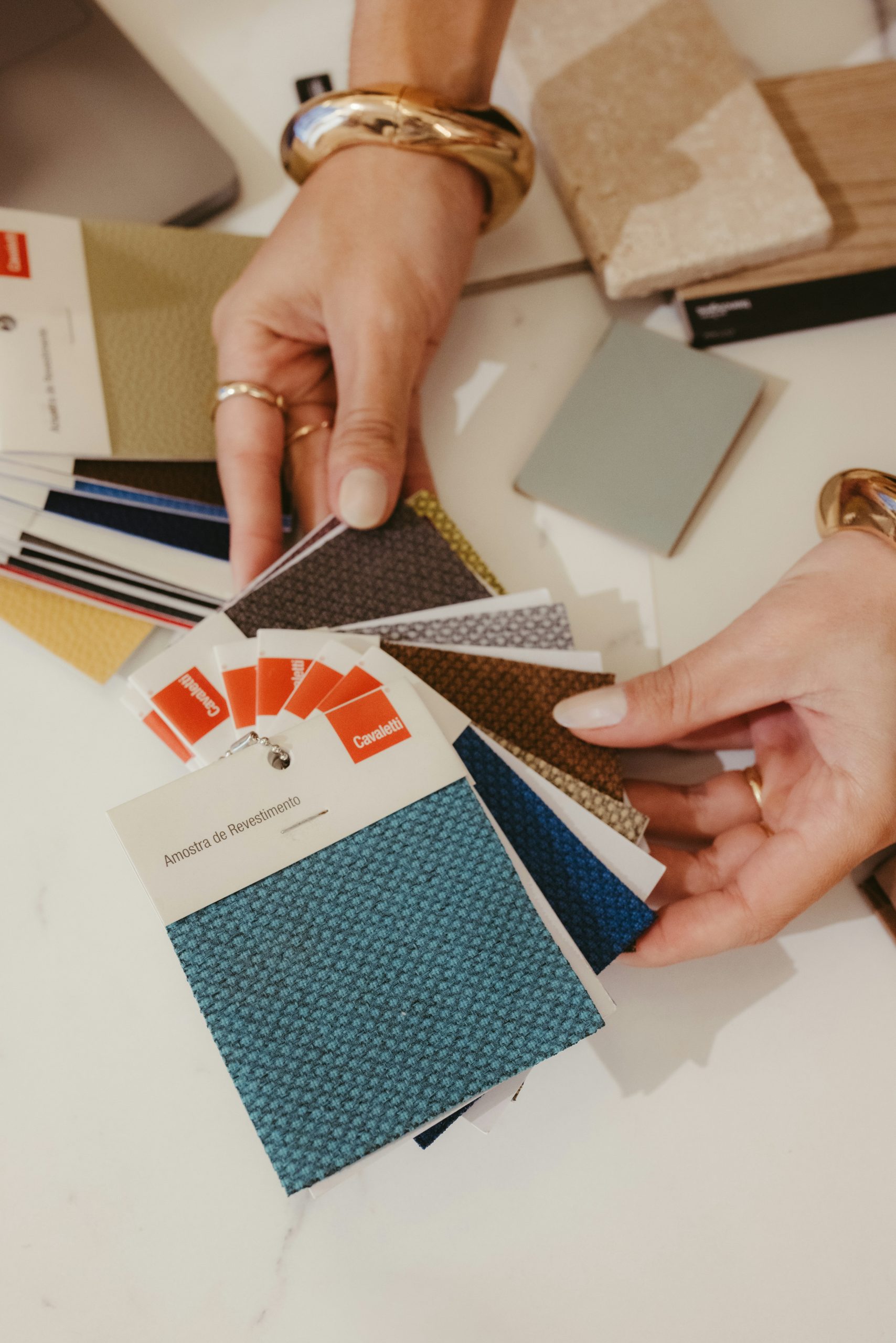
2. Free Fabric Samples Are Becoming the Norm
I won’t buy upholstery without a sample anymore, and it seems retailers have noticed. Free or very cheap swatches are now offered by most of the brands I shop with, often posted within a couple of days.
How to use it: stick the samples on the wall where the furniture will go and look at them morning, afternoon and evening for a few days. A sage green that looks gorgeous in daylight can look almost grey by lamplight in a north-facing room.
3. “View in Your Room” Tools That Actually Work
The augmented reality tools that let you place a chair in your room through your phone camera used to be a bit of a gimmick. The newer ones are much more accurate on size, and a lot of retailers now offer them on bigger pieces.
How to use it: use AR for the big question, “will this fit and will it swamp the room?”, rather than for colour, since phone screens are never quite true to life.
4. More Honest Measurements
This one sounds boring, but it’s my favourite. More product pages now list seat depth, seat height, arm height and even the size of the box it arrives in, so you can check it’ll make it up the stairs.
How to use it: tape the outline on the floor before ordering. Add the height with a strip of masking tape on the wall. It looks a bit mad for a day, but it’s saved me at least one return.
5. Made-to-Order Without the Long Wait
Custom sizes and fabrics used to mean waiting three months. A few makers have managed to shorten that wait, helped by the fact that they can show you a realistic image of your exact version before a single cushion is stuffed, which means fewer last-minute changes slowing everything down.
How to use it: if you’ve got an awkward alcove or a narrow living room, check whether your favourite piece comes in a slightly smaller size before settling for something you like less.
6. Reviews With Real Photos From Real Homes
Customer photos are becoming just as important as the brand’s own images. My habit is to skip right past the glowing five-star paragraphs and hunt for photos people have taken in their own homes, ideally in a room as gloomy as my north-facing lounge in November.
How to use it: look for photos taken in daylight and at night, and pay attention to comments about comfort and how cushions hold their shape after a few months, since no image, however beautiful, can tell you that.
7. Easier, Greener Returns
Finally, returns are slowly getting less painful, with more retailers offering collection slots and a few experimenting with resale schemes for returned items rather than sending them to landfill. It’s still worth avoiding a return in the first place, though, especially for bulky furniture.
How to use it: read the returns policy before you buy, especially for made-to-order pieces, which often can’t be sent back at all.
My Approach for 2027
If I had to sum it up, I’d say use the pretty pictures to fall in love, then use samples, measurements and real customer photos to make sure it’s the right match. The tools are getting better every year, and between them, buying a sofa online feels a lot less like a leap of faith than it did even a couple of years ago.
And if you’re anything like me, you’ll still end up with too many cushions.
