
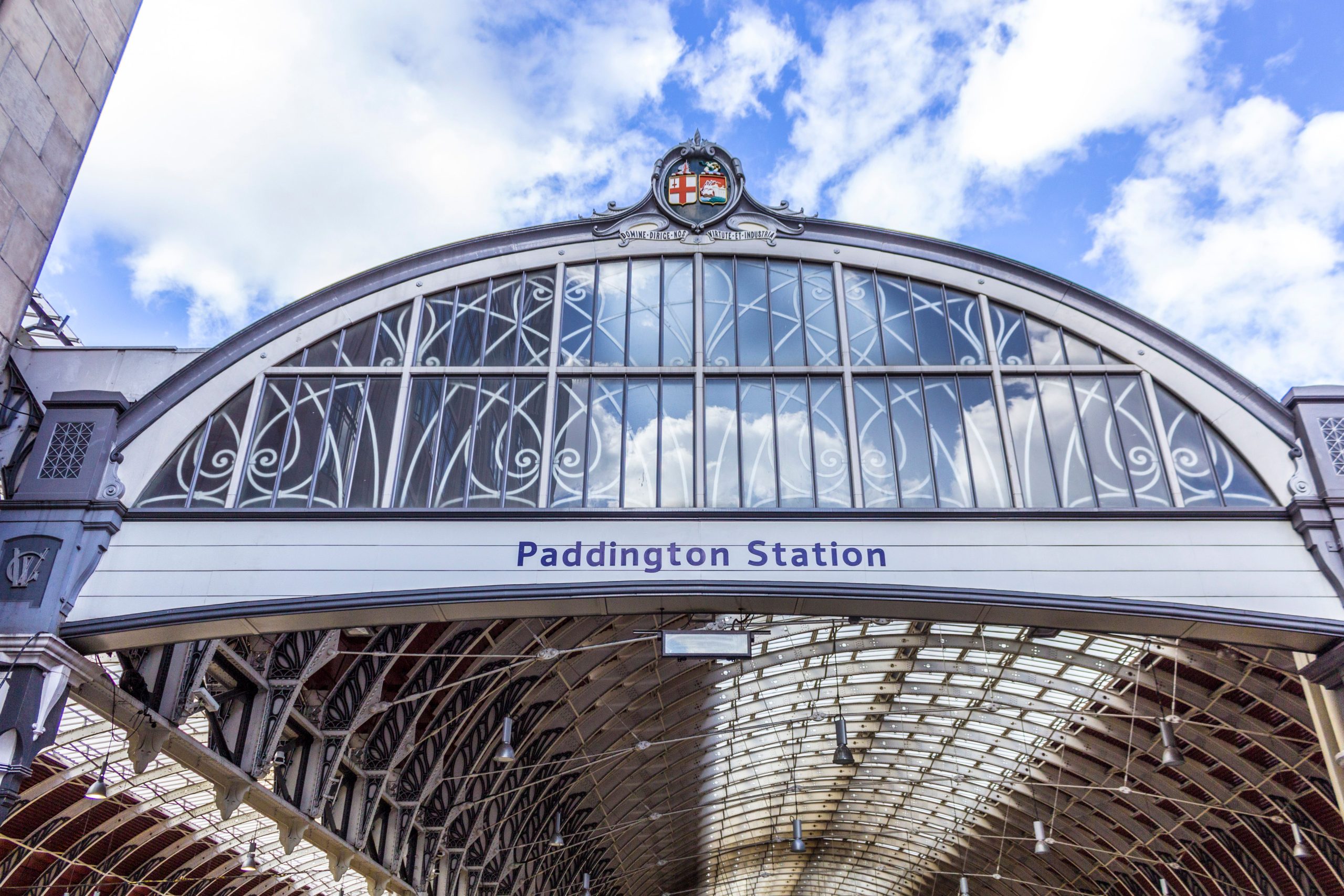
There is a version of London trip planning that goes: find an attraction, work backward to the nearest hotel. It produces results, but not always the right ones. Plenty of visitors end up in accommodation that sounds central on a map but adds unexpected friction to every day of the trip. Paddington is the opposite of that problem.
The Number That Explains the Location
Paddington Station handles nearly 30 million passengers every year, making it one of the busiest rail hubs in London, with direct links to Heathrow Airport, multiple Underground lines, and mainline services to the west of England and Wales. That level of connectivity is not incidental to why Paddington works so well as an accommodation base. It is the reason. A neighbourhood built around one of London’s primary transit hubs means that wherever a visitor needs to reach, the route there starts close to the front door.
For leisure travellers arriving from Heathrow, the Heathrow Express cuts airport-to-hotel time to roughly 15 minutes. For those already in the city, connections to the Elizabeth line, Bakerloo, Circle, and District lines put virtually every major London destination within comfortable reach without navigating a confusing interchange.
What “The Paddington Area” Actually Covers
The term hotels in Paddington area can refer to a fairly wide zone, and understanding the geography helps with choosing the right location within it.
The core accommodation district sits immediately south and east of the station, centred around Sussex Gardens and Norfolk Square. This is where the majority of the neighbourhood’s guesthouses, bed and breakfasts, and independent hotels are found, largely occupying converted Victorian terraced houses that give the area its residential, unhurried character. Properties here trade proximity to the station against the slightly quieter pace of streets that are genuinely residential rather than commercial.
Further west, the neighbourhood transitions through Bayswater toward Notting Hill, while the southern boundary runs directly into Hyde Park, one of London’s most significant green spaces and, for many visitors, reason enough on its own to consider this part of the city.
Hyde Park, Buckingham Palace, and the Case for Walking
One of the more underappreciated practical advantages of accommodation in Paddington London is what becomes walkable rather than requiring a tube journey.
Hyde Park’s northern entrance is approximately a 10-minute walk from the heart of the Paddington accommodation district. From there, the park opens up to the south, providing a green corridor that leads through Kensington Gardens toward the Albert Memorial and Royal Albert Hall to the west, and through to Green Park and St. James’s Park heading east. Buckingham Palace sits at the southern end of that walking route, making it reachable on foot in 25 to 35 minutes through consecutive royal parks.
For visitors who plan to spend meaningful time around the royal and museum quarter of the city, this walking access represents genuine daily value. Tube fares and journey times that would otherwise be spent commuting to and from these areas simply do not apply.
Accommodation Options at a Glance
Paddington offers a wider range of accommodation types than most visitors initially expect. Below is a general reference for the area:
| Accommodation Type | Typical Setting | Estimated Nightly Rate | Best For |
| Budget Hotels | Terraced house conversions near station | £55 – £95 | Short stays, transit-focused visits |
| Independent Guesthouses | Sussex Gardens, Norfolk Square | £75 – £130 | Longer stays, quieter setting |
| Mid-Range Hotels | Mixed, both purpose-built and converted | £110 – £180 | Comfort and location balance |
| Boutique Properties | Side streets near Sussex Gardens | £130 – £200 | Character-led stays |
| Serviced Apartments | Paddington Basin and surrounding streets | £100 – £220 | Extended stays, family groups |
Estimated rates based on general London accommodation market data (2025-2026). Prices vary significantly by season, booking lead time, and room type.
Sussex Gardens: What to Expect on the Street Itself
Sussex Gardens is the street that defines Paddington’s accommodation identity more than any other. Running roughly parallel to the main road from the station, it consists almost entirely of white-stucco Victorian properties, the majority of which operate as hotels or guesthouses. The scale is unhurried and residential, with small front gardens and steps up to entrance doors that feel more like arriving at a private home than checking into a chain property.
The area around Sussex Gardens generally offers better value than equivalent accommodation a few streets further east toward Marylebone or Marble Arch, with the convenience gap between the two locations being marginal at best given the underground connections available nearby.
One Property Worth Looking At
For travellers who want accommodation in Paddington London that reflects the neighbourhood’s traditional character rather than a corporate hotel experience, Abbey Court Hotel London Paddington is among the established properties on Sussex Gardens, offering the kind of straightforward, well-located stay that suits visitors who treat accommodation as a comfortable base rather than a destination in itself.
Making the Decision
The argument for Paddington as an accommodation base is ultimately practical rather than aspirational. It is not the most glamorous address in London, and it does not try to be. What it offers is consistent, reliable value in terms of transport access, walkable proximity to central attractions, and accommodation pricing that sits noticeably below what equivalent areas closer to the West End charge for a comparable standard. For most visitors, that combination is exactly what a well-planned London trip needs.
