
Front Door Trends 2027 – Your front door has a bigger influence on the look of your home than you might think. It is often the first thing you notice from the street, and even a relatively small change can make the whole exterior feel fresher, more welcoming and a little more considered.
For 2027, front door design is moving towards something more personal. Instead of every house having the same dark grey door, there is growing interest in softer heritage colours, natural finishes, traditional detailing and entrances that feel like a natural extension of the home itself.
Think sage green against red brick, a beautifully painted Victorian door, warm timber finishes, decorative glass and thoughtfully chosen door furniture. There is room for contemporary design, too, but the emphasis is on creating an entrance with character rather than following a look simply because it is popular.
If you are thinking about painting your existing door or investing in a new one, these are the front door trends worth knowing about for 2027.
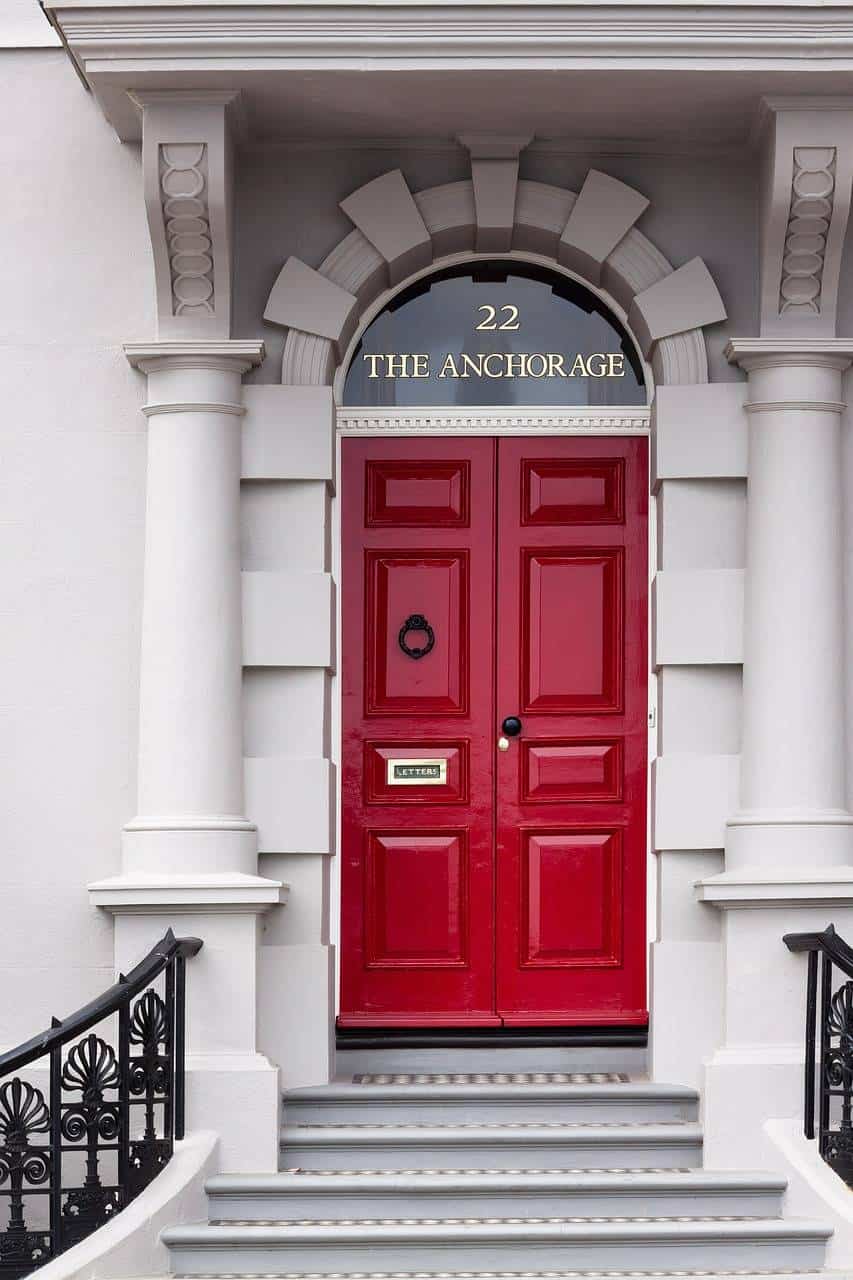
Front Door Trends 2027
1. Sage Green and Olive Front Doors
Green is shaping up to be one of the most appealing choices for front doors in 2027. From pale, muted sage to deeper olive and woodland green, these shades offer a lovely balance between colour and subtlety.
Unlike brighter colours that can dominate the exterior, green tends to sit comfortably alongside natural materials. It looks particularly good against red brick, cream render, stone and warm timber, making it a versatile choice for everything from country cottages to modern family homes.
Sage green is ideal if you prefer a softer, understated finish. Olive feels a little richer and works beautifully with aged brass hardware, while a deep forest green can give a traditional entrance a more dramatic appearance.
The best part is that green does not have to mean a country-style home. A simple, contemporary door in a muted green can look just as striking, especially when paired with clean lines and understated lighting.
Styling tip: Look at the undertones of your brickwork and window frames before choosing a shade. A grey-based sage will feel cooler, while an olive green with yellow undertones can bring warmth to an otherwise neutral exterior.
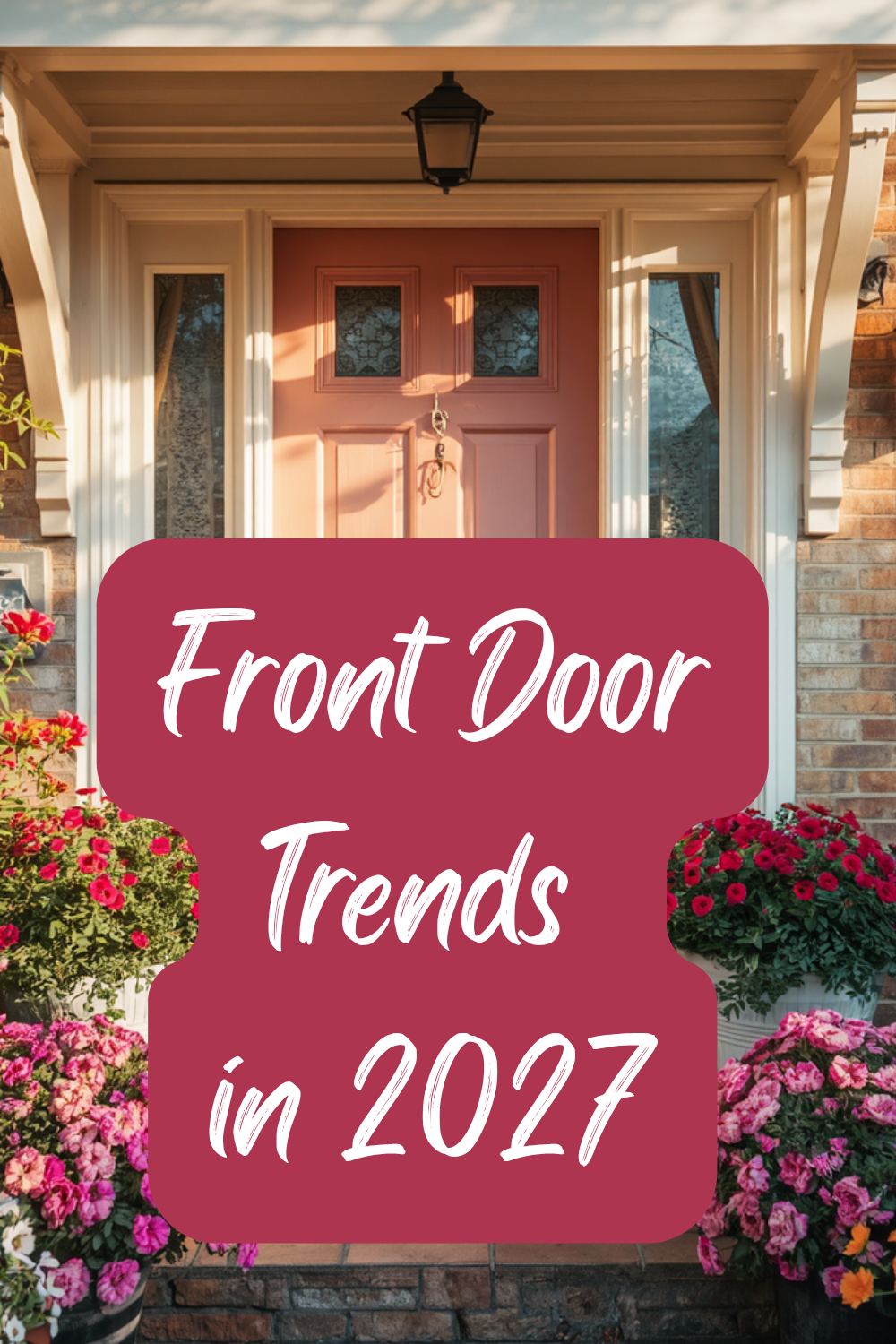
2. Warm Neutrals Replace Cold, Flat Finishes
Neutral front doors are not disappearing, but the shades worth considering are becoming warmer and more nuanced.
Cream, mushroom, taupe, putty and soft stone offer an alternative to stark white and cool grey. They are understated without feeling plain, and they work particularly well on homes with pale render, natural stone or warm-toned brick.
These colours are also a good option if you want an entrance that will look appealing for years rather than something that feels tied to a particular moment in design.
A warm neutral door can be surprisingly effective when combined with darker ironmongery, textured brickwork and a pair of large planters. It creates a finished look without competing with the rest of the property.
For a more contemporary exterior, consider a soft putty shade with black or bronze hardware. On a traditional house, creamy paint and antique-style fittings can create a gentler, more classic effect.
The trick is to avoid choosing a colour in isolation. A shade that looks beautifully creamy on a paint card may appear much cooler outdoors, so test a sample in natural daylight before committing.
3. Heritage Front Doors Make a Comeback
Traditional architectural details are having a moment, and front doors are an especially lovely place to embrace them.
Victorian and 1930s-inspired designs bring a sense of history and individuality to an entrance. Think raised and recessed panels, decorative mouldings, stained glass, fanlights and classic proportions.
These details are particularly suited to period properties, where a well-chosen door can complement the original character of the building. However, you do not need to live in a Victorian terrace to enjoy the look.
A newer property can benefit from a more traditional door style, especially when the colour and hardware are chosen carefully. The aim is to introduce character without making the entrance feel disconnected from the rest of the house.
If you already have an older door, consider whether it can be refreshed rather than replaced. A fresh coat of suitable paint, polished hardware and a carefully chosen house number may be enough to bring it back to life.
Styling tip: Heritage details tend to look most convincing when they are supported by the surrounding features. Traditional lighting, a simple doormat and well-maintained planting can help everything feel cohesive.
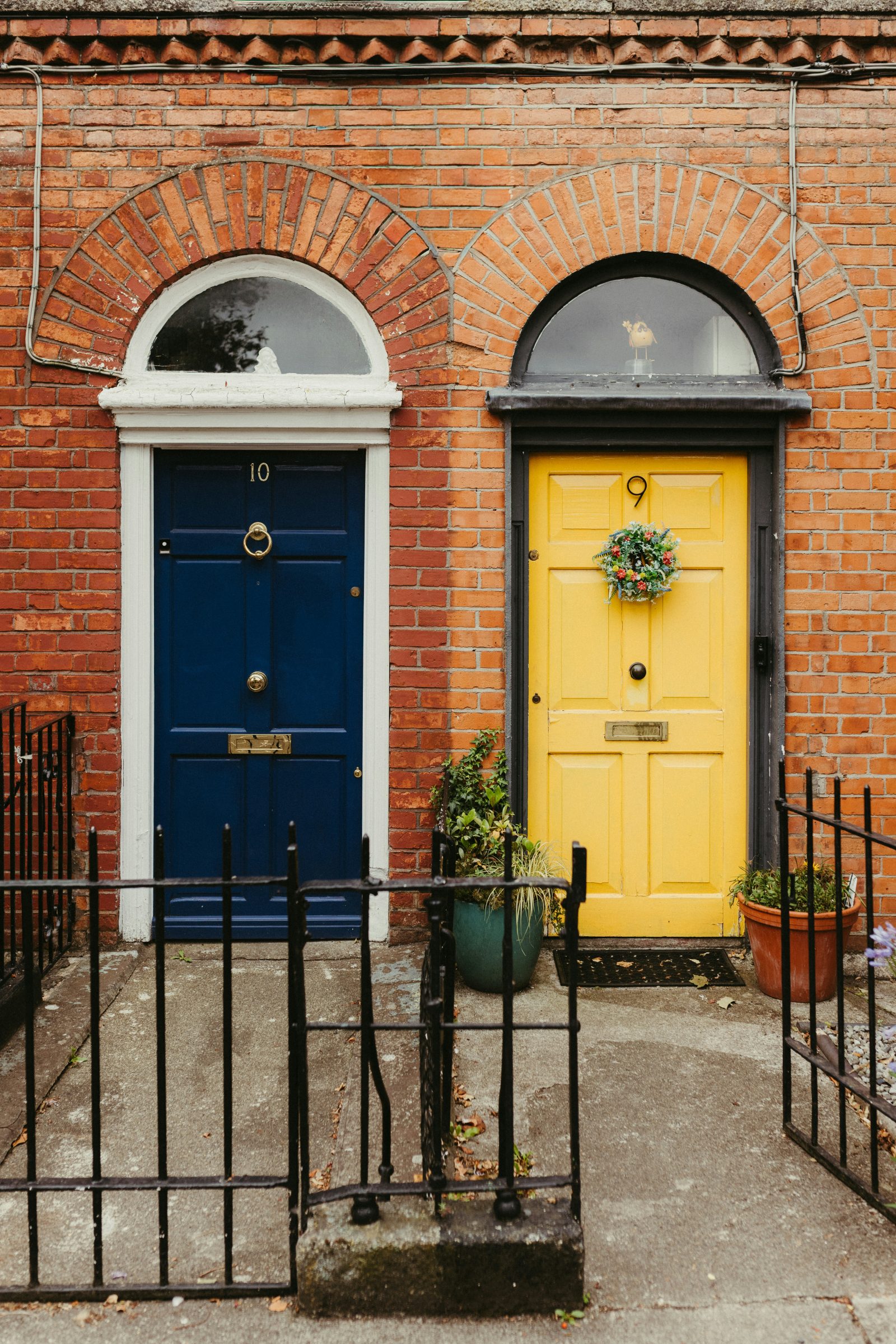
4. Deep Blue Front Doors Still Feel Timeless
For anyone who wants colour without going too far outside their comfort zone, blue remains a strong option.
Navy, ink blue, slate blue and softer chambray shades offer very different looks, which is part of their appeal. Deep navy feels smart and traditional, while muted blue brings a lighter, more relaxed quality to the entrance.
A navy front door looks particularly good against white or cream exterior walls, but it can also work beautifully with red brick and stone. For a softer interpretation, a dusty blue can bring colour to a cottage or period property without feeling too bold.
Blue is also a useful choice if you want something more distinctive than black but still relatively easy to coordinate with other exterior finishes.
For 2027, consider shades with a little depth rather than very bright, flat blues. They tend to feel more grounded and can change beautifully in different lighting conditions.
Pair a dark blue door with brushed brass or aged bronze hardware for a traditional finish, or choose simple black fittings for a cleaner, more contemporary appearance.
5. Natural Wood Doors Bring Warmth and Texture
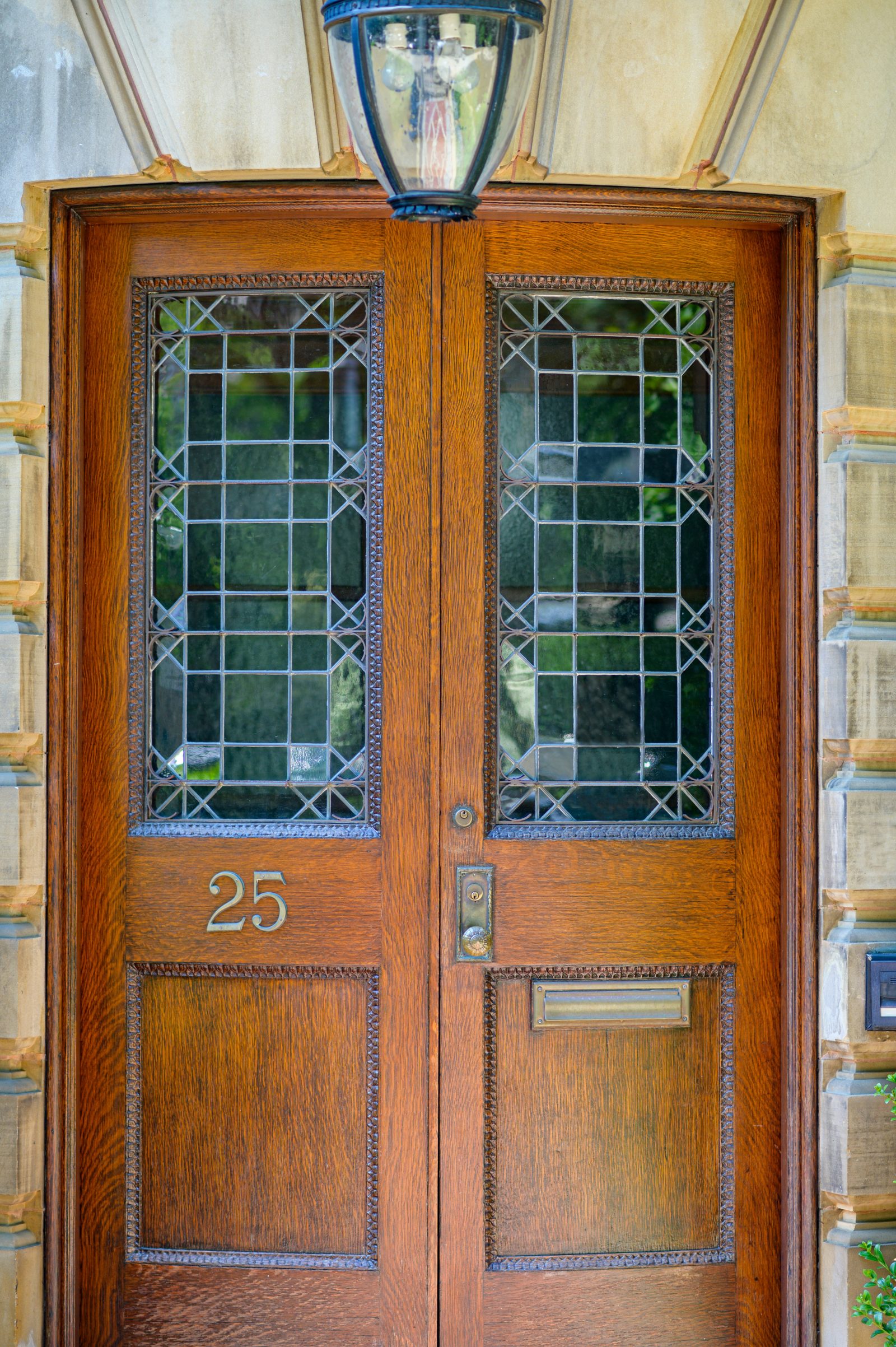
Paint is not the only way to give a front door a new look. Natural timber finishes are worth considering if you want the entrance to feel warm, tactile and connected to the materials around it.
Oak, walnut-toned finishes and other wood effects can work beautifully with stone, brick, greenery and neutral render. They also suit a wide range of architectural styles, from rural homes to contemporary properties with simple façades.
There is something appealing about allowing the natural grain to become part of the design. Rather than relying on a bold colour, the door becomes a feature through its texture, tone and craftsmanship.
Lighter timber finishes tend to create a relaxed, contemporary feel, while richer brown tones can look more traditional and substantial.
If you are considering a timber door, think about the maintenance involved as well as the appearance. Exterior wood needs the right protection for its exposure and local weather conditions, and finishes may require periodic attention.
For a lower-maintenance alternative, some modern doors offer convincing wood-effect finishes without the same upkeep associated with natural timber.
6. Stained Glass and Decorative Glazing Add Character
Glazing can completely change the appearance of a front door. It brings in light, adds visual interest and can make an entrance feel more individual.
For 2027, decorative glass is a particularly appealing option for anyone drawn to traditional and heritage-inspired design. Textured glass, subtle geometric patterns and stained-glass details can all add personality without requiring an elaborate door design.
On period properties, decorative glazing can help reinforce the original architectural style. On more contemporary homes, simpler reeded or obscured glass can introduce texture while keeping the overall look modern.
There is a practical side to consider, too. Privacy matters, especially if your front door opens directly onto a busy pavement or neighbouring property.
Choose glazing that suits the position of your entrance, and make sure any replacement door meets the security and thermal-performance requirements appropriate for your home.
If a new door is not on the cards, even updating the surrounding entrance with better lighting and a more considered colour scheme can help make existing glazing feel more intentional.
7. Statement Door Furniture Makes a Difference
Sometimes, it is the smallest details that make the biggest difference.
Door knockers, handles, letterplates, house numbers and hinges might seem like minor considerations, but they can change the overall feel of a front door considerably.
Brushed brass and aged brass offer warmth and suit both traditional and contemporary settings. Black hardware creates a sharper contrast, while bronze finishes can feel particularly at home alongside dark green, navy and natural timber.
For heritage properties, a traditional knocker or classic letterplate can help preserve the character of the entrance. On a modern door, streamlined hardware often works better than too many decorative details.
Matching every fitting is not essential, but it helps to have a consistent approach. A door with several competing metal finishes can look less considered than one with a simple, well-chosen combination.
House numbers deserve attention as well. A clear, attractive number can be both practical and decorative, particularly when it complements the style of the door and exterior lighting.
Before buying new hardware, check the dimensions and fixing positions of your existing fittings. This is especially important if you are replacing just one or two items rather than the whole door.
8. Make More of the Entrance Around the Door
One of the most useful front door trends for 2027 is the growing emphasis on the entire entrance rather than the door alone.
A beautiful door can lose some of its impact if the surrounding space feels neglected. Equally, an ordinary door can look much more inviting when the lighting, planting and finishing touches have been thoughtfully chosen.
Start with the basics. A clean pathway, tidy paintwork and an uncluttered doorstep make a noticeable difference. From there, consider a pair of planters, a well-proportioned doormat or a simple wreath that suits the style of your home.
Lighting is particularly important. Wall lights can frame the doorway, make the entrance easier to navigate after dark and add atmosphere. Choose fittings that are in proportion to the door and the surrounding wall, rather than ones that overwhelm the space.
If your entrance is exposed to the weather, a canopy or porch can provide useful shelter while adding architectural interest. The design should complement the house rather than look like an afterthought.
For smaller entrances, keep the styling simple. One attractive planter, a good light and a clean doorstep are often more effective than squeezing in lots of accessories.
9. Terracotta, Dusty Rose and More Unexpected Colours
Green, blue and warm neutrals are relatively easy choices, but 2027 is also an opportunity to be a little more adventurous.
Terracotta, muted clay, dusty rose and softened yellow tones can bring a distinctive personality to a front door. These shades feel warmer and more relaxed than some of the brighter accent colours that have been popular in the past.
Terracotta can look beautiful against cream render, pale stone and natural timber. Dusty rose offers a softer alternative to traditional red, while a muted yellow can introduce a cheerful note to a cottage or understated exterior.
The key is finding a shade that belongs with the house rather than simply standing out from it.
If you love the idea of a more unusual colour but are worried about committing, start by looking at smaller details around the entrance. You could introduce a similar tone through planters or seasonal accessories before deciding whether to use it on the door itself.
And remember, a statement colour does not need to be bright to make an impact. A complex, slightly muted shade can be just as distinctive while feeling easier to live with.
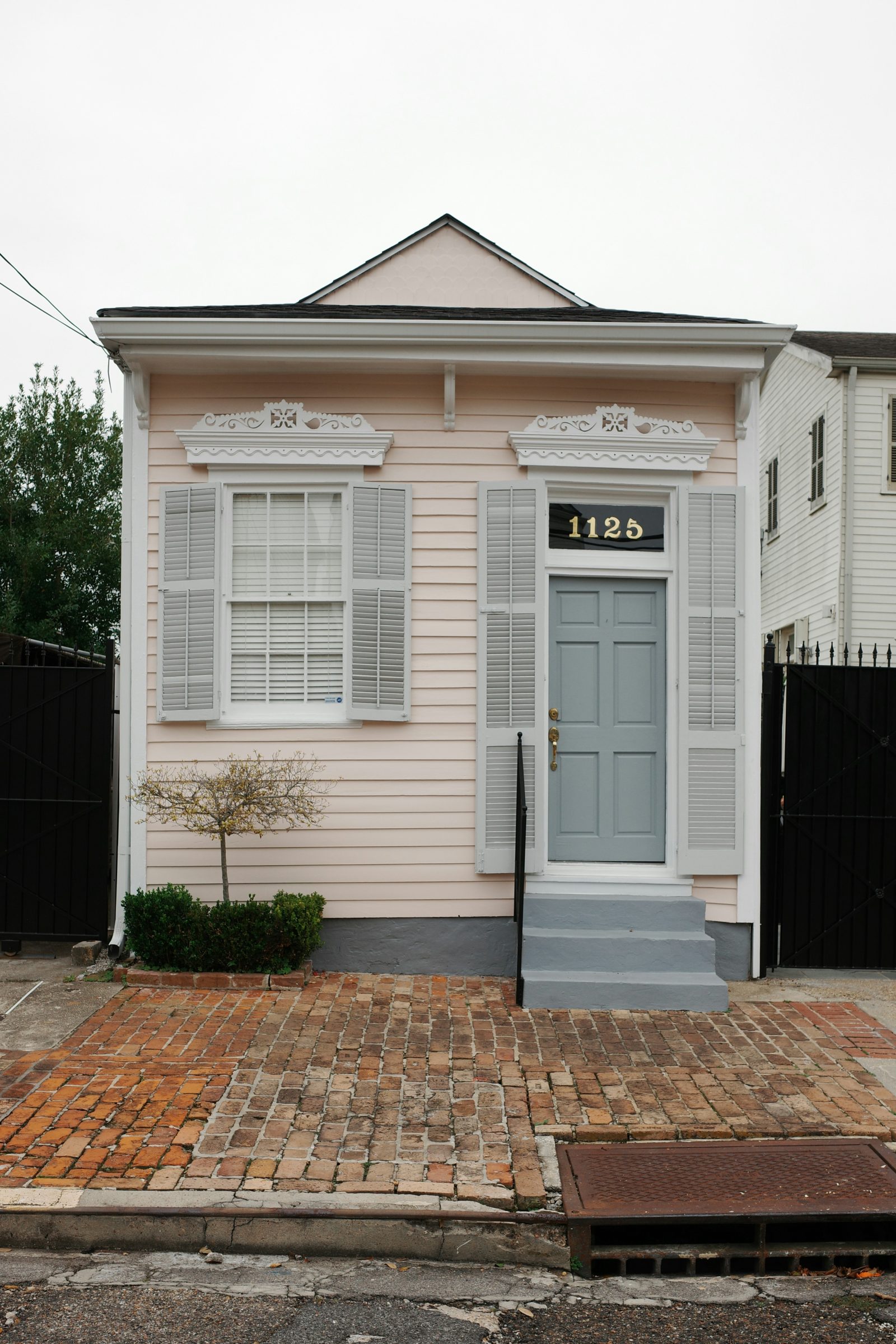
10. Arched Shapes and Softer Architectural Details
Curves are another way to bring character to an entrance. Arched doorways, curved glazing and softer architectural details can create a more distinctive silhouette, especially on homes with otherwise simple façades.
On traditional properties, an existing arch can become a feature in its own right with a carefully chosen paint colour and suitable lighting.
For contemporary homes, curved detailing can soften sharp lines and introduce a little visual interest without relying on decoration.
If you are planning a larger renovation, an arched doorway may be worth considering as part of the overall architectural design. It is a more substantial change than repainting a door, though, and will need to work with the proportions and construction of the property.
You can also achieve a softer look without structural alterations. Rounded planters, curved wall lights or an arched mirror visible through a glazed entrance can echo the same feeling on a smaller scale.
11. Better Lighting and Smarter Everyday Details
A stylish entrance should work just as well after dark as it does during the day.
Outdoor lighting is becoming an increasingly important part of front door design, with homeowners looking for fittings that combine good looks with everyday practicality.
Traditional lanterns suit cottage and period-style entrances, while simple cylindrical or geometric wall lights work well on contemporary properties. Warm-toned illumination can make an entrance feel welcoming without creating an overly harsh glare.
Motion sensors are worth considering if you want lighting to switch on automatically when someone approaches. They can be particularly useful for side entrances, darker pathways and homes where hands are often full of shopping or bags.
Other practical improvements deserve attention, too. Draught-proofing, reliable locks, suitable weather seals and a properly fitted door can make a real difference to comfort and security.
These details may not be as exciting as choosing a new colour, but they are part of what makes a front door a worthwhile investment.
Always choose exterior fittings suitable for their location and exposure, and use a qualified installer where electrical work or changes to the door’s security features are involved.
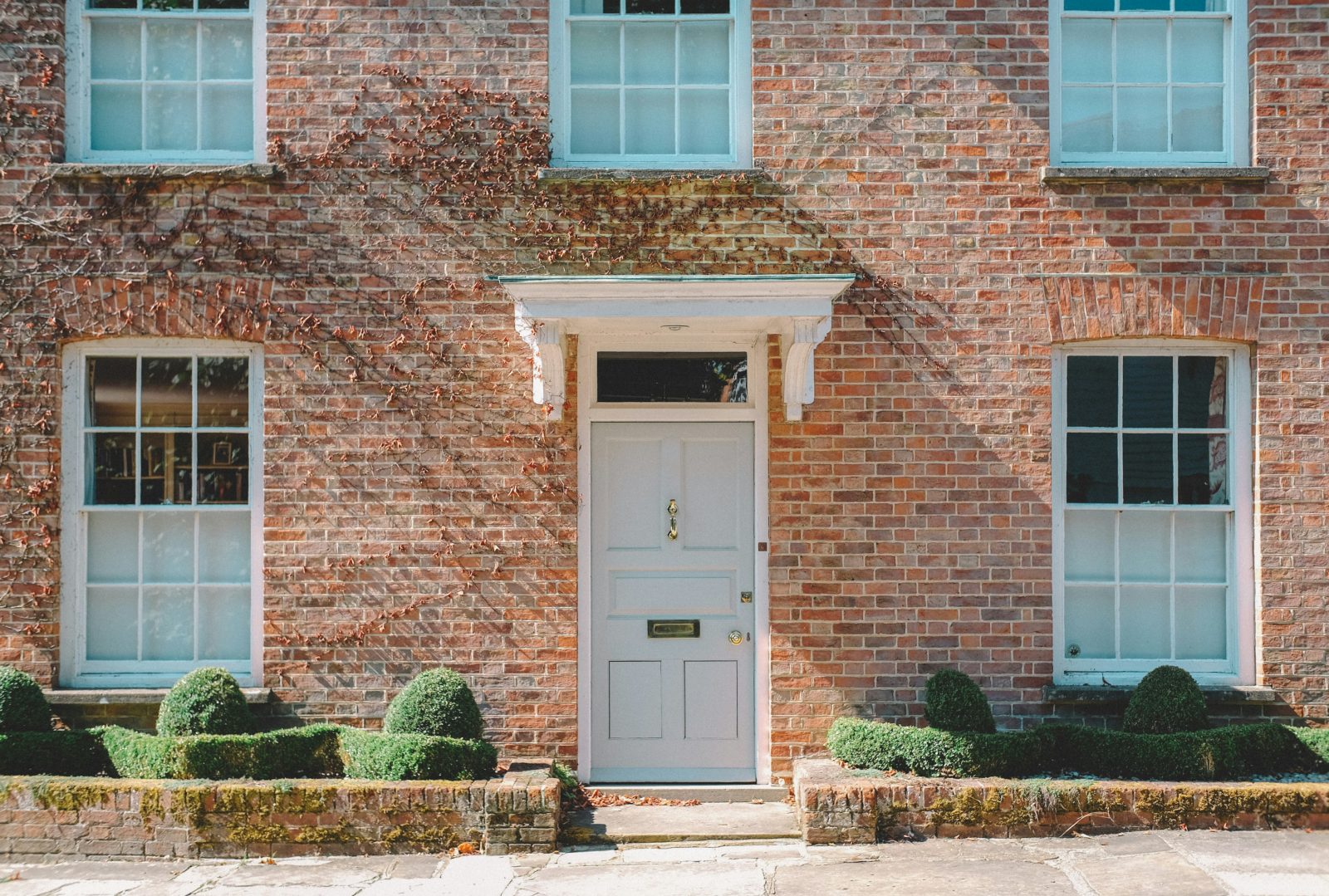
12. Personalised Entrances That Feel Less Like Everyone Else’s
Perhaps the biggest shift for 2027 is the move towards entrances that feel individual rather than copied from a showroom display.
That does not necessarily mean choosing an unusual door or spending a fortune on bespoke details. Often, it is the combination of a suitable colour, attractive hardware and a few thoughtful finishing touches that makes a home feel distinctive.
A traditional green door with a brass knocker and climbing plants tells a different story from a dark timber door with minimalist lighting. Neither is inherently better. What matters is how well the choices work together and whether they suit the people who live there.
This is also a good reason not to follow every trend too literally. Your front door is something you will see and use every day, so it is worth choosing a look you genuinely enjoy.
If your house has beautiful original features, let them guide your decisions. If you live in a newer property, use colour, texture and lighting to add personality without forcing a traditional style that does not feel right.
The most successful entrance designs are often the ones that look as though they have evolved naturally over time.
How to Choose the Right Front Door Trend for Your Home
With so many colours and styles to consider, it helps to start with the property itself.
Look at the exterior materials. Red brick, pale stone, white render and timber cladding all create different backdrops. Choose a door colour that complements these materials rather than competing with them.
Consider the age and style of the house. A Victorian terrace may suit a traditional panelled door, while a contemporary extension could look better with clean lines and restrained hardware. There are no absolute rules, but a little architectural awareness goes a long way.
Think about maintenance. Timber, painted finishes and different door materials have different care requirements. Consider how much upkeep you are comfortable with before choosing a finish.
Check the light. A colour can look completely different in a sheltered porch compared with a doorway that receives direct sunlight. Test samples outside and look at them at different times of day.
Prioritise security and performance. Appearance matters, but so do reliable locks, weather resistance, thermal performance and correct installation. If you are replacing the door, compare the full specification rather than choosing on appearance alone.
Decide where to spend your money. A new door can transform an entrance, but it is not always necessary. Repainting a suitable existing door, updating the hardware or improving the lighting may give you the change you want at a much lower cost.
Are Grey Front Doors Going Out of Style in 2027?
Grey is not suddenly going to look dated, and there is no reason to replace a perfectly good front door just because a new colour is gaining attention.
However, the wider direction for 2027 suggests more interest in warmth, texture and individuality. Rather than relying on a single cool grey shade, homeowners have more options in softer greys, warm neutrals, greens, blues and natural wood finishes.
If you already have an anthracite grey door and love it, keep it. You can introduce warmth through brass hardware, planting, a timber bench or more inviting exterior lighting.
If you are choosing a new door, it may be worth looking beyond the familiar dark grey options and comparing them with colours that better complement your brickwork and exterior finishes.
Trends are most useful as inspiration, not as a list of things you must change.
Final Thoughts: Front Door Trends to Watch in 2027
The front door trends for 2027 are less about one must-have colour and more about creating an entrance with warmth, character and purpose.
Sage and olive greens, deep blues, warm neutrals, natural timber and heritage-inspired details all offer ways to refresh the exterior of a home. Decorative glazing and considered door furniture can add personality, while better lighting, planting and practical improvements help complete the look.
You do not need to replace everything to make a difference. Sometimes a new paint colour is enough. In other cases, restoring original details or improving the surrounding entrance can have a greater impact than buying a completely new door.
Above all, choose a style that works with your home and feels right to you. A front door should welcome you back every day, not simply look good in a photograph.
Also see curtain trends for 2027
