

Image Credit: Unsplash
A garden that changes with the seasons is one of life’s simple joys, offering a new perspective with every passing month. Keeping your outdoor space looking its best doesn’t require a complete overhaul four times a year. Instead, a series of small, timely tasks can ensure your garden remains a beautiful and inviting retreat all year round. From the first signs of spring to the quiet stillness of winter, a little seasonal attention goes a long way.
This guide breaks down the essential jobs for each season, helping you create a garden that thrives from January through to December.
Spring Awakening for Borders
As the days grow longer and the soil begins to warm, your garden slowly wakes from its winter slumber. This is the perfect time to lay the groundwork for a vibrant display. Think of your borders as the frame for your garden’s picture; giving them some early attention will really pay off later. Start by clearing away any lingering fallen leaves and winter debris so new shoots can pop up without obstruction.
Next, it’s time for a gentle tidy-up. Cut back any dead growth on perennial plants and ornamental grasses that you left for winter interest. This encourages fresh, healthy growth from the base. It’s also the ideal moment to tackle any weeds that have taken hold, as they’re much easier to remove from damp soil before they have a chance to set seed. Once your borders are clear, enrich the soil by spreading a generous layer of compost or well-rotted manure. This feeds the soil, improves its structure, and helps it hold onto moisture during the warmer months. As you work, you can divide any overgrown clumps of perennials like hostas or daylilies to create new plants for free. Finally, consider adding some early colour with primroses or pansies while you wait for your summer plants to flourish. These easy garden jobs will give your space an instant lift.
Caring for Your Lawn Year-Round
A lush, green lawn is often the centrepiece of a British garden, but keeping it in top condition requires consistent care. In spring, your lawn is waking up and needs energy to grow. Give it its first cut of the year on a high setting, gradually lowering the blades with each subsequent mow. Raking the lawn, also known as scarifying, removes moss and dead grass, allowing air and water to reach the soil. For compacted areas, aerating with a garden fork will further improve drainage and encourage strong root growth.
If you have artificial turf, the maintenance is different but just as important for keeping it looking pristine. While you won’t be mowing or weeding, seasonal clean-ups are key. Throughout the year, leaves, twigs, and other debris can accumulate on the surface. A stiff brush can help remove this and also revitalises the fibres, preventing them from looking flat. Different seasons bring unique challenges, from pollen in spring to fallen leaves in autumn. For a complete breakdown of what to do and when, this guide on How to Clean Artificial Grass: A Guide for Every Season offers fantastic, practical advice. Whether your lawn is real or artificial, a little regular attention is the secret to a beautiful finish.
Summer Patio Preps
When summer arrives, the patio becomes an extension of our home, a place for dining, relaxing, and entertaining. Getting this area ready for the sunny months is a satisfying task that can completely transform your garden’s atmosphere. Start with a thorough clean. A pressure washer can make light work of shifting a winter’s worth of grime from paving slabs, decking, and brickwork, revealing their true colour. Be sure to re-sand between paving blocks if needed to prevent weeds from popping up.
Next, turn your attention to your garden furniture. Give tables and chairs a good wipe-down or a scrub with soapy water, depending on the material. If you have wooden furniture, a fresh coat of oil or stain will protect it from the elements and bring it back to life. Now for the fun part: accessorising. Brighten up the space with pots and containers filled with colourful summer bedding plants like petunias, geraniums, and fuchsias, and get more spring refresh tips for your interiors. These can be easily changed each year to suit a new colour scheme. Consider how you’ll transition your garden into summer with coordinated planting. Finally, think about lighting. Solar-powered stake lights, string lights, or outdoor lanterns create a magical ambience for warm evenings spent outdoors.
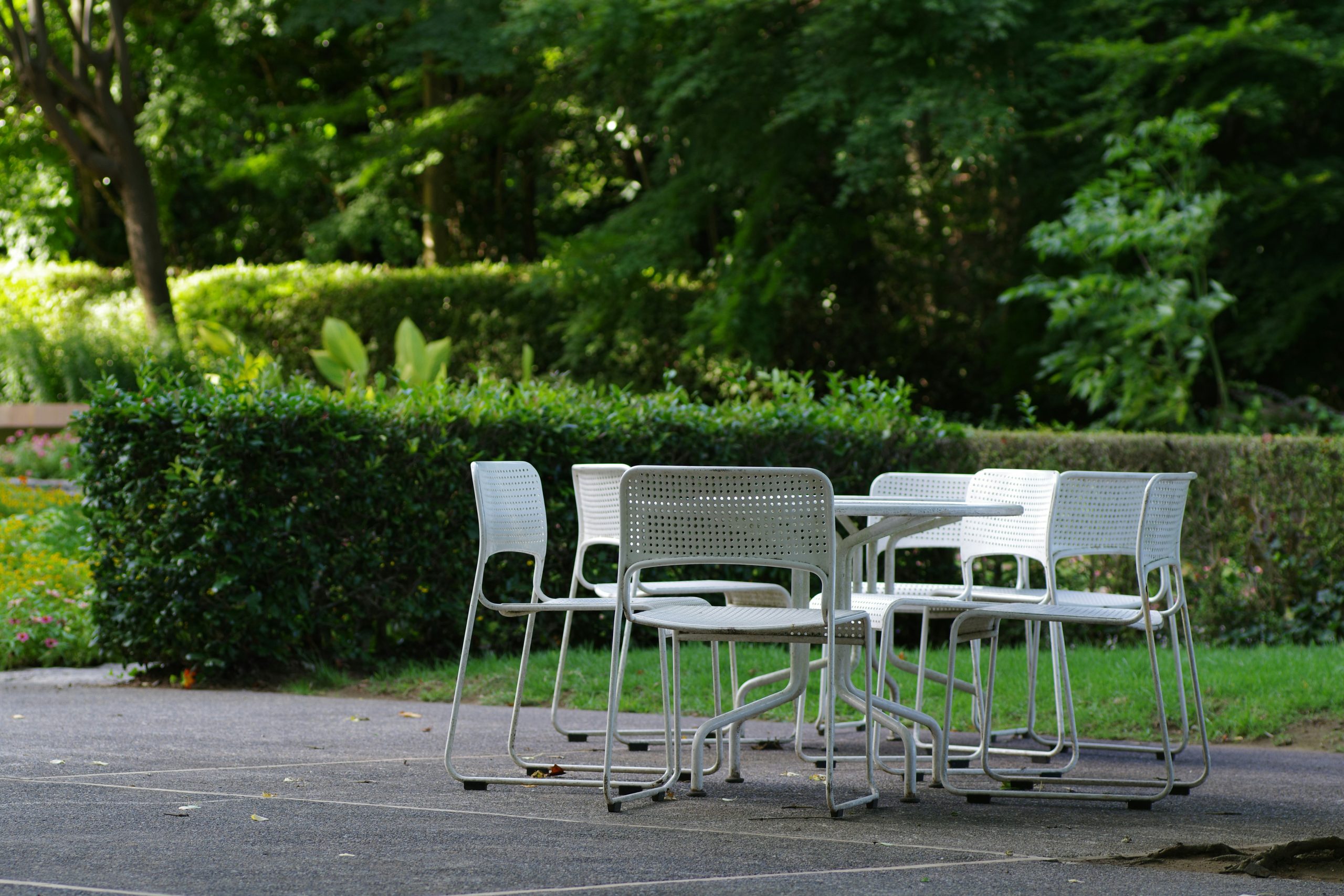
Image Credit: Unsplash
Autumn Clean-Up Essentials
As summer fades, the garden enters a beautiful but busy phase. Autumn is a season of tidying and preparing for the colder months ahead, and the work you do now will set your garden up for success next spring. The most iconic autumn task is, of course, dealing with fallen leaves. Rake them off lawns to prevent the grass from being smothered and collect them from borders. Instead of throwing them away, create a leaf mould pile in a quiet corner of the garden. Over a year or two, it will break down into a fantastic, free soil conditioner.
This is also the time to cut back herbaceous perennials as they begin to die back, although consider leaving some seed heads on plants like echinacea and rudbeckia to provide food for birds and interest through winter. It’s the perfect moment for planting spring-flowering bulbs like daffodils, tulips, and crocuses, which will bring that much-needed burst of colour after the long winter. If you have tender plants in pots, now is the time to move them into a greenhouse or a sheltered spot close to the house. Taking these steps to prepare your outdoor space ensures that when the cold weather hits, your garden is ready.
Winter-Proofing Your Garden
Winter in the garden is a time for protection and planning. While growth slows to a near standstill, there are still important jobs to do to safeguard your plants and structures from frost, wind, and rain. Start by protecting any vulnerable plants that cannot be moved indoors. You can wrap them in horticultural fleece or move pots against the warmth of a house wall. To prevent terracotta pots from cracking in the frost, raise them off the ground onto pot ‘feet’.
It’s also crucial to protect your garden infrastructure. Lag outdoor taps with insulating covers to prevent pipes from freezing and bursting. Disconnect your hose, drain it completely, and store it away in a shed or garage. Speaking of the shed, winter is a great time for a tool audit. Clean, sharpen, and oil your spades, forks, and secateurs so they are in perfect condition for spring. If you have a greenhouse, give the glass a good clean inside and out to maximise the low winter light for any plants you’re overwintering. Finally, don’t forget the wildlife. Keep bird feeders topped up and provide a source of fresh water, which can be a lifeline for birds when other sources are frozen. A bit of preparation can help you refresh your outdoor space much more easily when the weather warms up again.
A garden is a living, breathing space that evolves throughout the year. Tuning into its seasonal rhythms and tackling these small jobs helps you ensure it remains a source of pleasure and pride whatever the weather.
