Image Credit: Pexels
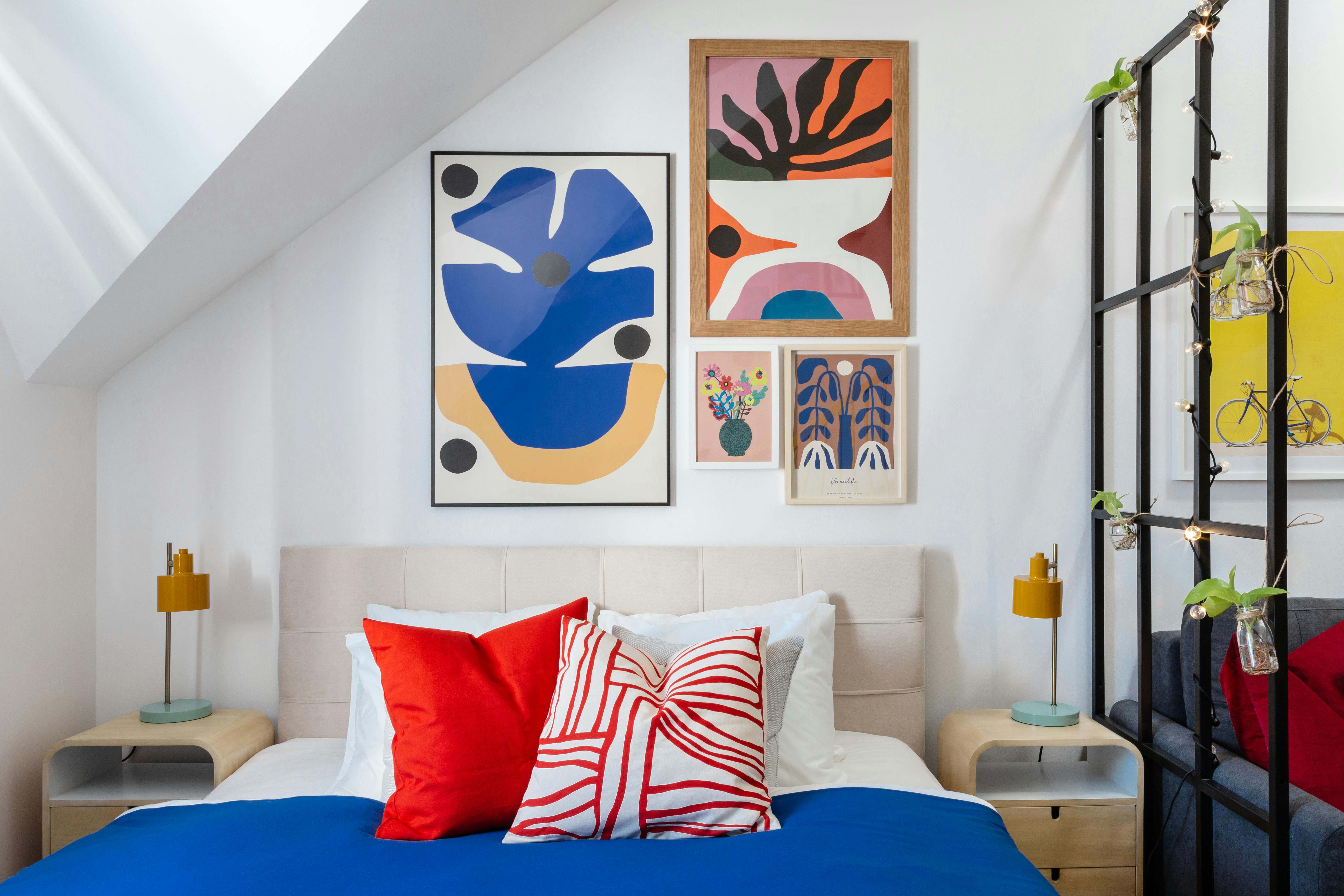
Colour can change how a room feels before you move a single piece of furniture. A cool blue bedroom may help the space feel restful, while a warm yellow kitchen can appear brighter on a grey morning. These effects are personal, though, so successful colour schemes reflect your routines, natural light and existing furnishings. If your home currently feels dull, busy or disconnected, thoughtful colour choices can create a more comfortable backdrop for everyday life.
Colour Psychology Basics
Colour psychology explores the way different hues may influence emotions, attention and perceptions of a space. The psychology of colour offers useful guidance, but it shouldn’t be treated as a rigid rulebook. Blue often feels peaceful, green has associations with nature, and red can bring warmth and intensity. Your own experiences will affect these responses.
Pay attention to saturation and brightness as well as hue. Soft sage and vivid emerald are both green, yet they create very different moods. Test several samples on separate walls, then view them in morning light, afternoon sun and under your evening lamps before deciding.
Creating Calming Spaces
Bedrooms, reading corners and living rooms usually benefit from colours that reduce visual strain. Muted greens, dusty blues and warm off-whites are dependable options, especially when paired with natural wood and softly textured fabrics. Limit the main palette to two or three related shades so the room feels settled.
Preparation affects the result as much as colour choice. Uneven surfaces or patchy coverage can make a quiet scheme look distracting. For larger projects, experienced painters and decorators can help with surface preparation, colour selection and achieving a consistent, lasting finish. If you’re painting yourself, repair small cracks, clean the walls and apply a suitable primer before opening the final colour.
Energising Your Work Areas
A home office needs enough energy to support concentration without becoming visually tiring. Deep teal, fresh green and controlled touches of yellow can bring definition to the room. If strong colour feels overwhelming, apply it behind your desk or inside shelving, leaving the other walls in a softer neutral, or give your home a colour in other ways.
Room orientation matters too. A cool north-facing office may feel more welcoming with a warm cream or pale clay, while a sunny room can comfortably carry cooler tones. The ideas in this guide to decorating your home office can help you connect colour with lighting, furniture placement and performance. Keep video-call backgrounds simple and use artwork or accessories for brighter accents that are easy to change.
Expert Colour Consultation
Professional advice can help when adjoining rooms need to flow together, several people have conflicting preferences, or expensive fixed features limit the palette. A consultant will usually consider daylight, artificial lighting, flooring and upholstery before suggesting a shortlist. Guidance on colour and mental health also shows why context and individual reactions deserve attention.
Prepare for a consultation by collecting photos of rooms you enjoy and noting what appeals to you in each one. Bring fabric samples or drawer fronts if possible. Explain how the room is used at different times of day, including any activities that require brighter task lighting. Those details produce more useful recommendations than naming a favourite colour alone.
Long-Term Impact on Mood
A good colour scheme supports daily routines quietly. You may find it easier to unwind in a low-contrast bedroom, stay focused in a clearly defined workspace or feel more sociable in a warm living area. Notice these practical responses during the first few weeks and adjust smaller elements before considering another full repaint.
Cushions, lampshades, rugs and framed prints make seasonal changes straightforward. Keep wall colours that continue to work and rotate accents when the room needs fresh energy. Most importantly, allow your preferences to take priority over short-lived trends. The shade that still feels comfortable on a dark winter afternoon and a bright summer morning is likely to serve your home well for years.