
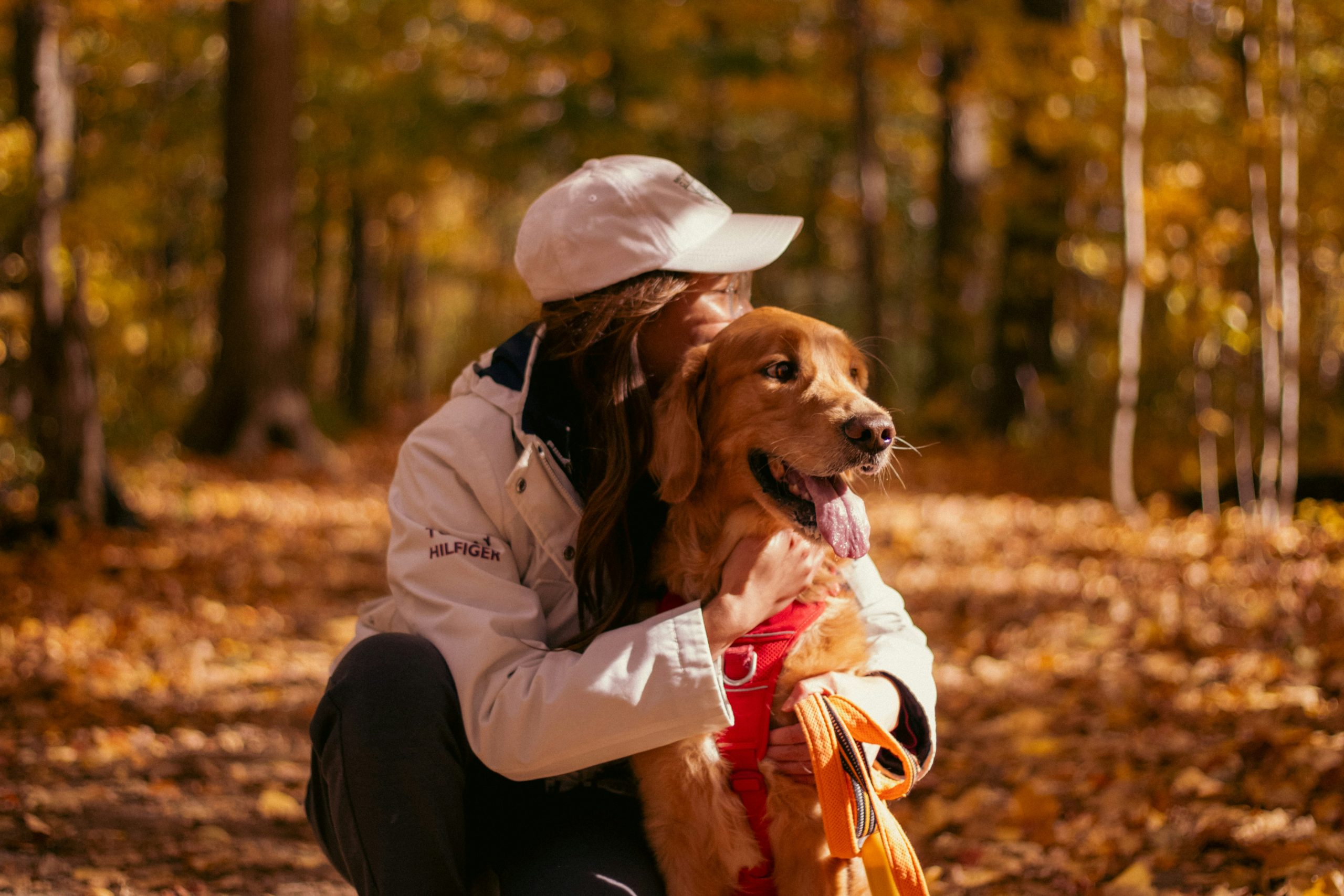
Bringing a pet into your home kicks off a wonderful friendship that just gets deeper and richer over the years. Whether it’s the wild energy of a puppy or kitten, or the calm company of an older animal, every stage has its own special joys and responsibilities. As their human, knowing how their needs change is super important for giving them a long, happy, and healthy life.
Looking after your pet throughout their whole life means you’ll need to adjust their care as they grow. Their food, how much exercise they get, and even how many cuddles they want will all shift. Keeping an eye on these changes helps you make sure your beloved friend feels comfy, safe, and loved from their very first day with you right up to their last. This guide will walk you through the different phases of your pet’s life, giving you practical tips for their wellbeing at every age.
Understanding Pet Life Stages
Just like us, pets go through clear life stages, and each one comes with its own unique growth and health considerations. While the exact timing can vary a bit depending on their breed and size (especially with dogs), the general journey is pretty similar for most cats and dogs.
- Puppy/Kitten (Birth to 6-12 months): This is the super-fast growth phase. It’s a crucial time for them to learn how to get along with others, get some basic training, and explore the world. Their bodies are developing quickly, so they need lots of energy and specific nutrients.
- Junior/Adolescent (6 months to 2 years): Your pet might be fully grown physically, but their mind is still catching up. Think of this as their teenage phase. They might test boundaries and have tons of energy that needs a good outlet.
- Adult (1-7 years): During this long stretch, your pet has really settled into their personality. The main focus shifts from growing to just keeping them healthy. Regular exercise, a balanced diet, and consistent preventative vet care are the cornerstones of their wellbeing.
- Mature/Senior (7+ years): As pets head into their golden years, you’ll probably start to notice them slowing down a bit. They might sleep more and be less active. Their health needs can get a bit more complicated, and they’ll benefit from more frequent vet check-ups and tweaks to their routine to keep them comfortable. For big dog breeds, they might even start showing signs of seniority as early as five or six years old.
Planning for Lifelong Vet Care
From their first vaccinations to those senior wellness checks, vet care is a constant throughout your pet’s life. Building a good relationship with a vet you trust is one of the most important things you can do as a pet owner. This partnership helps you stay ahead of potential health issues and gives you expert advice tailored to your animal’s specific needs.
In their younger years, vet visits mostly focus on prevention. This includes vaccinations, controlling parasites, and neutering. As your pet moves into adulthood, annual check-ups become super important for keeping an eye on their weight, dental health, and overall condition. These regular visits let your vet spot tiny changes that might point to an underlying problem before it gets serious.
As your pet gets older, their healthcare needs often become more frequent and complex. Age-related conditions like arthritis, kidney disease, or diabetes can pop up, needing ongoing management and medication. The costs that come with this can be a surprise, which is why planning ahead is so important. Looking into options like older pet insurance from Purely Pets can help you manage the financial side of their care, making sure you can make decisions based on their health needs rather than your budget. Planning ahead gives you the power to give them the best possible care in their golden years.
Tailored Nutrition for Optimal Health
What you put in your pet’s food bowl directly affects their energy levels, how shiny their coat is, and their long-term wellbeing. A pet’s nutritional needs aren’t fixed; they change a lot with each life stage. Giving them the right food at the right time is absolutely fundamental to their health.
For puppies and kittens, food is the fuel for incredible growth. They need diets packed with calories, protein, and specific nutrients like calcium to build strong bones and muscles. Look for foods made just for this life stage. As they become adults, their metabolism slows down. An adult diet should focus on keeping them at a healthy weight for pet wellness with a balanced mix of protein, fats, and carbs to support their energy without them getting too chunky.
As your pet enters their senior years, their dietary needs shift again. Many older pets are less active, so they need fewer calories to avoid obesity, which can put extra strain on their joints. Senior pet foods are often designed to be lower in calories but rich in fibre for good digestion, and might even have supplements like glucosamine for joint support. If you’re not sure about the best food for your pet, it’s always a good idea to ask your vet about nutritional counselling for pets. They can offer personalised guidance on balanced diets and help you navigate any special dietary needs that might come up with age or health conditions.
Exercise and Mental Enrichment
Staying active and keeping their minds busy are just as important as a good diet. A bored pet often turns into a destructive or anxious one, so keeping their body and mind engaged is key for a happy, well-behaved companion.
When they’re young, exercise is all about burning off that endless puppy or kitten energy and learning how to move. Play is also a great way to bond and train them. For adult dogs, daily walks, runs, or games of fetch give them essential physical exercise and sensory stimulation. Cats love interactive play with wand toys or laser pointers to satisfy their natural hunting instincts.
As your pet gets older, you’ll need to adjust how intense their exercise is. A senior dog might not be up for a five-mile run anymore, but they’ll still enjoy and benefit from shorter, more frequent walks. Swimming is another fantastic low-impact option for older dogs with stiff joints. For older cats, gentle play sessions can keep them limber. Just as important is giving them mental enrichment to keep their minds sharp. Puzzle feeders, scent games, learning new, simple tricks, and even suitable long-lasting chews can support their mental wellbeing and keep them engaged with the world around them.
Spotting Signs of Ageing
Seeing your once-bouncy companion start to slow down can be a bit emotional, but noticing the signs of ageing is the first step toward adjusting their care to keep them comfortable. These changes often happen gradually, so paying close attention to their daily habits is key.
Some of the most common physical signs of ageing include:
- Stiffness or Limping: You might notice your pet is slower to get up in the mornings or hesitates to jump on furniture. This could be a sign of arthritis.
- Changes in Weight: Some older pets gain weight because their metabolism slows down, while others might lose weight due to dental problems or not wanting to eat as much.
- Greying Fur: Especially around their muzzle, this is a classic sign of a distinguished older pet.
- Cloudy Eyes or Hearing Loss: You might notice their eyes look a bit hazy or that they don’t respond to their name as quickly as they used to.
- Dental Issues: Bad breath, trouble chewing, or dropping food can all point to dental disease, which is common in older animals.
Behavioural changes are also pretty common. Your pet might sleep more, seem less interested in playing, or become more anxious. Some older pets experience confusion or disorientation, a condition similar to dementia in humans. Spotting these signs early lets you chat with your vet about supportive care, from pain management for arthritis to creating a more predictable environment for a pet with cognitive decline.
Every year with a pet is a gift. Understanding and responding to their changing needs helps you make sure their entire life is filled with comfort, health, and happiness.
