
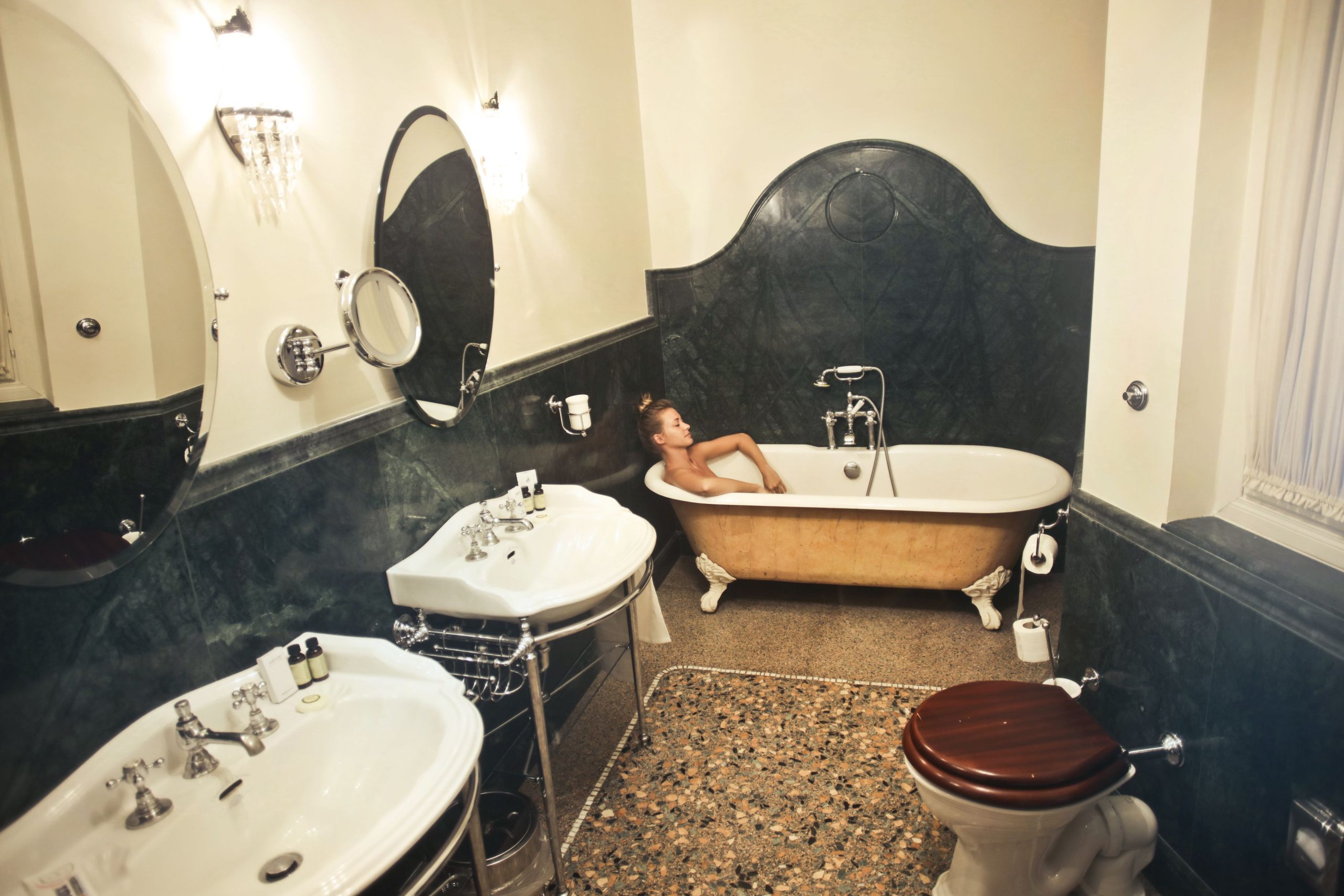
Image Credit: Pixels
When you’re dreaming up a new bathroom, it’s super easy to get lost in all those gorgeous Pinterest boards. The goal is often to create a spa-like retreat, a space that looks stunning. But sometimes, when we’re chasing that perfect aesthetic, we might accidentally overlook some simple design choices that actually make a huge difference in how safe the room is for our families.
Sure, a beautiful bathroom is lovely, but a safe one? That’s non-negotiable. If you think about safety right from the start of your project, you’ll end up with a finished space that’s just as practical and secure as it is stylish.
Slippery Surfaces and Flooring Faux Pas
Bathrooms are actually one of the most common spots for slips and falls at home, thanks to that combo of water, steam, and smooth surfaces. Many popular flooring choices, such as high-gloss ceramic or porcelain tiles, look absolutely fantastic in the showroom. But the moment they get wet, they become incredibly slippery. It’s the same story for most acrylic or enamel baths and shower trays.
A good quality non slip shower mat gives you essential grip right where you need it most, seriously cutting down the risk of a fall when you’re stepping in or out. When you’re picking out flooring, consider tiles with a textured, matt finish, or look for those with a specific anti-slip rating.
Poor Lighting and Electrical Placement
Good lighting isn’t just for setting a mood. A dimly lit bathroom can be a real hazard, making it tough to spot water on the floor or other things you might trip over. Your design should include different layers of light: bright overhead ambient lighting, plus focused task lighting around the mirror and vanity. Getting the electrical placement right is also super important. All fittings, from sockets to light fixtures, must comply with specific regulations for electrical installations in wet areas.
Sockets for shavers or electric toothbrushes must be a safe distance from baths and showers. And any light fittings within splash zones need to have the correct IP (Ingress Protection) rating to stop water from getting in. These are just some of the hidden dangers at home you should be aware of. Seriously, never be tempted to use standard household lamps or extension leads in a bathroom.
Inadequate Ventilation and Its Hidden Dangers
That steamy, foggy mirror might seem like just a minor annoyance, but it’s actually a sign of a bigger issue: poor ventilation. When moisture can’t escape, it clings to walls, ceilings, and grout, creating the perfect breeding ground for mould and mildew. Besides looking unsightly, this can have a significant impact on health, triggering allergies, asthma, and other breathing problems.
Investing in a properly sized, powerful extractor fan is one of the most important safety decisions you can make. Make sure it’s vented to the outside, and don’t forget to clean the filter regularly to keep it working efficiently.
Bad Layout and Clutter Zones
A poorly planned layout can create awkward tight spots and hazards. For example, a bathroom door that swings inwards could trap someone or block access if there’s an emergency. A shower door that opens out into a narrow walkway can create a trip hazard. And a toilet installed too close to a wall or vanity can be uncomfortable and difficult to use. If you don’t have enough organised space for toiletries, they inevitably end up cluttering surfaces, the edge of the bath, or even the floor. Using small bathroom storage ideas can help keep everyday essentials organised while freeing up valuable floor and surface space.
A bathroom that’s safe and works well is truly relaxing. Keeping these potential problems in mind while you’re planning helps you create a space that’s a secure and comfy haven for everyone in your home.
