
Image credit: Unsplash
A modern heating system should keep each room comfortable, suit the way you use your home, and avoid wasting energy. Yet the best option depends on more than the appliance itself. Insulation levels, room dimensions, installation costs, and the amount of control you want all affect the final choice.
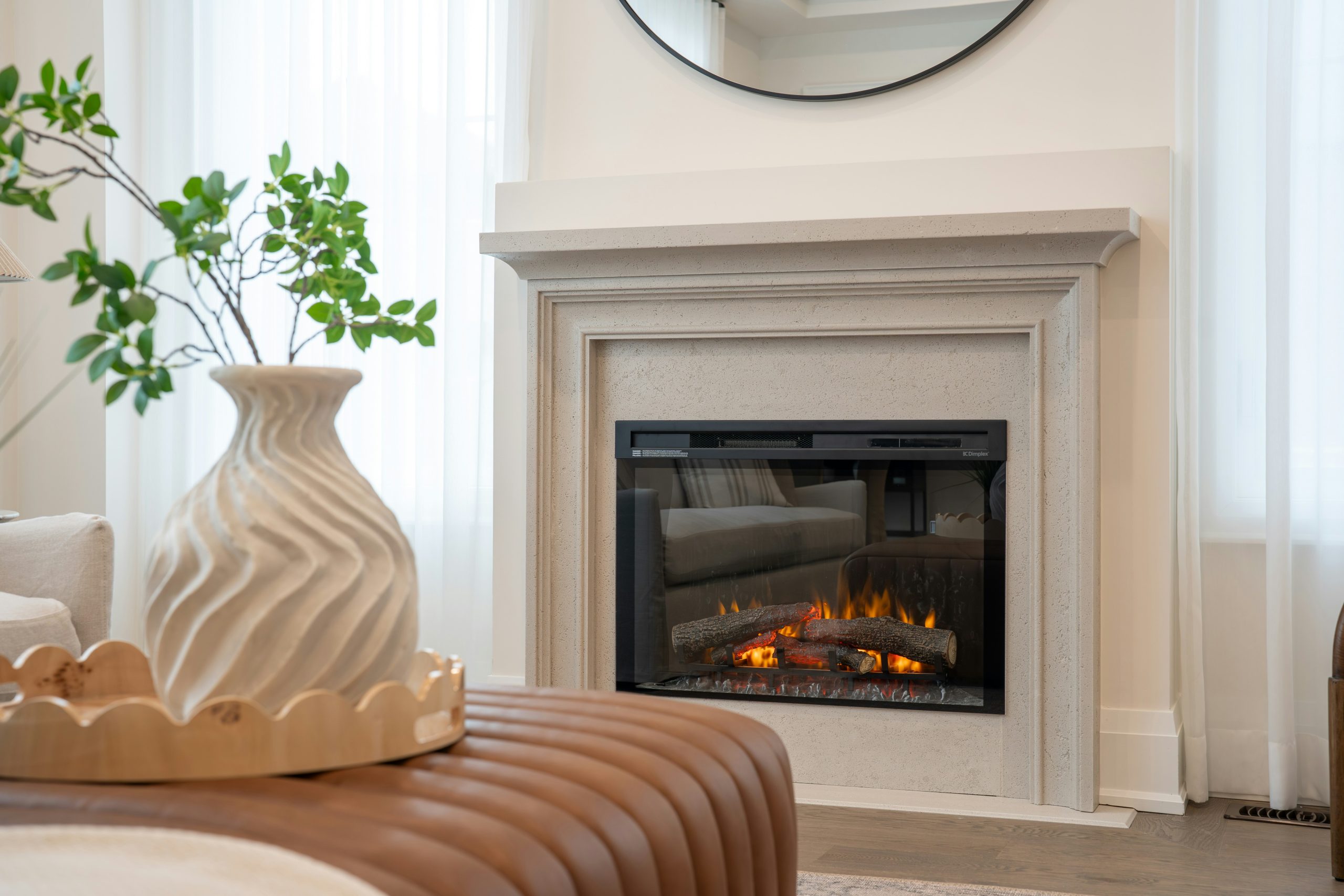
It also helps to separate whole-home heating from features designed to warm a particular room. A central system may handle everyday comfort, while a well-placed electric fire can provide quick local warmth and a welcoming focal point.
Understanding Home Heating Options
Most homes use either a central heating system or individual appliances, and some combine the two. Central systems distribute heat from one main source through radiators, underfloor pipes or ducts. Individual options, such as panel heaters and electric fires, warm specific spaces without supplying the rest of the property.
The basics of heating systems explain how forced-air, hot-water and electric arrangements differ. In a British home, the familiar setup is often a boiler connected to radiators, though heat pumps and electric systems are becoming more common. Underfloor heating can work well in kitchens, bathrooms and open-plan extensions because it spreads warmth across a broad surface.
Start with a room-by-room heat-loss assessment. Floor area matters, but so do ceiling height, glazing, external walls and draughts. A compact room with old single glazing may need more heat than a larger, well-insulated room.
Think about daily routines too. A home office used for eight hours may benefit from its own controllable heat source. A spare bedroom probably needs less frequent heating. Zoning allows you to set different temperatures and schedules, which can make a noticeable difference to comfort and running costs.
For major changes, ask a qualified installer to calculate the required heat output. Choosing equipment by appearance or room size alone can lead to slow warm-up times or unnecessary energy use.
The Appeal of Clean Heating
Electric heating is clean at the point of use. It produces no fumes inside the room, needs no fuel storage, and can be installed without a flue. That makes it useful in flats, newer homes and renovated spaces where structural changes would be difficult.
Controls are another advantage. Many current appliances include timers, thermostats and remote operation, allowing you to heat a room only when it’s occupied. For example, setting a home office heater to run from 8.30 am until 5 pm avoids heating that space all evening. Accurate controls also reduce the uncomfortable swings between an overheated room and one that has become too cold.
Electric appliances convert the electricity they use into heat within the room, but their running costs depend on the tariff and how long they operate. They often make most sense as local or supplementary heating. If your central heating already keeps most of the house comfortable, an electric feature can add warmth to the living area without raising the temperature everywhere else.
Clean operation still requires sensible placement. Keep vents clear, follow the manufacturer’s minimum clearances, and ensure the electrical supply suits the appliance’s rated load.
Modern Fireplace Solutions
A fireplace can now be part of the room’s architecture without requiring a traditional chimney or hearth. Slim electric models suit media units, shallow chimney breasts and fitted cabinetry, while freestanding designs offer more flexibility if you expect to rearrange the room later.
Homeowners planning a built-in entertainment area can compare electric fireplaces for media walls, including recessed, wall-mounted and built-in designs. Measure carefully before buying, and check the appliance dimensions, ventilation instructions and heat outlet position before finalising the surrounding structure.
Flame effects and heat functions can usually operate independently. This lets you create a soft visual glow during mild weather without warming the room. When heat is needed, common output settings allow you to choose a lower or higher level according to the room temperature.
If the fire will sit beneath a television, check where the warm air exits. A forward-facing outlet can help direct heat away from the screen, though the product instructions should always guide the final layout.
Cable management also deserves early attention. Power leads trailing across a finished wall spoil the effect and can create a trip hazard. Ask an electrician to position suitable sockets during the first stage of construction, where they remain accessible for inspection and maintenance.
Finally, view the flame effect in person or through a detailed product video when possible. Brightness, colour and movement vary between models. A subtle flame pattern may suit a calm, neutral living room, while a wider panoramic display can hold its own in a large open-plan space.
Efficiency and Environmental Impact
Efficiency begins with reducing the amount of heat your home loses. Loft insulation, well-sealed windows and draught-proofed doors help rooms stay warm for longer, allowing heating appliances to run less often. Curtains can reduce evening heat loss around windows, provided they don’t cover radiators or block heater vents.
The appliance must also suit the job. System performance depends on climate, energy source and the building itself. No single option delivers the lowest cost and environmental impact in every property.
Compare purchase price, installation work, expected lifespan and annual energy use. A cheap appliance that runs continuously may cost more over several winters than a better-controlled alternative. Ask installers for realistic consumption estimates based on your home’s heat demand, not the appliance’s maximum output alone.
Electricity’s environmental impact changes according to how the grid generates power. Households with solar panels may be able to use more self-generated electricity during daylight hours, though winter heating demand often peaks when solar generation is lower. Smart controls can help match heating periods to occupancy and suitable tariff times.
Maintenance matters as well. Keep vents free from dust, bleed water-filled radiators when needed, and arrange servicing at the recommended intervals. A system that responds properly to its thermostat wastes less energy and delivers steadier temperatures.
Integrating Heating into Design
Heating works best when it’s considered at the start of a room project. Radiators, underfloor zones, sockets and built-in fires all affect furniture placement. Leaving these decisions until the decorating stage can result in blocked heat sources or awkward cable routes.
Mark the position of sofas, doors, curtains and storage. Heat needs space to circulate, so avoid placing large furniture directly in front of radiators or fan-assisted appliances.
Materials can influence both appearance and performance. Stone, tile and engineered surfaces can create a crisp finish around a fireplace, but every surrounding material must meet the appliance maker’s specifications. Timber panels and decorative finishes may have stricter clearance requirements. If a television, speaker or games console sits nearby, allow airflow around the electronics and provide access for future repairs.
Colour also changes how prominent the heating feature feels. A dark insert against a pale wall creates a strong focal point, while a tonal surround gives a quieter, more integrated look. In a small room, a simple linear design can feel less imposing than a bulky projecting unit.
Before construction begins, confirm appliance measurements, electrical requirements, and ventilation details with the relevant trades. A full-size taped outline on the wall is surprisingly useful. It shows whether the feature aligns with the furniture and whether the screen will sit at a comfortable viewing height before any permanent work starts.
