
Is Solar Worth It in the UK? Solar panels used to feel like a strange choice in Britain. Something for early adopters with money to burn and a stretch of south-facing roof catching whatever weak sunshine the grey sky squeezed from itself. That said, things have changed.
Energy bills shot up after 2022 and never really came back down to where they sat before. Panel costs have dropped by roughly 60% over the past decade, and battery storage has finally reached a price point that makes sense for ordinary households.
So the question gets asked more often now, usually by people who’ve spent the last two winters watching their direct debit climb: Is it worth the upfront spend?
The honest answer is that it depends on the house, the roof, the household’s energy habits, and what the homeowner wants out of it. But for most properties in the UK, the maths has tipped in favour of installation.
Is Solar Worth It in the UK?
Solar Costs in 2026
A typical 4kW system, suitable for a three-bedroom semi-detached home, costs between £5,500 and £7,500 fully installed. Add a battery and the costs climb to £9,000 or £12,000, depending on storage capacity. Larger detached properties with bigger roofs and higher consumption often go for 6kW setups, pushing costs toward £15,000 with batteries included.
Those numbers can cause shock, which is fair. They’re not small sums. But the comparison that matters isn’t the upfront cost in isolation but the cost against twenty-five years of grid electricity at prices that have shown no real inclination to fall.
A household paying £1,800 annually for electricity will spend £45,000 over twenty-five years, assuming zero price increases, which is an assumption nobody believes. Solar typically covers 50 to 70% of a home’s electricity needs, with batteries pushing that figure higher by storing daytime generation for evening use.
Payback Periods Have Shortened Considerably
Five years ago, payback estimates of ten to fifteen years were standard. Now, most homeowners recoup their investment in 7 to 9 years, and some do so faster.
Three things drove this shift. Panel efficiency improved while manufacturing costs fell. Electricity prices roughly doubled. And the Smart Export Guarantee replaced the old Feed-in Tariff with rates from various suppliers that, while less generous than the original scheme, still pay homeowners for surplus electricity exported to the grid. Octopus Energy’s outgoing tariffs sit around 15p per kWh at the time of writing, which adds up over a year of generation.
After the payback period, the system continues to produce electricity for another 15 to 20 years. Modern panels carry 25-year performance warranties, with output guaranteed at 80-87% of original capacity by year 25. Inverters typically need replacing once during the system’s life, usually around year 12 to 15, at a cost of roughly £800 to £1,500.
Finding the Right Installer Matters More Than the Panels Themselves
Most decent panels on the market today perform within a narrow band of each other. The variable that actually determines whether a system works as advertised is the quality of the installation. Bad mounting causes leaks. Undersized cabling loses generated power as heat. Poor inverter placement shortens equipment life.
This is where research pays off. Reputable solar panel installers hold MCS certification, required to access the Smart Export Guarantee, and are members of either RECC or HIES for consumer protection. Beyond the credentials, the more useful indicator is how an installer behaves during the quote process. Genuine professionals visit the property, assess the roof structure, ask about household energy consumption patterns, and produce a written proposal with specific equipment listed by manufacturer and model.
Three quotes are the rough minimum. Five is better if the homeowner has the patience for it. Prices for comparable systems can vary by £3,000 between installers covering the same postcode.
Roof Suitability Is Non-Negotiable
South-facing roofs at a 30 to 40 degree pitch produce optimal output, but east and west-facing arrangements still generate around 80% of southern yields. North-facing slopes are generally not viable. Heavy shading from chimneys, neighbouring buildings, or mature trees can reduce generation considerably, though optimisers and microinverters can recover some of those losses.
Roof condition matters too. Slate or tile roofs in poor repair should be sorted before installation, since lifting panels to access the membrane underneath is expensive and disruptive. Most installers will flag this during the survey, but it’s worth checking the roof’s age and condition before committing.
What Homeowners Often Don’t Hear About
Solar isn’t maintenance-free. Panels need cleaning every few years, particularly if they’re in a low-pitch position where rain doesn’t effectively sluice debris away. Bird-proofing around the array prevents nesting underneath, which damages cables and creates a mess.
Insurance premiums occasionally rise slightly after installation, though most insurers now treat solar as standard. Building regulations approval comes through the installer’s MCS certification, but homeowners in conservation areas or listed buildings face additional planning hurdles.
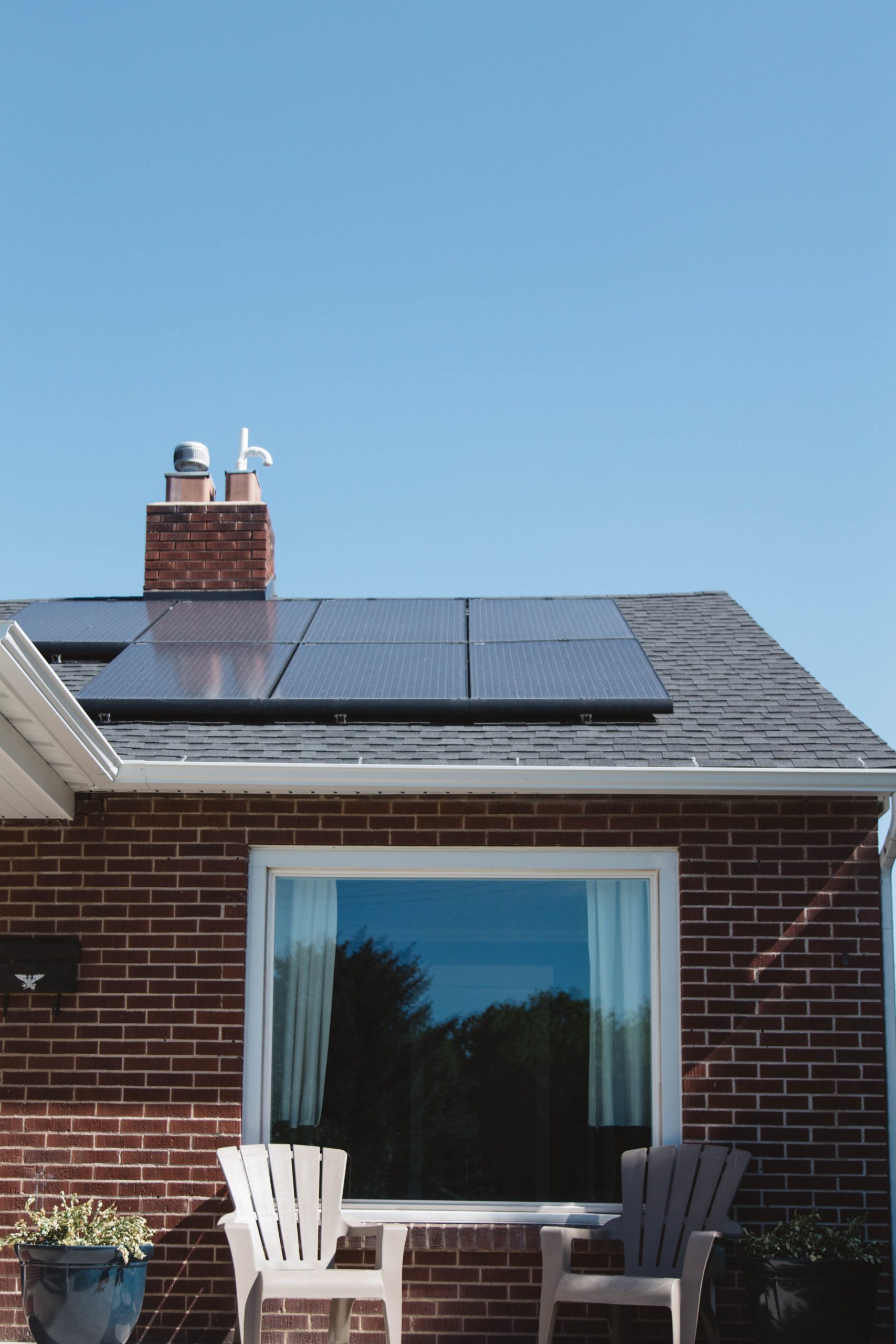
For the right property and household, solar in the UK has become a sensible financial decision. The technology works, and so do the numbers.
