
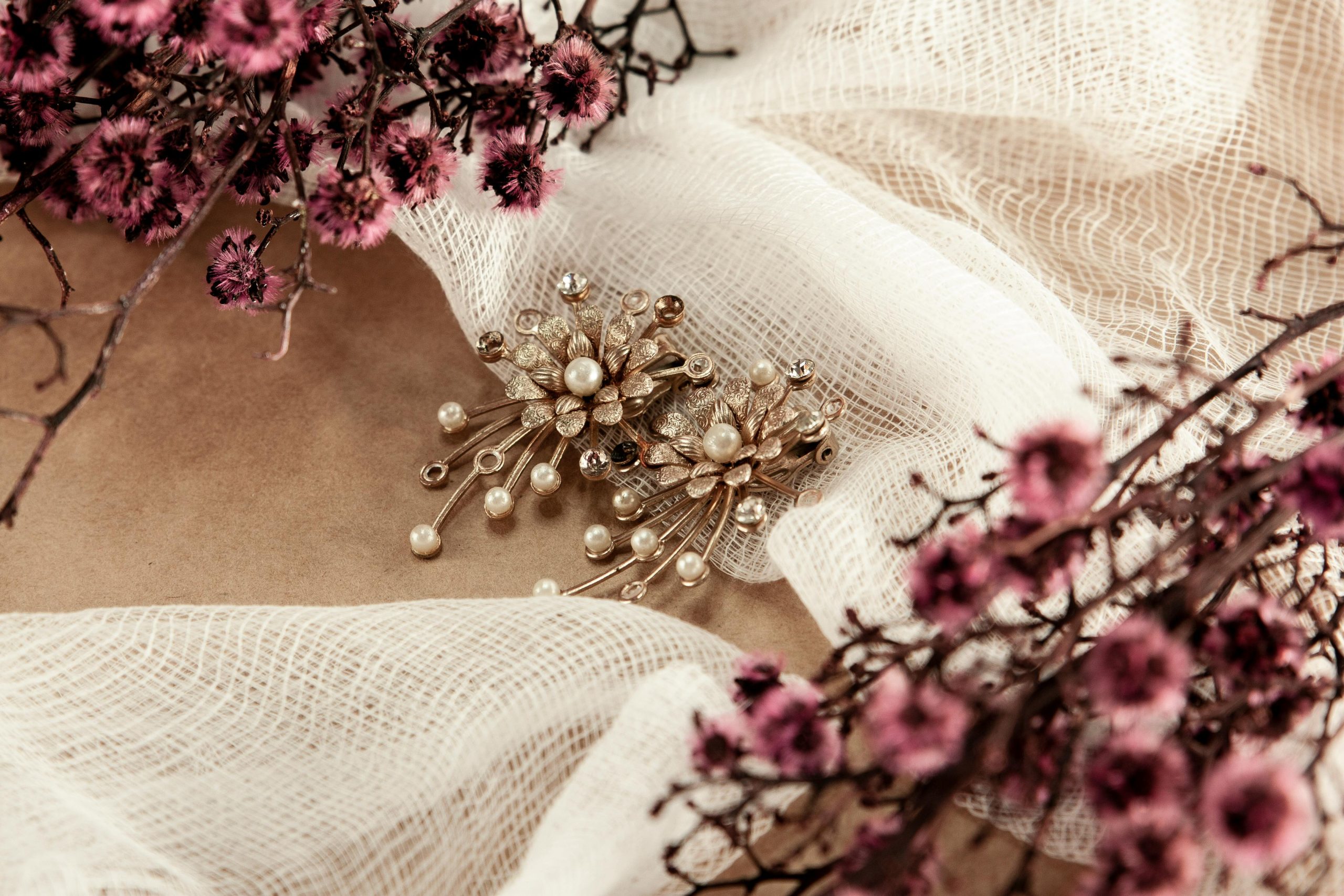
Antique jewellery, it’s fair to say, has seen a lot. It’s been around for a while, and regardless of how you acquired it, there’s going to be some history that comes with it, not to mention a certain level of fragility. As jewellery gets older, even with the best care and attention, it can start to succumb to the rigours of wear and become more delicate than it once was.
The last thing you want to be doing is making mistakes when you’re caring for it, and knowing how best to care for antique jewellery can mean it lasts even longer, maintaining its excellence so you can continue to enjoy it for many more years.
Let’s take a look at some ways you can protect your antique jewellery.
Clean Properly
Warm water with the smallest drop of washing-up liquid is often recommended for cleaning jewellery, especially antique pieces. You need a really soft brush, either a toothbrush or a specific jewellery cleaning brush, to remove buildup or dirt from around the stones and the settings.
Work slowly and methodically, and pay attention to the differences in the parts of the item so you don’t cause any damage during cleaning. From here, rinse thoroughly and pat dry with a soft cloth before leaving it to dry.
Never use ultrasonic cleaners on antique jewellery; these cleaners use vibrations in the cleaning process, which can loosen stones from their settings and damage fragile gems. Plus, the chemicals can strip patina on the jewellery, and that’s what gives it its character, so you want to retain that. Not to mention, it can also damage organic materials, rendering the piece permanently damaged.
Store Each Piece Separately
Metal on metal can cause damage to any jewellery stored together. But when you’re preserving antique jewellery, the damage can be more severe due to the age, condition and metal type of the piece. Harder stones can also scratch softer ones, and this can cause serious damage to older jewellery that may be of a different standard to modern pieces, especially.
The protection you need here is to protect each piece individually by wrapping it in a soft cloth or pouch and placing it somewhere that doesn’t come into contact with anything else, like in a jewellery box with separate compartments.
Keep the box or storage option away from direct sunlight and temperature fluctuations, i.e., radiators or by windows and do not store it in a bathroom.
Keep it somewhere cool, dry and away from areas of fluctuating humidity for optimal care and protection.
Keep Away From Chemicals
Chemicals can ruin antique jewellery in seconds. The last thing you want is for anything to come into contact with any type of chemical. This means from perfumes, hairspray, creams or cleaning products. So you need to be removing anything before applying or using products of this nature, then waiting until it’s not fresh on the skin or you’ve cleaned up to wear the piece again.
The rule is simple here: jewellery goes on last, regardless of anything else, and comes off first when you get home or change your activities for the day. This is a rule you need to apply to all jewellery, not just antique pieces, although it is especially important for older items.
Handle It Less
The last thing antique jewellery needs is to be overhandled. The oils from your skin will transfer to the metal and stones every time you touch or wear it, and this accelerates the tarnishing and dulling of the stones. If you wear your antique jewellery regularly, then you need to be cleaning frequently using the methods mentioned in the above point. Then store them correctly to prevent further damage from this, too. And avoid taking them out unnecessarily and handling them too much. The more you touch them, the more chances there are for damage to occur and for it to be rendered unwearable.
Insure It Properly
Your standard home contents insurance does not automatically cover antique jewellery; you’ll likely need to declare it specifically. This could mean you need to pay higher premiums or you need a separate cover entirely.
If your home insurance policy has an upper limit for jewellery items, then you need to make sure the value falls under this, or you have the appropriate additional cover.
Get your piece valued by a specialist and get an accurate valuation for the piece you own. This way, you can submit it to the insurance company for the correct coverage, so if anything happens to it, you can be covered for its loss or for repairs to restore it back to its original condition.
Avoid Excessive Restoration
Over time, it might be apparent that any jewellery you own needs restoration, either for damage or simply because it succumbs to age and wear. But there’s a fine line between conservation, which stabilises a piece and prevents further damage and deterioration, and restoration, which attempts to return it to its original condition.
Over restoration, which is the process of removing patina, replacing stones with modern equivalents, or re-engraving worn detail, destroys the evidence of age that gives antique jewellery its value and character. Do the absolute minimum here in terms of restoration and try to stick to conservation as much as possible.
Get it Checked Regularly
Having your items checked by a specialist jeweller can give you peace of mind over their condition and help you avoid issues like stone loss as you missed a damaged setting or the metal cracking as it’s too worn. Finding out the era your antique jewellery is from can help you find the right expert to check and assist you in preservation of the piece moving forward to give you peace of mind.
There are many ways you can protect your antique jewellery, and these are just a few of the tips that can put you in a good position to be able to deliver the care necessary for it.
