
50 Kinds of Junk to Save for Your Junk Journal – so you never get stuck for ideas!
If you love junk journaling, you probably already know one of the biggest secrets of this creative hobby: the most meaningful supplies are often the things other people throw away.
A torn envelope, an old receipt, a coffee sleeve, a paper tag from a new sweater, or a beautiful piece of packaging can become the perfect addition to a journal page. Unlike expensive craft supplies that are made to look vintage or handmade, real-life scraps already carry something impossible to recreate—history.
In 2026, junk journaling continues to grow as more people embrace slow living, mindful hobbies, creativity, and sustainable crafting. After years of digital overload, many people are rediscovering the joy of making something physical with their hands. A junk journal offers a simple way to slow down, document memories, experiment with creativity, and transform ordinary objects into something beautiful.
The best part? You don’t need a huge craft budget to get started.
Your home, handbag, kitchen drawer, office, and recycling bin are filled with potential junk journal treasures. The challenge is knowing what is worth saving and what will actually be useful when creating your pages.
This ultimate list of 50 kinds of junk to save for your junk journal will help you build a creative stash full of interesting textures, colours, memories, and inspiration. Whether you’re a beginner creating your first journal or an experienced artistic journal maker looking for fresh ideas, these everyday items can help you create pages that feel personal and unique.

Why Saving Junk Is Essential for Junk Journaling
Junk journaling is about more than aesthetics. It’s memory keeping, creative play, and self-expression rolled into one. The scraps you save hold emotional weight. A receipt remembers a day out. An envelope carries a letter. A food wrapper recalls comfort or celebration.
In 2026, junk journaling trends focus heavily on sustainability, reuse, and authenticity. Using what you already have is not only eco-friendly but also makes your journal deeply personal. Every piece of saved junk becomes a storytelling tool.
50 Kinds of Junk to Save for Your Junk Journal
Paper and Mail Junk to Save
Paper-based junk forms the backbone of most junk journals. These items are easy to store and endlessly versatile.
-
Receipts from cafés, shops, or travel days
-
Old envelopes, especially handwritten ones
-
Letters or notes sent by post
-
Brown paper packaging from online orders
-
Wrapping paper scraps
-
Tissue paper from gifts
-
Gift tags
-
Thank you cards
-
Old greeting cards
-
Address labels
These pieces work well for background layers, pockets, or hidden journaling spots. Even plain paper gains character once torn, inked, or layered.
Printed and Vintage-Style Paper
Printed materials add visual interest and a nostalgic feel, which is hugely popular in 2026 junk journal aesthetics.
-
Magazine pages
-
Newspaper clippings
-
Pages from damaged books
-
Sheet music
-
Maps or travel guides
-
Flyers and leaflets
-
Event programmes
-
Menus from cafés or restaurants
-
Postcards
-
Old calendars
These items are ideal for collage-style spreads, themed pages, or mood boards. Mixing modern receipts with vintage-style paper creates contrast and depth.

Fabric and Texture Junk
Texture is what transforms flat pages into tactile, interesting spreads. Fabric-based junk adds softness and dimension.
-
Fabric scraps
-
Lace or trim
-
Ribbon from gifts
-
Buttons
-
String or twine
-
Paper doilies
-
Wallpaper samples
-
Old sewing patterns
-
Napkins with patterns
-
Baking paper or parchment
In 2026, slow crafting trends favour tactile experiences, making textured junk especially popular.
Personal and Memory-Based Junk
These items turn your junk journal into a true memory book.
-
Printed photos
-
Photo booth strips
-
Screenshots printed from messages or notes
-
Children’s drawings
-
Doodles or sketches
-
To-do lists
-
Old planners or diaries
-
Notes from school or work
-
Business cards
These scraps anchor your journal in real life, making it meaningful rather than decorative only.
Everyday Packaging Junk
Packaging is one of the most overlooked junk journal supplies, yet it offers typography, colour, and structure.
-
Coffee cup sleeves
-
Tea bag wrappers
-
Food packaging with interesting fonts
-
Wine or drink labels
-
Seed packets
-
Instruction leaflets
-
Stamps
-
Paper coasters
-
Clothing tags
-
Old stickers or washi tape scraps
In 2026, typography-led journaling and branding aesthetics are trending, making packaging scraps especially valuable.
How to Store Junk Without Creating Clutter
Saving junk doesn’t mean keeping everything. The key is intentional collecting. Use one box, tray, or large envelope and limit yourself to that space. When it’s full, curate. Keep what sparks ideas and release the rest.
Many junk journalers create categories such as paper, fabric, and memories. This makes journaling sessions easier and prevents decision fatigue.
How This Helps Your Creativity
When you have a ready-made stash, you’re more likely to journal spontaneously. You don’t need to plan, shop, or overthink. You simply open your journal and start layering.
This ease is why junk journaling is often recommended for mental health, mindfulness, and creative confidence. It removes pressure and replaces it with play.
Junk Journal Supplies You Already Have at Home
One of the reasons junk journaling has become so popular is that you don’t need a dedicated craft budget to begin. Many of the most interesting materials are already hiding in everyday places around your home.
Before buying new supplies, take a look through drawers, cupboards, and recycling bins. You may be surprised by how many useful pieces you already own.
Some unexpected places to find junk journal treasures include:
Your Office or Workspace
Office items often have the perfect vintage and functional look for journal pages.
Look for:
- Sticky notes
- Old folders
- Paper clips
- Planner pages
- Printed documents
- File labels
- Packaging from stationery
- Old notebooks
These items work especially well for creating practical journal elements such as pockets, tabs, flip-outs, and writing spaces.
Your Wardrobe
Clothing often comes with beautiful little details that are perfect for creative projects.
Save:
- Clothing labels
- Brand tags
- Spare buttons
- Fabric offcuts
- Ribbon from packaging
- Care labels with interesting designs
These small details add personality and texture without needing expensive craft materials.
Your Bathroom and Beauty Products
Many beauty and self-care products come with attractive packaging.
Consider saving:
- Perfume boxes
- Cosmetic labels
- Product cards
- Sample packaging
- Decorative paper inserts
These pieces can add elegant details to themed journals, especially self-care, beauty, or feminine-style pages.
Make Themed Journal Pages
Instead of using random items, try creating pages around a specific feeling or memory.
Popular themes include:
- Garden journal pages
- Travel memories
- Seasonal spreads
- Coffee shop moments
- Family memories
- Reading journals
- Nature-inspired pages
A theme helps bring different scraps together into a connected design.
Turn Scraps Into Embellishments
Small pieces that seem too insignificant can become useful details.
Try using:
- Torn paper edges
- Tiny labels
- Small fabric pieces
- Word cut-outs
- Packaging details
Sometimes the smallest pieces create the most interesting layers.
Why Junk Journaling Will Keep Growing in 2026
As digital burnout rises, offline creative hobbies are becoming essential rather than optional. Junk journaling offers a low-cost, low-pressure way to process emotions, document life, and create something tangible.
Saving everyday junk fits perfectly with sustainability goals, slow living values, and the desire for authenticity. Your journal becomes a visual diary of real life, not a curated highlight reel.
Common Junk Journaling Mistakes Beginners Make
Although junk journaling is a relaxed hobby, beginners often run into a few common challenges.
Saving Too Much
It can be tempting to keep every scrap of paper, but too many supplies can become overwhelming.
Focus on collecting items that:
- Inspire ideas
- Have interesting textures
- Hold memories
- Fit your preferred style
Trying to Copy Other Creators
Social media can provide amazing inspiration, but every journal does not need to look the same.
Your own handwriting, memories, imperfect pages, and personal choices are what make your journal special.
Waiting for the Perfect Moment
Many people collect supplies for months but never start creating.
The best way to improve is simply to begin. A messy first page is better than a perfect journal that never gets made.
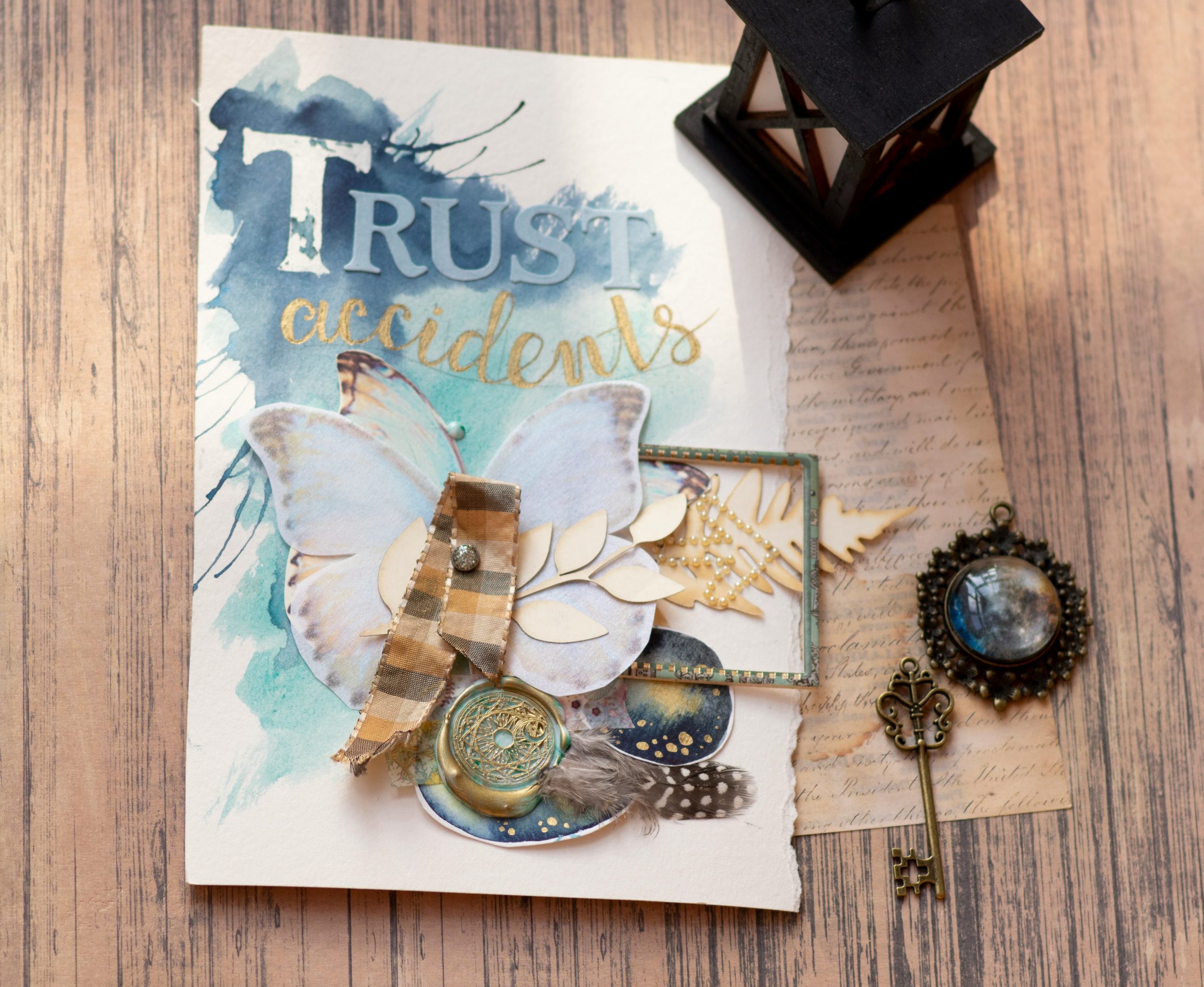
Why Junk Journaling Makes a Meaningful Gift
A handmade junk journal can be a thoughtful gift because it contains time, creativity, and personal effort.
Ideas include:
- Memory journals for family members
- Travel journals for friends
- Recipe journals
- Gratitude journals
- Birthday keepsake books
- Wedding memory journals
Unlike store-bought gifts, handmade journals carry a personal connection that cannot be replicated.
How to Keep Your Junk Journal Supplies Fresh and Inspiring
Creative hobbies are easier to enjoy when your materials continue feeling exciting.
Every few months, try refreshing your collection by:
- Rearranging your storage
- Removing items you no longer love
- Creating a seasonal supply box
- Organising by colour or theme
- Displaying favourite pieces where you can see them
A simple refresh can make old supplies feel completely new again.
Final Thoughts on 50 Kinds of Junk to Save for Your Junk Journal
The best junk journals are not created from expensive supplies or perfectly matching collections. They are created from moments, memories, and the little details of everyday life.
The receipt from your favourite coffee shop, the envelope from a special letter, the packaging from a gift, or the tiny paper scrap you almost threw away can all become meaningful pieces of your story.
That is what makes junk journaling so special.
It teaches you to look at ordinary things differently. Instead of seeing waste, you begin seeing possibilities. Instead of collecting random supplies, you begin collecting memories.
Whether you prefer vintage journals, botanical pages, travel themes, minimalist designs, or colourful collage styles, the materials around you already provide endless inspiration.
Start small. Save what catches your eye. Create without worrying about perfection.
Your future self may look back through those pages and discover something far more valuable than a beautiful journal—you’ll discover pieces of your life preserved in a way that only you could create.
Further reading
Buy your journal here
The ultimate junk journaling guide
