
Why You Should NOT Embrace the Yellow Paint Trend – listen up!
Scroll through Pinterest, Instagram, or the latest interior design magazines, and you’ll quickly notice one color appearing everywhere: yellow. From buttery creams and golden ochres to bold mustard and sunflower shades, yellow has become one of the most talked-about paint trends of 2026. Designers praise it for bringing warmth, personality, and optimism into the home, while influencers showcase bright kitchens, cheerful living rooms, and sunny home offices that appear effortlessly stylish.
At first glance, it’s easy to understand the appeal. Yellow is associated with sunshine, happiness, creativity, and energy. After several years dominated by cool greys and minimalist white interiors, many homeowners are understandably looking for something warmer and more inviting.

Yellow accessories can be a better option!
But social media doesn’t always show the whole picture.
The reality is that paint looks very different in everyday homes than it does in carefully edited photographs. Lighting, room size, furniture, flooring, and even the direction your windows face can dramatically change how a paint color appears. What seems bright and welcoming online may feel overwhelming, dated, or surprisingly difficult to live with once it’s covering four walls.
Unlike cushions, artwork, or decorative accessories, paint isn’t something most people change every few months. Repainting an entire room requires time, money, and effort, which is why choosing a timeless color matters far more than simply following the latest trend.
Before committing to yellow paint, it’s worth understanding both the advantages and the drawbacks. While there are certainly situations where yellow works beautifully, there are also plenty of reasons why professional interior designers use it much more sparingly than social media might suggest.
If you’re considering painting your walls yellow in 2026, here’s why you may want to pause before opening that paint can.

Why You Should NOT Embrace the Yellow Paint Trend
Yellow Paint Is Harder to Live With Than You Think
Yellow is one of the most emotionally stimulating colors on the spectrum. While small doses can feel energizing, large areas of yellow—especially on walls—can cause visual fatigue over time.
Many homeowners report that yellow rooms feel:
- Overly bright or harsh
- Stressful rather than uplifting
- Difficult to relax in, especially in bedrooms and living spaces
Design trends come and go, but wall color is something you live with every day. What feels cheerful at first can quickly turn into irritation.
Why Yellow Paint Became So Popular
Like many home décor trends, yellow didn’t become popular overnight. It reflects a broader movement toward warmer, more comforting interiors that feel welcoming rather than sterile.
Several factors have contributed to its popularity:
- A shift away from cool grey interiors.
- Increased interest in vintage and cottage-inspired decorating.
- Social media promoting colorful, personality-filled homes.
- Growing popularity of earthy, nature-inspired color palettes.
- Homeowners looking for cheerful spaces after years of neutral minimalism.
While these trends have encouraged people to experiment with color, that doesn’t necessarily mean every trend will stand the test of time.
Yellow Is Extremely Lighting‑Dependent
One of the biggest problems with yellow paint is how dramatically it changes under different lighting conditions. Natural light, artificial bulbs, shadows, and even the time of day can completely alter how yellow appears.
In many homes, yellow paint can suddenly look:
- Sickly or muddy in low light
- Neon or blinding in bright light
- Greenish or dull depending on undertones
This makes the yellow paint trend one of the hardest colors to get right, even for experienced designers.
It Dates Your Home Faster Than Neutral Colors
Trendy colors age quickly, and yellow is no exception. What’s popular now may scream “early 2020s” just a few years from now.
Unlike timeless neutrals—such as warm whites, greiges, or soft earth tones—yellow walls often feel tied to a very specific trend cycle. This can:
- Make your space feel outdated faster
- Reduce long‑term appeal
- Create extra work and expense when repainting becomes inevitable
Yellow Paint Is Difficult to Decorate Around
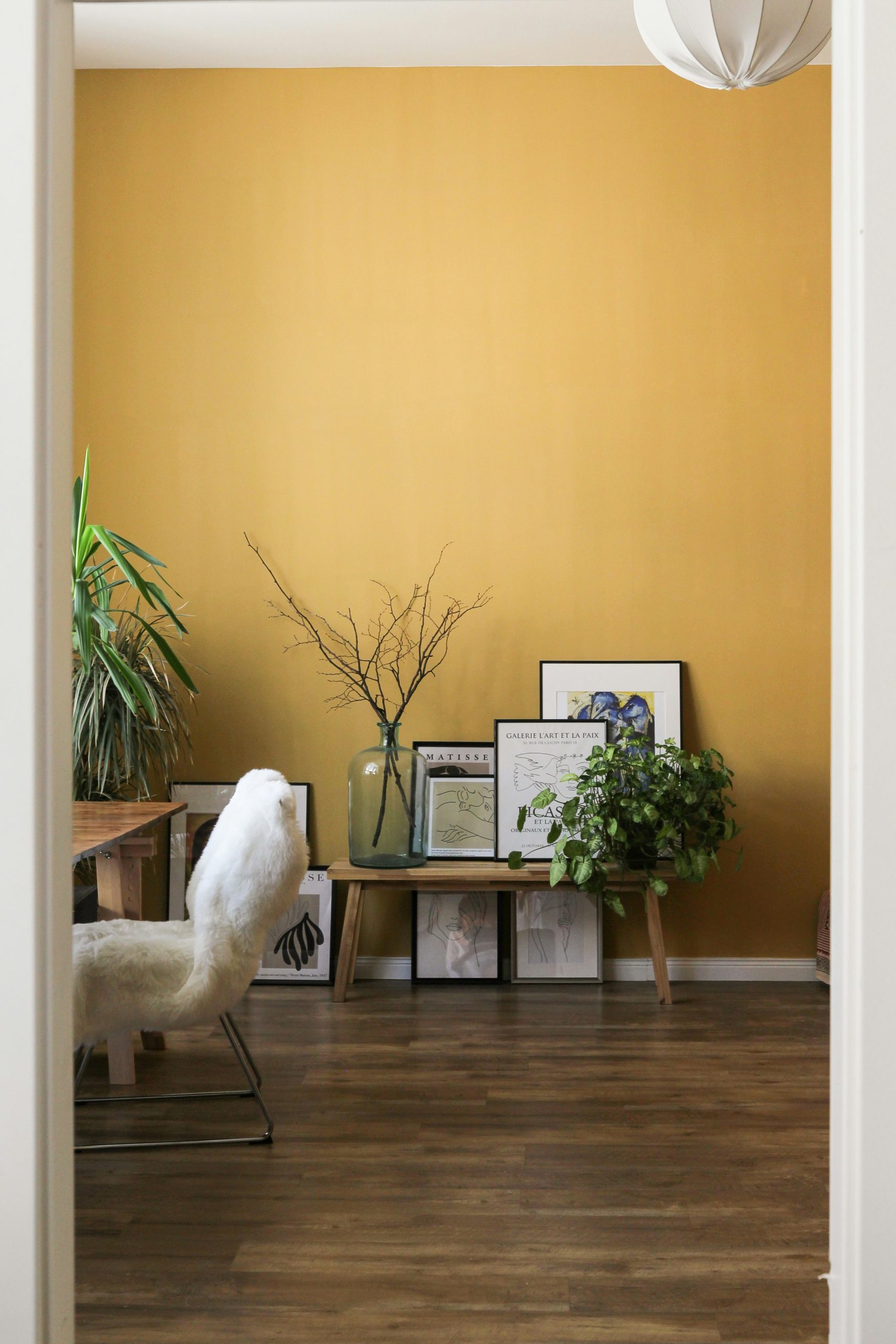
Yellow dominates a room. Once it’s on the walls, it heavily influences every other design choice.
Homeowners often struggle to:
- Match furniture and textiles
- Find artwork that doesn’t clash
- Balance warmth without creating visual chaos
Instead of acting as a backdrop, yellow becomes the main character—and not always in a good way.
It Can Negatively Affect Mood Over Time
While yellow is associated with happiness, studies in color psychology suggest that overexposure to bright yellow can increase agitation and anxiety. This is especially true in spaces meant for rest, focus, or calm.
This is why yellow works best in small accents, not as a full‑room commitment.
Better Alternatives to the Yellow Paint Trend
If you’re drawn to warmth and brightness, consider these more livable options:
- Soft cream or ivory for warmth without glare
- Warm beige or greige for timeless appeal
- Muted clay, sand, or linen tones
- Pale sage or olive for a natural, calming feel
These colors provide longevity, flexibility, and comfort—without the risks yellow brings.
Who Should Avoid Yellow Paint?
Yellow may not be the best choice if:
✔ Your room receives limited natural light.
✔ You plan to sell your home within a few years.
✔ You prefer calm, relaxing interiors.
✔ Your furniture already has strong warm tones.
✔ You’re unsure about committing to bold colors.
In these situations, softer neutrals usually provide greater flexibility and longer-lasting appeal
Better Ways to Introduce Yellow Into Your Home
If you genuinely love yellow, you don’t have to avoid it entirely.
Instead of painting every wall, consider using yellow through:
- Throw pillows
- Lampshades
- Artwork
- Fresh flowers
- Decorative ceramics
- Blankets
- Accent chairs
- Table runners
This allows you to enjoy the cheerful feel of yellow without committing to a color that’s expensive to reverse.
Frequently Asked Questions
Is yellow paint still in style in 2026?
Yes, but mainly in softer, muted shades. Bright, saturated yellows are already becoming less common as designers move toward earthy neutrals and natural color palettes.
What color is replacing yellow in 2026?
Many homeowners are choosing warm creams, mushroom beige, clay, greige, soft olive, and linen-inspired neutrals instead. These colors offer warmth while remaining timeless and easier to decorate with.
Which rooms should not be painted yellow?
Bedrooms, television rooms, and spaces intended for relaxation often aren’t ideal for bright yellow because the color can feel overly stimulating. It generally works better as an accent than a dominant wall color.
Does yellow paint reduce home value?
Not necessarily, but bold wall colors can make it harder for buyers to picture themselves living in a space. Neutral colors typically appeal to a wider range of people and may require less repainting before selling.

Final Thoughts: Trend Carefully
Trends should inspire, not trap you. While yellow paint may look stunning on Instagram, real homes demand colors that age well, adapt to changing light, and support everyday living.
Before embracing the yellow paint trend, ask yourself: Will I still love this in five years? If the answer isn’t a confident yes, you may want to keep yellow where it belongs—in accents, not on your walls.
Read more about trends not to follow here
