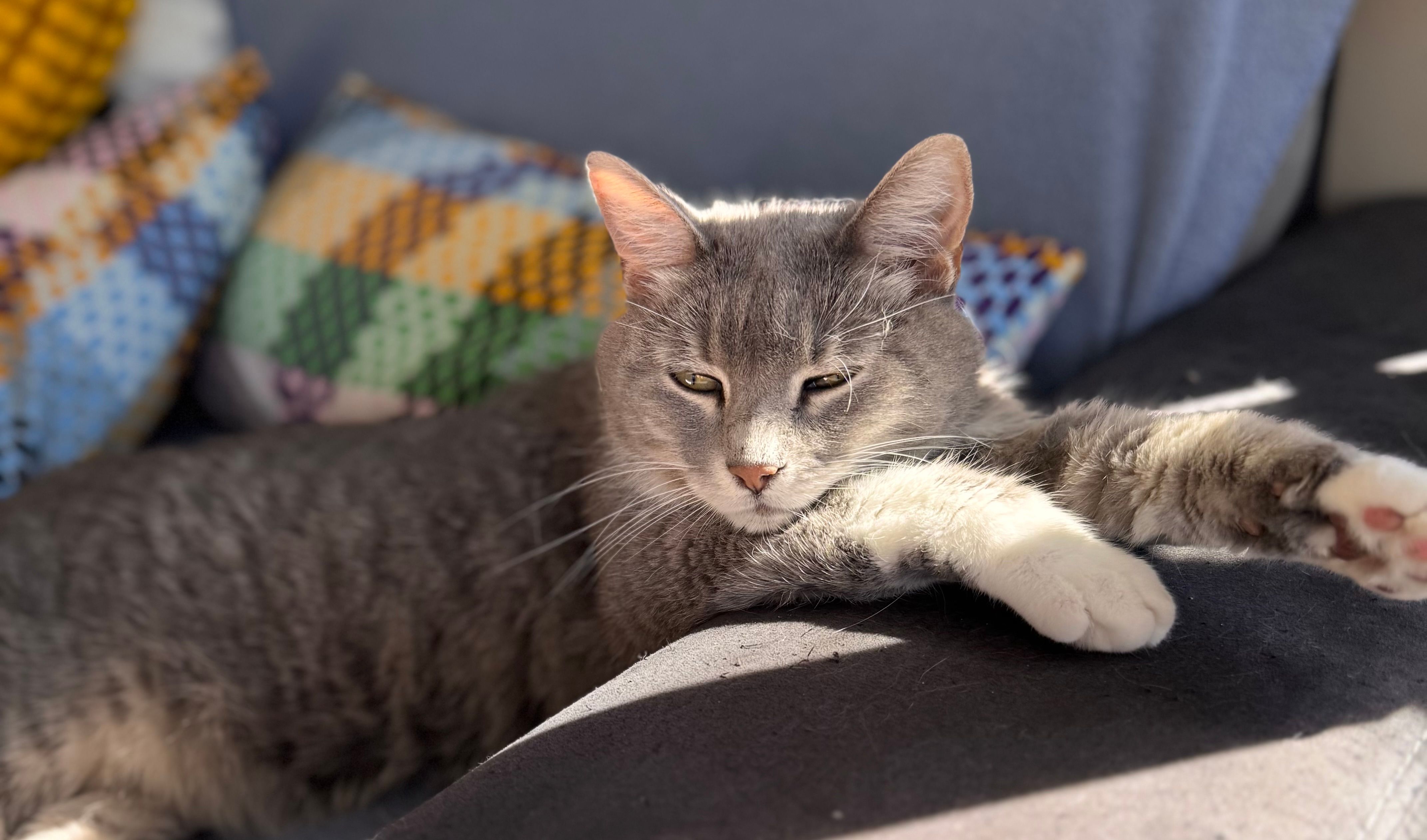
Image Credit: Pexels
The changing seasons bring shifts in light, temperature, and the rhythm of our daily lives. These transitions affect everyone in our household, including our feline companions. Just as we swap our wardrobes and adjust our routines, our cats’ needs for comfort, safety, and wellness also evolve throughout the year. Understanding how to keep your pet healthy during seasonal transitions is a fundamental part of responsible and loving cat ownership. It’s also important to remember that their needs change over time, with age bringing its own considerations for diet, activity, comfort, and general care. Anticipating their needs helps you ensure your furry friend stays happy and healthy, no matter what the weather is doing outside.
From the sweltering heat of summer to the crisp chill of winter, each season presents unique challenges and opportunities for cat care. Paying close attention to their behaviour, environment, and diet will help you navigate these changes smoothly, strengthening the bond you share.
Summer Risks for Felines
When the sun is shining and the days are long, it’s easy to assume our cats are enjoying the warmth as much as we are. But summer brings specific risks that owners need to manage proactively. Cats are masters at hiding discomfort, so it’s vital to be vigilant. Heatstroke is a danger, especially for long-haired breeds, elderly cats, or those with underlying health conditions. Signs can include excessive panting, drooling, lethargy, and stumbling.
To keep your cat safe and cool, make sure they always have access to fresh, cool water in multiple spots around the house. You can even add a few ice cubes to their water bowl on particularly hot days. Create cool, shaded places for them to rest, and consider using cooling mats. Never leave a cat in a conservatory, greenhouse, or car, as temperatures can soar to dangerous levels in minutes.
Summer also marks peak season for parasites like fleas and ticks. Even indoor cats can be at risk if pests are brought in on shoes or clothing. Regular, vet-approved preventative treatments are essential. Finally, be mindful of sunburn. Cats with white or light-coloured fur, especially on their ears and nose, are susceptible to sun damage, which can lead to skin cancer. Keeping them indoors during the brightest parts of the day is the safest option.
Monitoring Appetite in Changing Weather
A cat’s appetite can be a sensitive indicator of its overall health, and it’s common to notice slight changes with the weather. During intense summer heat, many cats naturally eat less. They’re less active and conserve energy, so they might eat smaller portions or seem less interested in food. This is often normal, as long as they’re still drinking plenty of water and behaving as usual.
Conversely, as the weather turns colder in autumn and winter, you might notice your cat’s appetite increase. Their body works harder to maintain its core temperature, which requires more energy and, therefore, more calories. They may seem hungrier and more eager for mealtimes.
While these minor seasonal shifts aren’t usually a cause for concern, a significant change in eating habits should never be ignored. It’s important to understand what to do when your cat stops eating, including what may cause a loss of appetite and when it warrants veterinary attention. Prolonged refusal to eat can put cats at risk of developing a serious liver condition called hepatic lipidosis. If your cat’s appetite drops suddenly or they stop eating completely, regardless of the season, seek veterinary advice without delay.
Winter Wellness Tips
As the days grow shorter and a chill settles in the air, our cats’ lifestyles tend to shift towards indoor comforts. For cats that venture outside, winter poses direct risks. They can suffer from frostbite on their paws and ears, or become disoriented in heavy snow. It’s also a time when toxic substances like antifreeze, which has a sweet taste that appeals to animals, may be spilled on driveways. Keeping your cat indoors, especially during extreme cold snaps, is the safest course of action.
For indoor cats, the main winter challenges are boredom and a tendency to gain weight due to less activity. Central heating can also create very dry air, which may lead to flaky skin and a dull coat. To combat this, make sure your cat stays active with plenty of interactive playtime. Puzzle feeders can make mealtimes more engaging and prevent them from eating too quickly. You can also improve indoor air quality with a humidifier, which benefits both feline and human residents. For a more detailed guide, creating a winter wellness routine for your cat can help you cover all the bases, from diet to enrichment.
Spring Allergies and Cats
Spring is a time of renewal, but for some cats, the blooming flowers and rising pollen counts can trigger uncomfortable allergic reactions. Just like humans, cats can be sensitive to environmental allergens, and spring often brings a flare-up of symptoms. The most common signs of cat allergies aren’t respiratory but dermatological.
You might notice your cat scratching or grooming itself excessively, sometimes to the point of creating bald patches or sore spots on its skin. This condition is known as atopic dermatitis. Other symptoms can include sneezing, coughing, wheezing, or watery eyes, though these are less common than skin issues. If you suspect your cat is suffering from seasonal allergies, there are a few steps you can take at home to provide relief.
Gently wiping your cat’s fur with a damp cloth after they’ve been outside can help remove pollen and other irritants from their coat. Using an air purifier indoors can also reduce airborne allergens. However, if symptoms persist or seem to cause significant distress, a trip to the vet is in order. A vet can properly diagnose the cause of the irritation and may recommend treatments such as antihistamines, special shampoos, or dietary changes to help manage their symptoms effectively.
Preparing for Holiday Stress
The festive season and various holidays throughout the year often mean big changes to a cat’s predictable and carefully controlled environment. Visitors, loud noises, unfamiliar decorations, and a disruption to routine can all be significant sources of stress for our feline friends. Cats are creatures of habit, and events like Bonfire Night with its sudden bangs or a bustling Christmas gathering can be overwhelming.
A stressed cat may hide, become more vocal, lose its appetite, or start over-grooming. To help a stressed cat, preparation is key. Before guests arrive or fireworks begin, create a designated ‘safe room’ for your pet. This should be a quiet space away from the main activity, equipped with their favourite bed, food, water, and litter tray. Let your guests know that this room is off-limits.
Pheromone diffusers can also be very effective at creating a sense of calm. These release synthetic versions of the facial pheromones cats use to mark their territory as safe and secure. During noisy events like firework displays, play some gentle classical music or turn on the television to help mask the outside sounds. Finally, be mindful of seasonal hazards like toxic plants (lilies, poinsettias), dangling decorations, and rich foods that can be harmful if ingested.
Taking these thoughtful steps helps you help your cat feel secure and relaxed, allowing everyone in the family, furry or not, to enjoy the festivities.
Being attuned to the subtle ways the seasons affect your cat is one of the most rewarding aspects of pet ownership. Anticipating their needs and adjusting their care accordingly helps you ensure they remain comfortable, safe, and content all year round.