
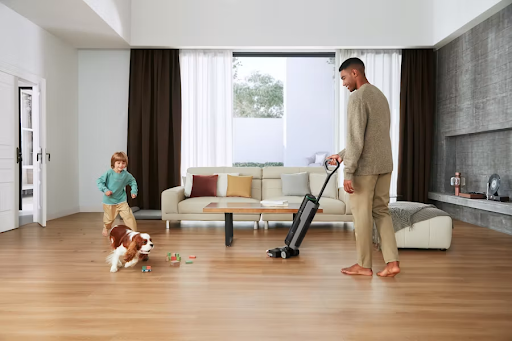
Image Credit: Unsplash
A home filled with things we no longer need or love can quickly feel less like a sanctuary and more like a storage unit. Over time, possessions pile up, surfaces disappear under forgotten objects, and cupboards become too full to close. Decluttering is a powerful way to reclaim your space, bringing not just physical order but mental clarity too. It’s about consciously deciding what you want in your life and letting go of the rest.
Why Decluttering Boosts Wellbeing
Many of us don’t realise how strong the link is between our physical surroundings and our mental state. A cluttered home can easily make us feel stressed, anxious, and overwhelmed. When your space is chaotic, your mind often feels the same way. Research shows that the mental health benefits of decluttering can lead to a better mood, improved focus, and even better sleep. Clearing out unnecessary items reduces the visual noise competing for your brain’s attention, which helps create a greater sense of calm and control.
Sorting and organising is also a way of looking after your environment and, by extension, yourself. Deciding what to keep and what to discard lets you define your space on your own terms. You end up surrounded only by things that are useful or bring you joy.
Creating a Decluttering Plan
The idea of decluttering an entire house can feel huge, which is why a plan is essential. Instead of seeing it as one enormous task, break it down into smaller, manageable chunks. You could decide to tackle one small area each day, like a single drawer or shelf, for just 15 minutes. This approach builds momentum without feeling overwhelming.
A popular and effective strategy is the four-box method. As you go through your items, sort them into four distinct categories:
- Keep: Items you love, use regularly, or have sentimental value.
- Donate/Sell: Things that are in good condition but you no longer need.
- Bin: Items that are broken, expired, or no longer usable.
- Relocate: Things that belong in another room.
Having a clear system stops you from just moving piles around. It forces you to make a decision for every single item, which is key to making real progress.
Efficiently Removing Unwanted Items
Once you’ve sorted your belongings, the next step is to get the unwanted items out of your home as quickly as possible. Leaving bags for donation or rubbish sitting in the hallway for weeks will only add to the clutter and undo your hard work. For items you plan to sell, list them online promptly. Take donation bags to your local charity shop at the earliest opportunity.
For bigger clear-outs, like emptying a garage, clearing a house after a renovation, or simply dealing with a lot of accumulated rubbish, you might need more help. Junk Taxi handles the removal and disposal for you, saving you time and effort. This ensures the final step of your decluttering project is completed without fuss.
Tackling Each Room Methodically
When you’re ready to dive in, approaching your home room by room helps you stay focused. Start with the area that causes you the most stress, as clearing it will provide the biggest sense of relief and motivation.
- The Bedroom: Your wardrobe is often the biggest culprit. A good rule is to let go of any clothes you haven’t worn in the past year. Be honest with yourself about what fits and what you actually feel good wearing.
- The Kitchen: Go through your pantry and fridge, discarding any out-of-date food. Look at your gadgets and utensils. Do you really need three different types of corkscrew or a spiraliser you used once?
- The Living Room: Assess your collection of books, magazines, and DVDs. Keep your favourites and donate the rest. Tidy cables and find smart storage solutions for remote controls and other small items.
- The Bathroom: This space can quickly become cluttered with half-empty bottles and expired products. Be ruthless and bin anything that’s past its use-by date or that you no longer use.
Maintaining Your Clear Space
After all your hard work, the final challenge is to keep clutter from creeping back in. This means building a few simple habits. The “one in, one out” rule is a great place to start: for every new item you bring into your home, an old one must leave. This works especially well for clothes, books, and decorative objects.
Try to do a quick 10-minute tidy-up each evening, putting things back where they belong. This stops small messes from turning into overwhelming piles. Most importantly, become a more mindful consumer. Before buying something new, ask yourself if you truly need it, where it will live in your home, and whether it will add value to your life.
Shifting your mindset from collecting things to curating them is important for self-care and helps you enjoy the lasting benefits of a beautiful, functional, and serene home. The goal isn’t just to have less stuff, but to make more room for what truly matters.
