
What Is Art Journaling? A Complete Beginner’s Guide (With Supplies List & FAQ.)
Art journaling is more than just putting paint on paper — it’s a creative practice that blends writing, drawing, collage, and personal reflection into one powerful, expressive outlet. If you’ve ever wanted a space where there are no rules, no grades, and no pressure to be “good at art,” art journaling might be exactly what you’re looking for.
In this complete guide, you’ll learn what art journaling is, why it’s so popular, how to start, what supplies you actually need, and answers to the most common beginner questions.
Let’s dive in.
What Is Art Journaling?
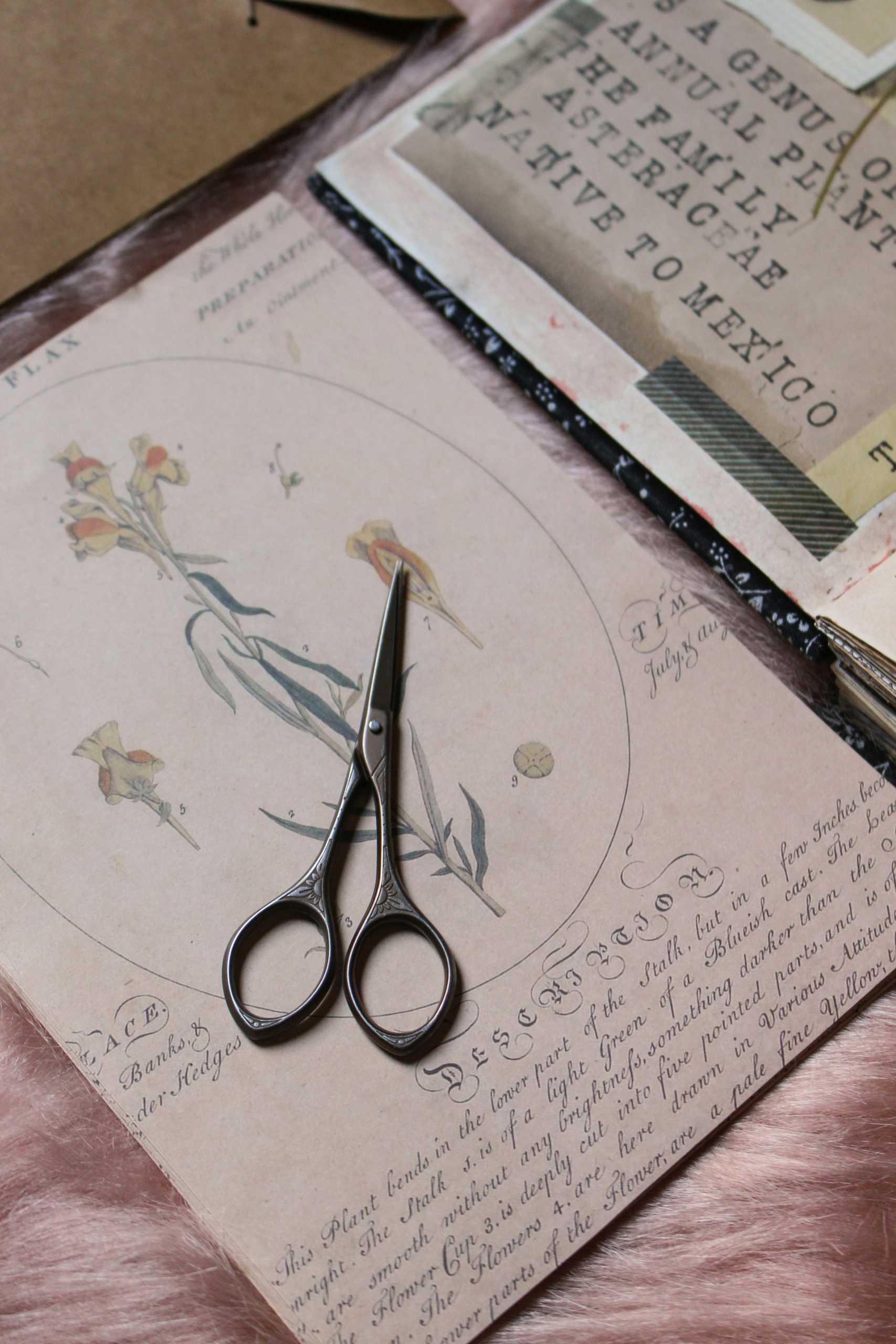
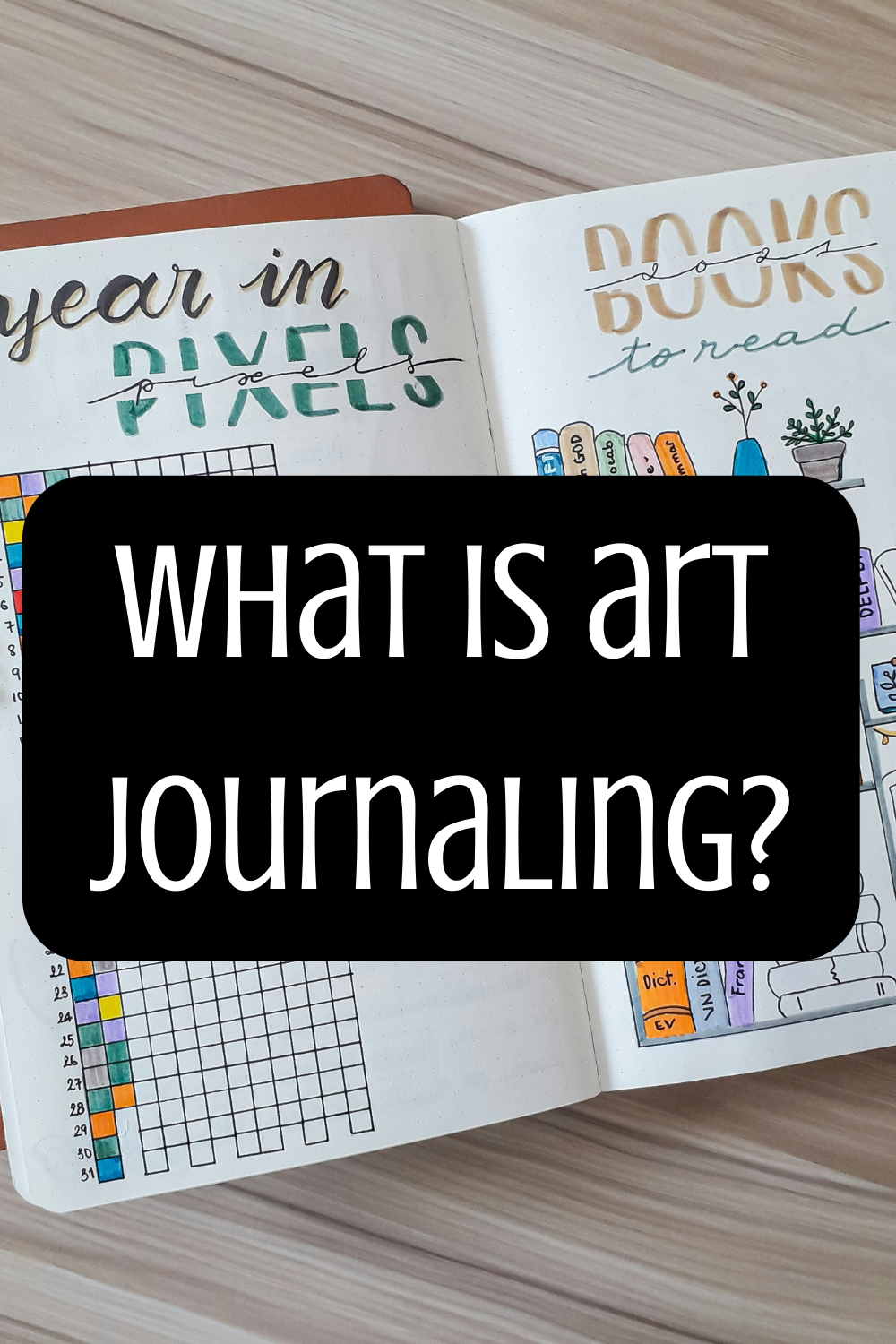
Art journaling is a creative practice that combines visual art and written expression in a journal format. Think of it as a diary that meets a sketchbook — with total freedom.
An art journal can include:
-
Paint (acrylic, watercolor, gouache)
-
Sketching and doodling
-
Hand lettering
-
Collage
-
Stickers and ephemera
-
Personal reflections
-
Poetry or quotes
-
Stamps and stencils
-
Mixed media experimentation
Unlike traditional journaling, which focuses mainly on writing, art journaling encourages visual storytelling. And unlike a sketchbook, which may focus on technique or finished pieces, an art journal is about process, emotion, and exploration.
There are no rules. No right or wrong way. Just expression.
Why Is Art Journaling So Popular?
Art journaling has exploded in popularity because it meets several needs at once:
1. Stress Relief
Creating art activates parts of the brain associated with relaxation and emotional regulation. Even simple doodling can lower stress levels.
2. Emotional Processing
Art journaling provides a safe space to explore thoughts and feelings visually. Sometimes it’s easier to paint a feeling than to explain it.
3. Creative Freedom
There are no expectations. Your journal doesn’t have to be Instagram-worthy. It doesn’t even have to make sense to anyone else.
4. Personal Growth
Many people use art journals to track goals, reflect on life changes, or document their personal journey.
5. Accessibility
You don’t need to be an artist. Truly. Art journaling is about expression, not perfection.
What Does an Art Journal Look Like?
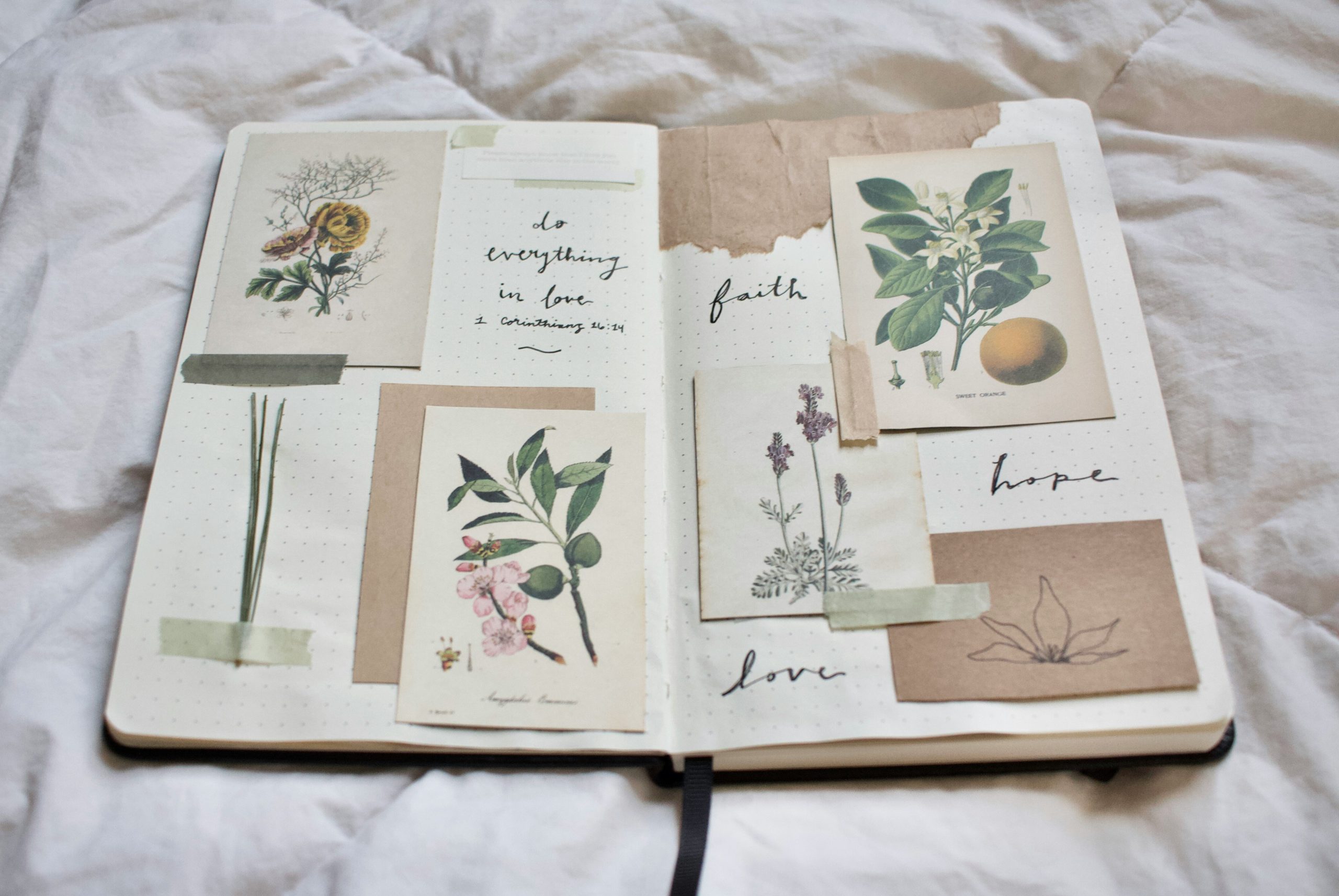
An art journal can look like almost anything:
-
A messy explosion of paint and collage
-
Minimalist pages with thoughtful typography
-
Dark, moody spreads exploring emotions
-
Bright, playful doodles
-
Structured themed prompts
-
Completely abstract color explorations
Some people create daily pages. Others only journal when they feel inspired. Some journals are deeply personal and private. Others are shared online.
There is no “correct” aesthetic.
How to Start Art Journaling (Step-by-Step)
Starting is the hardest part — so let’s make it simple.
Step 1: Choose a Journal
Pick a notebook with thick paper (mixed media paper works best). Don’t overthink it. You can upgrade later.
Step 2: Gather Basic Supplies
You only need a few items to begin (see full list below).
Step 3: Create a Background
Add color. Paint. Glue down scrapbook paper. Scribble with crayons. The goal is to break the blank page fear.
Step 4: Add Words or Imagery
Write how you feel. Add a quote. Draw something symbolic. Use stickers. Layer until it feels complete.
Step 5: Let Go of Perfection
Art journaling is not about making masterpieces. It’s about showing up honestly.
Art Journaling Ideas for Beginners
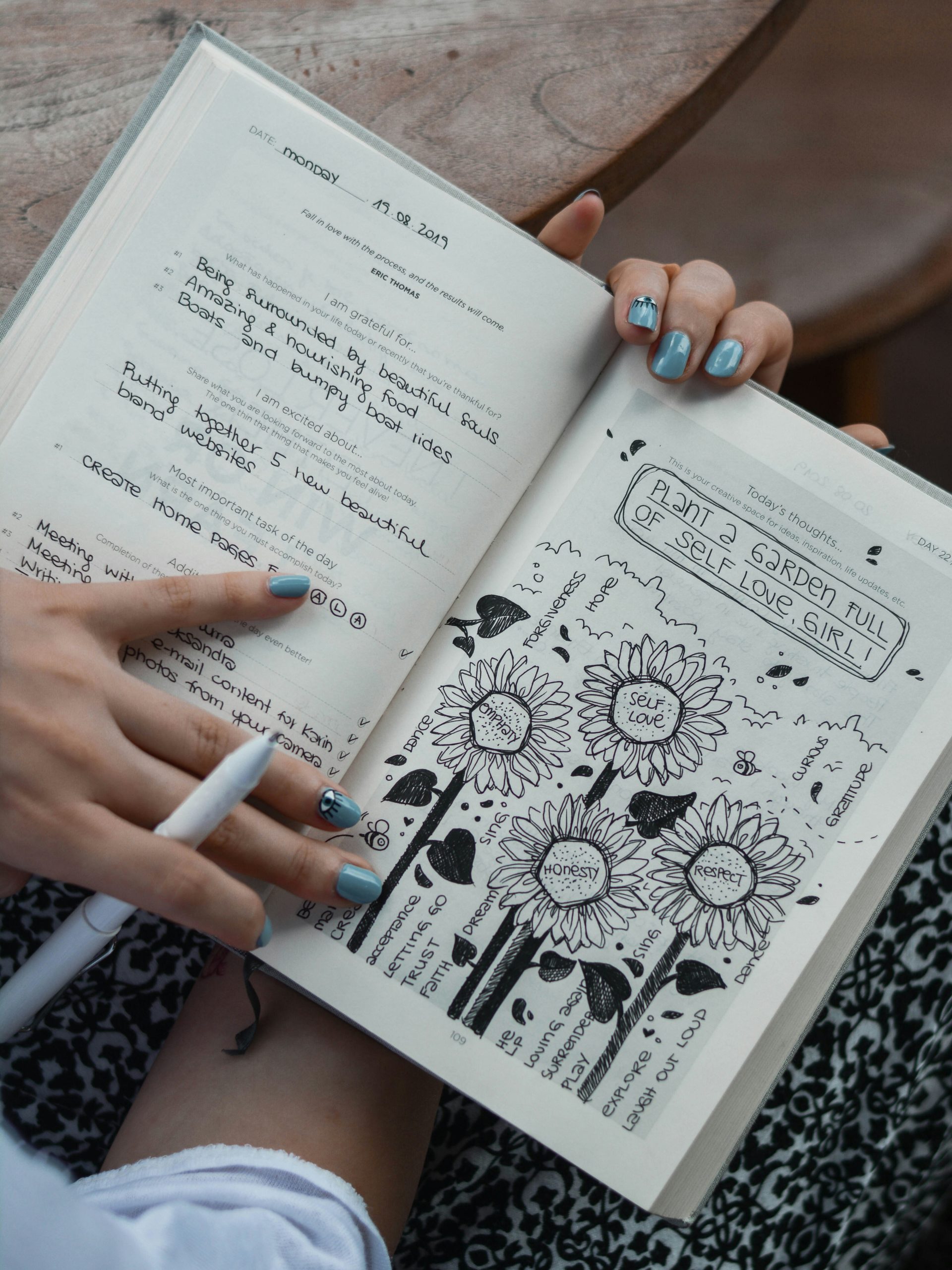
If you’re staring at a blank page, try one of these prompts:
-
“Right now, I feel…”
-
Create a page using only one color.
-
Make a collage of your goals.
-
Paint your mood as an abstract background.
-
Write a letter to your future self.
-
Illustrate a favorite quote.
-
Create a gratitude spread.
Prompts remove pressure and give you direction.
Essential Art Journaling Supplies (Beginner-Friendly List)
You do not need expensive tools to start. Here’s a practical, beginner supply list.
Must-Have Basics
-
Mixed media journal or sketchbook (160gsm+ paper preferred)
-
Acrylic paint (basic color set)
-
Watercolor set
-
Paintbrushes (variety pack)
-
Black waterproof pen (for outlines and writing)
-
Glue stick or matte medium
-
Scissors
-
Pencil and eraser
Nice-to-Have Extras
-
Washi tape
-
Stencils
-
Rubber stamps
-
Ink pads
-
Collage paper or old magazines
-
Stickers
-
Gel pens
-
Oil pastels
-
Markers (water-based or alcohol-based)
-
Texture tools (old credit card, sponge, palette knife)
Optional Upgrades
-
Gesso (for priming pages)
-
Heat tool (for drying paint)
-
Acrylic ink
-
Metallic paints
-
Embossing powders
Start simple. You can build your collection over time.
Types of Art Journaling Styles
Art journaling is flexible, and people tend to gravitate toward different styles:
1. Mixed Media Art Journaling
Layering multiple materials like paint, collage, ink, and stamps.
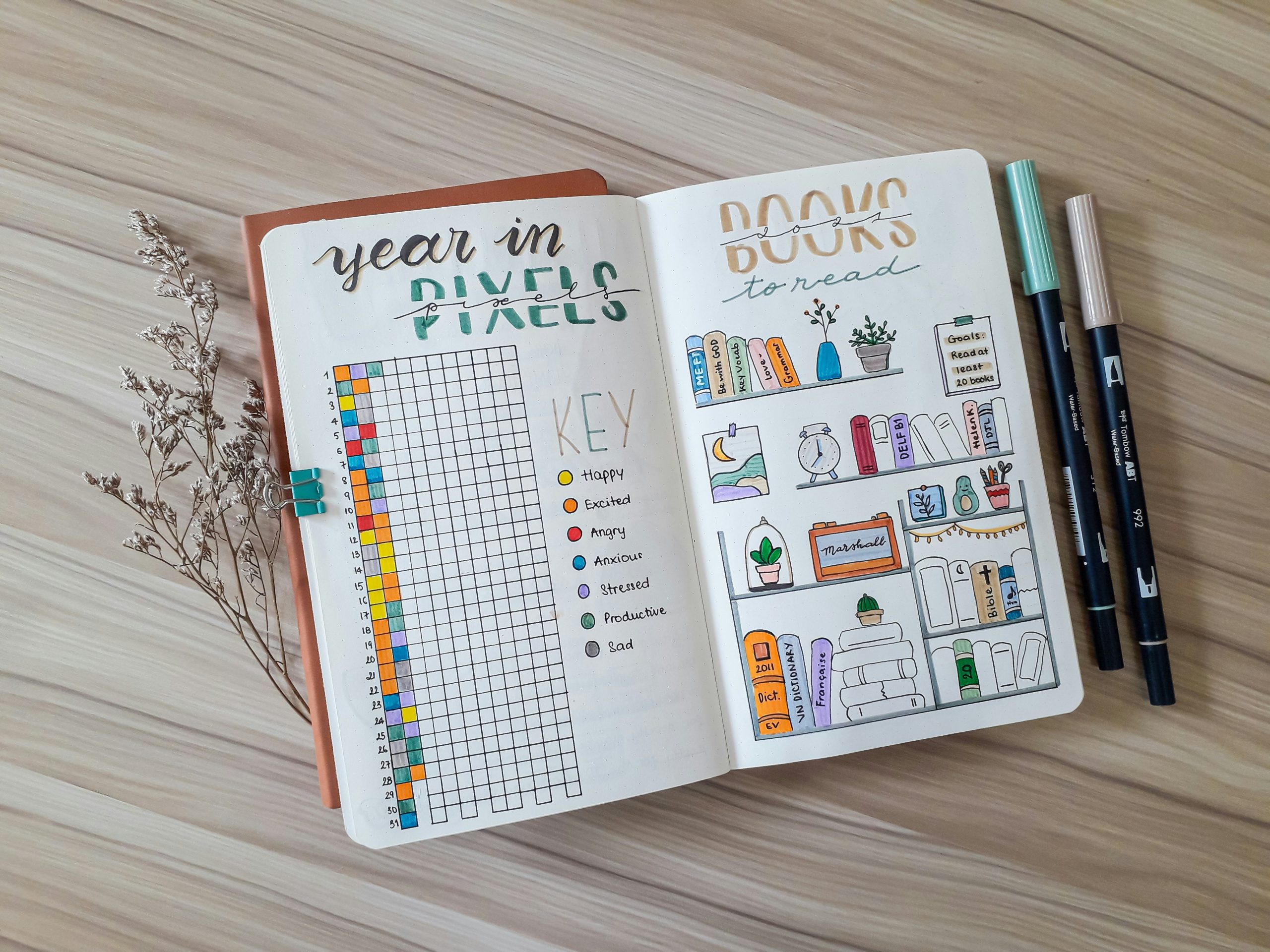
2. Bullet-Style Art Journaling
Combining planning and creativity in decorative spreads.
3. Emotional or Therapeutic Journaling
Processing emotions visually and privately.
4. Prompt-Based Journaling
Following structured prompts or challenges.
5. Faith or Spiritual Art Journaling
Reflecting on scripture, spiritual growth, or personal beliefs.
You can combine styles or shift between them.
Benefits of Art Journaling
Let’s talk about what you actually gain from this practice.
Boosts Creativity
The more you experiment, the more confident you become creatively.
Improves Mental Clarity
Putting thoughts onto paper reduces mental clutter.
Builds Confidence
When you let go of perfectionism, you build self-trust.
Encourages Mindfulness
Focusing on color, texture, and movement keeps you present.
Documents Your Growth
Flipping back through old pages is powerful. You can see emotional and creative evolution.
Common Mistakes Beginners Make
Avoid these traps:
Waiting to Feel “Inspired”
Inspiration comes from action, not the other way around.
Buying Too Many Supplies
More supplies don’t equal better art.
Comparing Your Work
Art journaling is personal. Comparison kills creativity.
Trying to Make Every Page Perfect
Some pages will be messy. That’s part of the magic.
How Often Should You Art Journal?
There’s no rule.
Some people journal daily as part of a self-care routine. Others create weekly spreads. Some journal only during stressful seasons.
The best schedule is the one you’ll actually keep.
Even 10–15 minutes a few times a week can be impactful.
Art Journaling vs. Scrapbooking vs. Traditional Journaling
Here’s how they differ:
| Art Journaling | Scrapbooking | Traditional Journaling |
|---|---|---|
| Expressive and emotional | Memory-focused | Writing-focused |
| Mixed media encouraged | Structured layouts | Mostly text |
| Process-driven | Keepsake-driven | Reflection-driven |
| No rules | Often thematic | Minimal visuals |
Art journaling sits at the intersection of art and introspection.
Can You Make Money With Art Journaling?
Some people turn art journaling into:
-
Online workshops
-
YouTube channels
-
Etsy sticker shops
-
Print-on-demand art prints
-
Patreon communities
However, many practitioners prefer to keep it personal and pressure-free.
If you want it to stay therapeutic, keep it offline.
Frequently Asked Questions (FAQ)
What is the purpose of art journaling?
The purpose of art journaling is self-expression, creativity, and reflection. It can reduce stress, process emotions, and help you explore ideas visually.
Do you have to be good at drawing to start art journaling?
Absolutely not. Art journaling is about expression, not technical skill. Stick figures, abstract shapes, collage — it all counts.
What kind of journal is best for art journaling?
Look for a mixed media journal with thick paper (at least 160gsm). Spiral-bound or stitched both work — it’s personal preference.
What is the difference between an art journal and a sketchbook?
A sketchbook is typically used for drawing practice or finished artwork. An art journal focuses more on emotional exploration, layered media, and personal storytelling.
How do you start your first art journal page?
Start messy. Add paint or collage first to remove blank page pressure. Then layer words or imagery on top.
Is art journaling therapeutic?
Many people find it calming and emotionally supportive. While it is not a substitute for therapy, it can complement mental wellness practices.
How long does an art journal page take?
Anywhere from 10 minutes to several hours. There’s no required timeframe.
What if I mess up a page?
Paint over it. Glue something on top. Turn it into a background. “Mistakes” often lead to the most interesting layers.
Final Thoughts: What is art journaling?
Art journaling is one of the rare creative hobbies where:
-
You don’t need permission.
-
You don’t need talent.
-
You don’t need expensive tools.
-
You don’t need an audience.
You just need curiosity.
It’s messy. It’s freeing. It’s deeply personal. And it might surprise you how powerful it becomes over time.
If you’ve been waiting for a sign to begin — this is it.
Grab a notebook. Add some color. See what shows up.
Your art journal doesn’t have to be perfect.
It just has to be yours.
Find journal templates here
